Shashi Tharoor labels India's new Parliament edifice a sterile conference hall
The Congress MP argues the freshly inaugurated building lacks the intimacy and cultural resonance of the historic structure it replaces.
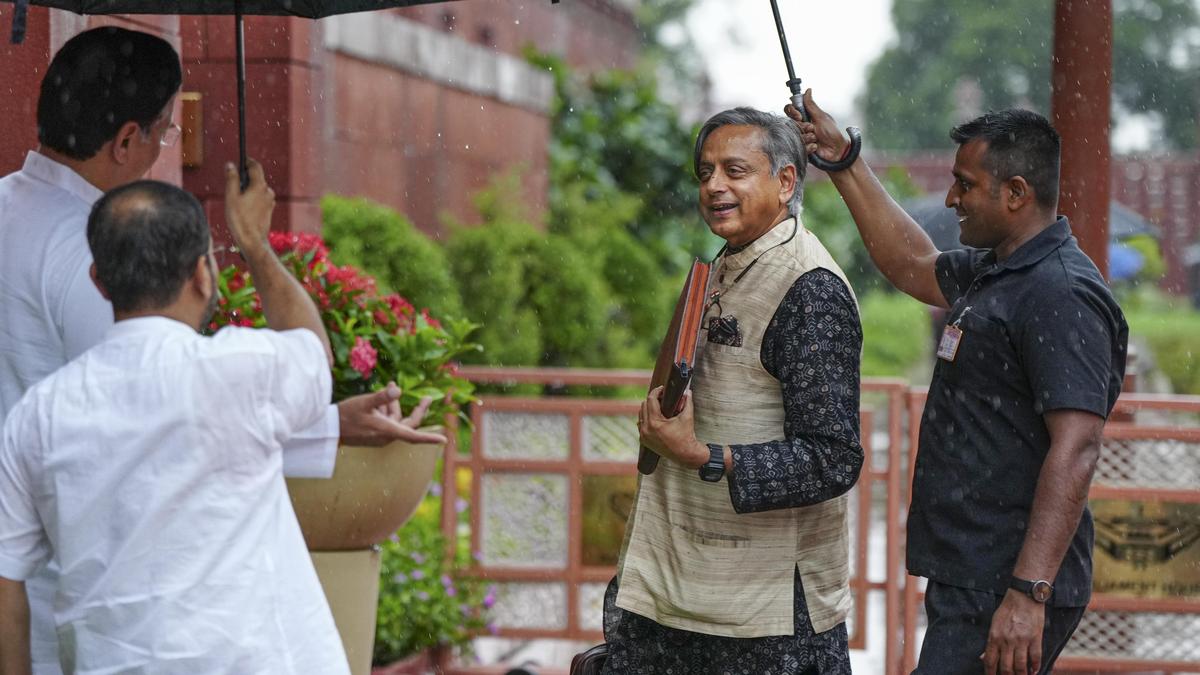
India’s newly inaugurated Parliament complex has drawn sharp criticism from opposition leader Shashi Tharoor, who described the modern structure as a “soulless conference centre” that feels detached from the nation’s democratic traditions. Speaking shortly after the inauguration ceremony, Tharoor said the design’s scale and minimalism create a sense of distance, a metaphor he believes mirrors the growing polarization in Indian politics.
The new building, part of a larger redevelopment project for the historic Parliament precinct in New Delhi, replaces the colonial‑era structure that housed the Lok Sabha for decades. Its glass‑clad façade, expansive atrium and high‑tech facilities were promoted by the government as symbols of a forward‑looking democracy. However, Tharoor contended that the emphasis on sleek, universal aesthetics comes at the cost of “intimacy” and a connection to India’s cultural heritage.
In his remarks, the senior Congress MP highlighted that the old Parliament’s modest chambers fostered direct interaction among legislators and allowed citizens to feel a tangible link to the law‑making process. By contrast, he argued, the new venue’s cavernous spaces and “conference‑centre” vibe could alienate both lawmakers and the public, reinforcing a sense of separation.
Government officials have defended the project, noting that the upgraded facilities meet contemporary security standards and accommodate a larger number of representatives, including provisions for future expansion. They also point to the building’s sustainability features and its role in consolidating parliamentary functions that were previously scattered across multiple sites.
Tharoor’s comments add to a broader debate over the symbolism of public architecture in India. Critics argue that while modern design can project progress, it must also reflect the country’s diverse identity and historical continuity. As the nation settles into the new chambers, the discourse on how space influences democratic engagement is likely to continue.