Sohail Afridi Takes Lead in Quest to Release Imran Khan
The newly elected Khyber Pakhtunkhwa chief minister is positioning himself as the PTI's national figurehead while campaigning for the former prime minister's freedom.
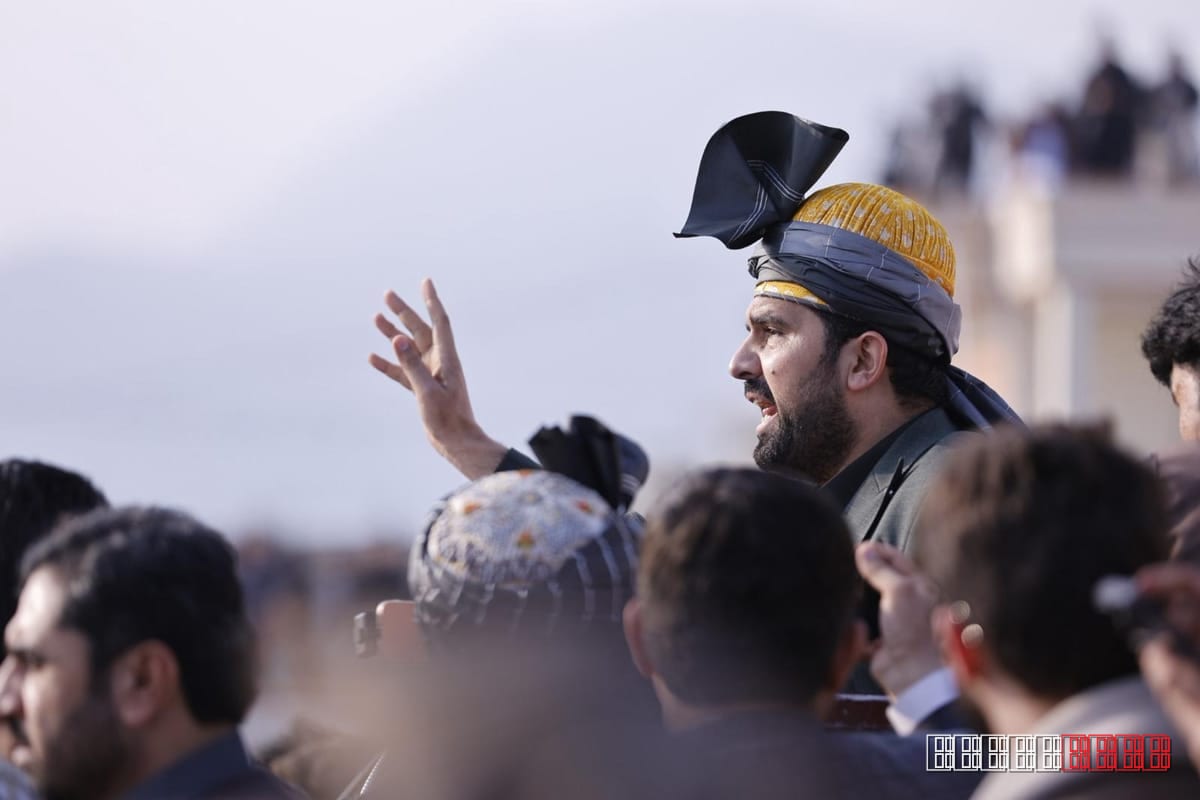
Sohail Afridi, 37, has emerged as the Pakistan Tehreek-e-Insaf’s (PTI) most prominent elected official after winning the chief ministership of Khyber Pakhtunkhwa. While his mandate is provincial, the Al Jazeera report notes that Afridi is already shouldering a broader, national role, signalling his ambition to become the party’s de‑facto leader after Imran Khan’s removal from power.
Imran Khan, the former prime minister, has been incarcerated on multiple corruption and terrorism‑related charges, a situation that has polarized Pakistan’s political landscape. According to Al Jazeera, Khan’s supporters view the trials as politically motivated attempts to silence dissent, while the government maintains the proceedings are lawful and necessary.
Afridi’s ascent comes at a time when PTI’s parliamentary presence has dwindled, and the party is seeking a unifying figure to rally its base. In interviews, Afridi has pledged to use his provincial platform to advocate for Khan’s release, framing the issue as a matter of democratic rights and rule of law. He has also hinted at coordinating with PTI’s remaining lawmakers to press the federal government for a pardon or a judicial review.
The broader context of Pakistan’s politics is essential to understand the stakes. Since Khan’s ouster in 2022, the country has seen a series of legal battles, mass protests, and a fragile coalition government. The judiciary’s independence has been questioned, and the military’s role in political affairs remains a point of contention. Historically, provincial leaders have sometimes leveraged regional influence to shape national policy, a strategy Afridi appears poised to replicate.
If Afridi succeeds in galvanising PTI’s fragmented ranks and securing a legal pathway for Khan, it could reshape the opposition’s capacity to challenge the current administration. Conversely, failure may further marginalise PTI and deepen political fragmentation ahead of the next general election. Observers will be watching closely how Afridi balances provincial governance with his emerging national agenda.
This report is based on original reporting by Al Jazeera. Read the original source →