SpaceX Starship reaches orbit on maiden flight before fiery descent
The next‑generation launch system completed its first orbital run despite an engine shutdown, ending with a controlled breakup over the Pacific.
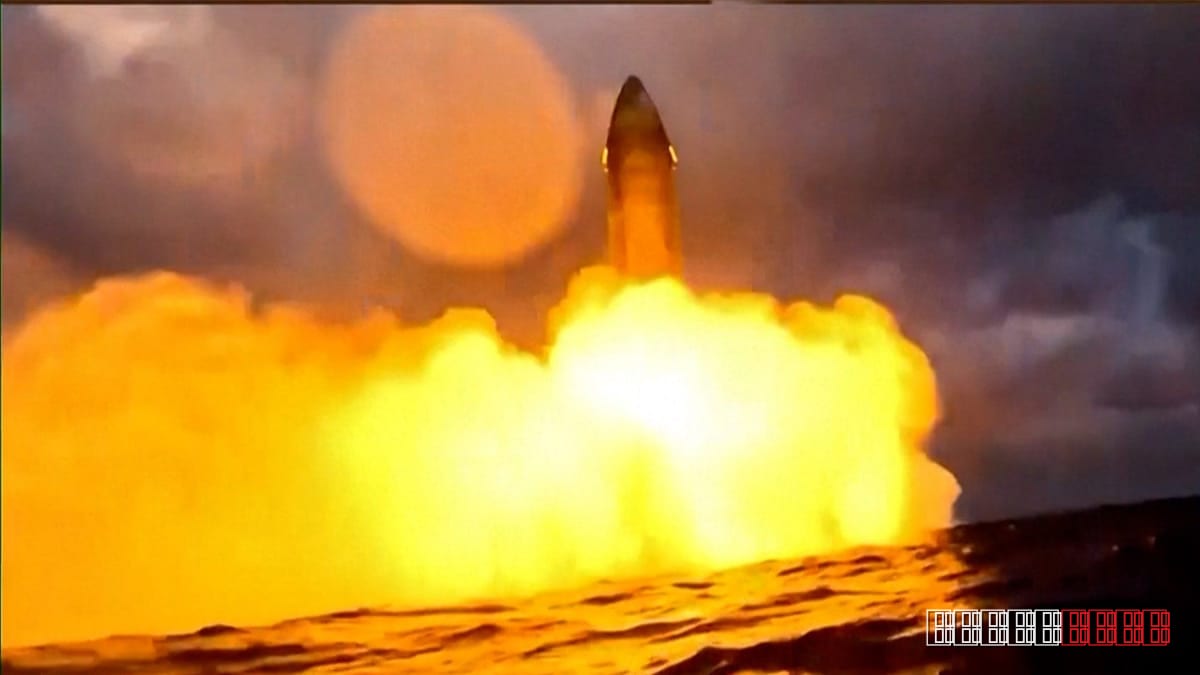
SpaceX’s Starship, the company’s most ambitious launch vehicle, achieved a historic milestone on Thursday when it entered orbit for the first time, according to Al Jazeera. The spacecraft lifted off from the Boca Chica launch site in Texas, climbed to the edge of space and, after a brief engine shutdown, completed a single orbit before re‑entering the atmosphere where it burned up over the Pacific Ocean.
Al Jazeera reported that the vehicle’s Super Heavy booster performed as expected during ascent, but a single Raptor engine on the Starship upper stage shut down prematurely. Engineers elected to continue the flight rather than abort, allowing the vehicle to reach a low‑Earth orbit of roughly 200 kilometres before the onboard autonomous flight safety system commanded a controlled breakup during re‑entry.
The mission, designated SN‑X, was the culmination of a series of high‑altitude test flights that have progressively pushed the vehicle’s capabilities. Earlier attempts in 2023 and 2024 saw Starship reach sub‑orbital altitudes before exploding on descent, prompting criticism and regulatory scrutiny. This successful orbital insertion, even with the engine anomaly, marks a significant step toward SpaceX’s long‑term objectives of lunar landings, Mars cargo missions and commercial satellite deployments.
Starship’s development has been closely watched by both the aerospace industry and policymakers. The vehicle is designed to be fully reusable, with the goal of reducing launch costs to a fraction of current prices. Its massive payload capacity—up to 100 tonnes to low‑Earth orbit—could transform satellite constellations, deep‑space exploration, and even point‑to‑point Earth transport. The Federal Aviation Administration (FAA) granted SpaceX a launch license for this flight after a rigorous review of safety measures, reflecting the agency’s confidence in the company’s risk mitigation strategies.
While the fiery breakup was anticipated as a safety measure, the successful orbit demonstrates that the core architecture can survive the stresses of launch and spaceflight. SpaceX will likely analyze telemetry from the engine shutdown to refine the Raptor propulsion system before attempting a repeat orbital flight. Industry analysts expect the next test to aim for a longer orbital duration and a soft landing, steps that are essential before Starship can be certified for crewed missions.
The event underscores the accelerating pace of private spaceflight development and its growing impact on global launch markets. Nations and commercial players are watching closely, as Starship’s eventual operational status could reshape access to space for scientific, commercial, and defense purposes.
This report is based on original reporting by Al Jazeera. Read the original source →