Supreme Court to Re‑examine Marital Rape Exception in Indian Penal Code
India's top court will hear a petition seeking to scrap the IPC provision that shields husbands from rape charges.
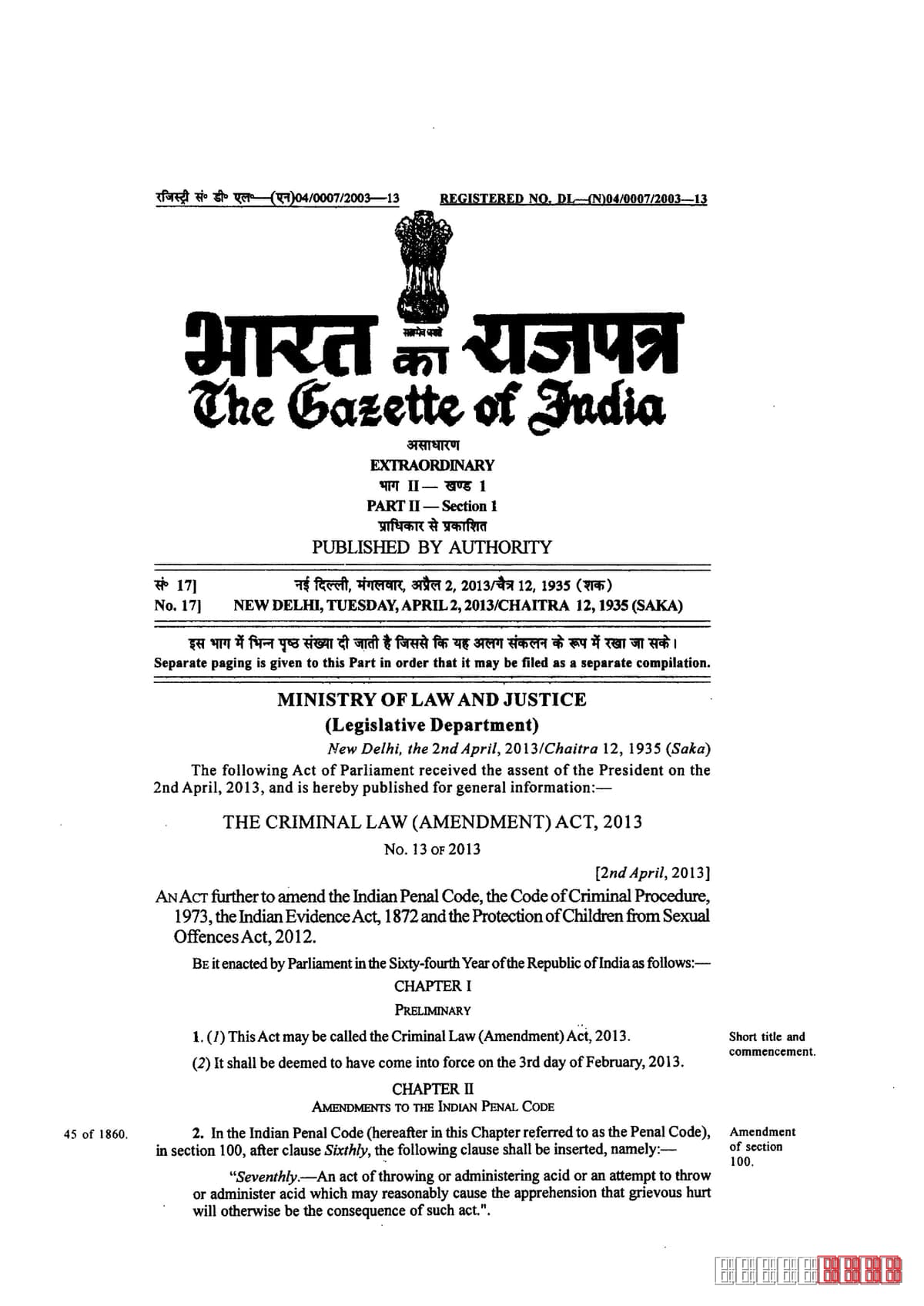
The Supreme Court of India has agreed to hear a petition that challenges the long‑standing marital rape exemption in the Indian Penal Code (IPC), Times of India reported. The petition, filed by a coalition of women's rights organisations, asks the court to strike down the clause that declares sexual intercourse by a husband with his wife – provided she is above twelve years of age – is not rape.
Legal experts note that the exemption, introduced in the 1860s when the IPC was drafted under British colonial rule, remains the only major gap in India's criminal law on sexual violence. While the IPC criminalises rape in all other contexts, it explicitly excludes marital partners, a provision that has drawn criticism from activists, lawmakers and the judiciary alike.
The Supreme Court's decision to take up the matter follows a series of lower‑court rulings and public protests that have called for the amendment of the law. In 2017, a five‑judge bench upheld the exemption but urged the legislature to consider a review. Since then, several state governments have introduced bills to criminalise marital rape, but none have cleared the parliamentary hurdle. The current petition seeks a definitive judicial pronouncement that could either compel legislative action or directly invalidate the clause.
If the court rules in favour of the petitioners, it would mark a watershed moment for gender‑based legal reform in India. Criminalising marital rape would align the country's statutes with international human‑rights standards and could reshape societal attitudes toward consent within marriage. Conversely, a rejection could reinforce the status quo, leaving the issue to be resolved by Parliament.
The hearing is expected to draw extensive media coverage and public interest, as the debate touches on deeply entrenched cultural norms and the broader fight for women's safety. Observers anticipate that the court may also address related procedural safeguards, such as the evidentiary burden on survivors and the role of medical examinations in marital contexts.
The outcome, whether a landmark ruling or a call for legislative review, will likely influence future policy discussions and could set a precedent for other jurisdictions grappling with similar legal loopholes.
This report is based on original reporting by Times of India. Read the original source →