Survivor of Manchester Arena bombing says trauma lingers for years
A victim of the 2017 attack stresses that the psychological scars of terrorism remain long after the blast.
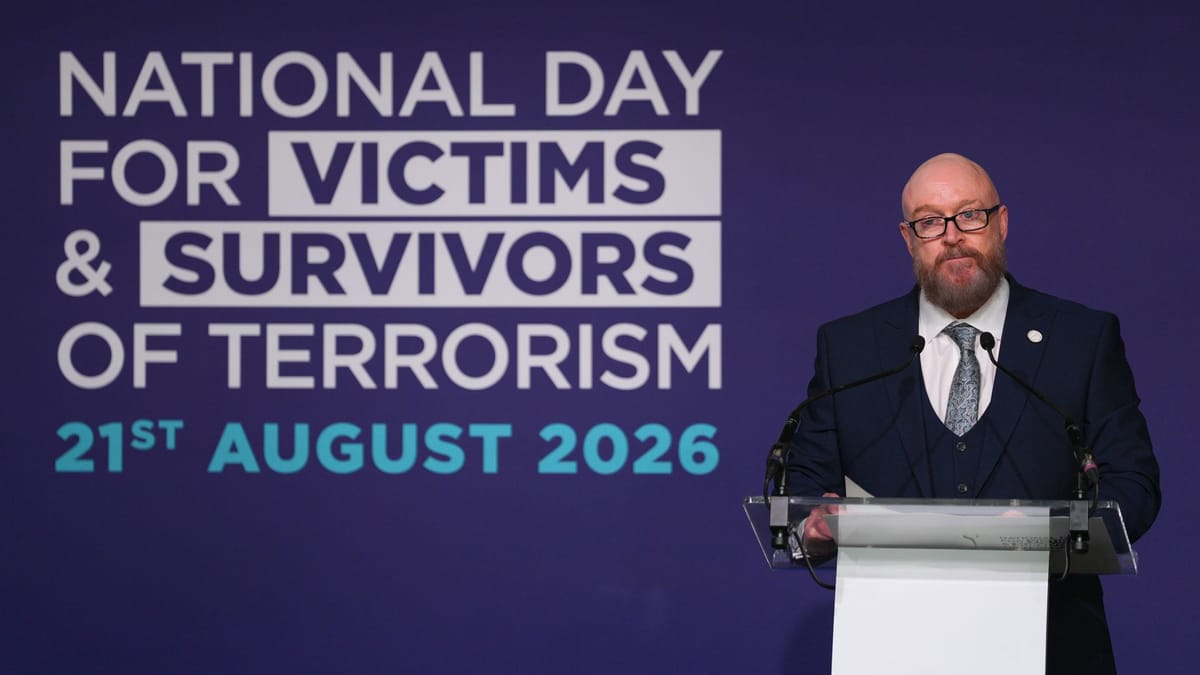
The lingering effects of the 2017 Manchester Arena bombing were highlighted this week by a survivor who emphasized that the trauma of terrorism does not end with the immediate aftermath. The individual, who was present at the venue when a suicide bomber detonated a device, recounted that the emotional and psychological repercussions continue to shape daily life even years later.
The attack, which claimed 22 lives and injured more than 800 people, remains the deadliest incident of its kind on British soil. While emergency services and charities mobilised swiftly in the days that followed, the survivor noted that the support needed extends far beyond the initial response. “The impact of terrorism continues for years,” they said, underscoring the long‑term mental‑health challenges faced by those who lived through the explosion.
Mental‑health professionals have reported a surge in anxiety, depression, and post‑traumatic stress disorder among survivors and witnesses of the Manchester attack. Community groups and the government have introduced counselling programmes and funding streams aimed at helping victims rebuild their lives, yet the survivor argued that sustained investment is essential to address the enduring nature of the wounds.
The statement comes as the nation reflects on the anniversary of the tragedy, prompting renewed discussions about how societies support victims of mass‑casualty events. Advocates stress that remembrance must be coupled with concrete actions—such as accessible therapy, peer‑support networks, and ongoing research into trauma—to ensure that the phrase “the impact continues for years” translates into lasting assistance.
By keeping the conversation alive, survivors hope to prevent the isolation that can accompany long‑term recovery. Their message serves as a reminder that the costs of terrorism extend far beyond the headline numbers, persisting in the lives of individuals and communities for years to come.