Susan Sarandon claims Hollywood blacklist over Palestine activism
The veteran actress says agencies are warning studios not to hire her after recent film projects were pulled.
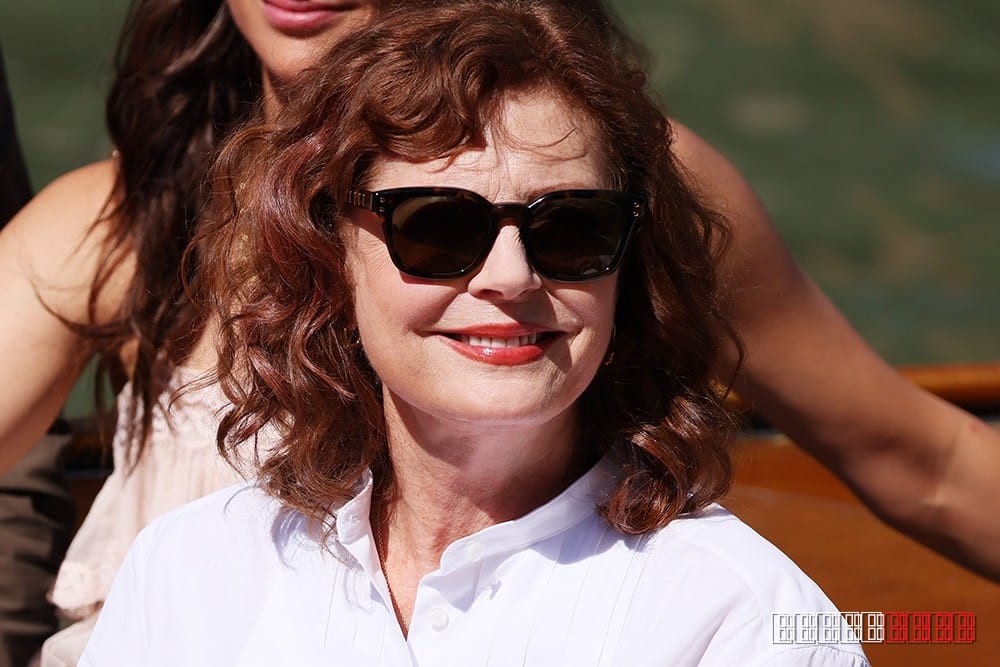
Veteran actress Susan Sarandon told reporters at the Venice Film Festival that she continues to lose film roles because of her outspoken support for Palestine. Sarandon, promoting her new drama The Echo Chamber, said, “I’m still having movies taken away recently,” and added that “there are agencies that are telling people not to hire me.” Variety reported her remarks during the press conference on Sunday.
Sarandon’s comments come amid a broader wave of controversy in the entertainment industry over the Israel‑Gaza war. Since the conflict escalated in late 2023, several high‑profile actors and directors have faced public backlash, social‑media campaigns, and, in some cases, contract terminations for expressing pro‑Palestinian views. Studios have become increasingly cautious, often consulting risk‑assessment teams before attaching talent to projects that could attract political controversy.
The phenomenon is not new to Hollywood. During the McCarthy era, suspected left‑leaning artists were blacklisted, and more recently, the #MeToo movement has shown how public sentiment can swiftly influence hiring decisions. Industry observers note that the current climate blends geopolitical sensitivities with the rise of “cancel culture,” where social media amplification can translate into real‑world financial risk for studios.
The Echo Chamber, Sarandon’s latest film, explores how polarized media environments shape public discourse—a theme that mirrors her own experience. While the movie’s plot centers on a fictional town grappling with misinformation, Sarandon’s off‑screen narrative underscores the tangible impact of political stances on an artist’s career.
Analysts suggest that the fallout for Sarandon could signal a warning to other performers who voice dissent on contentious issues. If agencies indeed advise against hiring her, it may encourage a chilling effect, prompting talent to self‑censor to preserve future opportunities. The situation also raises questions about artistic freedom and the role of corporate gatekeepers in shaping cultural narratives.
This report is based on original reporting by Variety. Read the original source →