Swedish Vote Tightens as Centre‑Left Gains Edge Over Far‑Right
With 95% of ballots counted, the opposition coalition holds a slim lead while the nationalist bloc slips back, according to Al Jazeera.
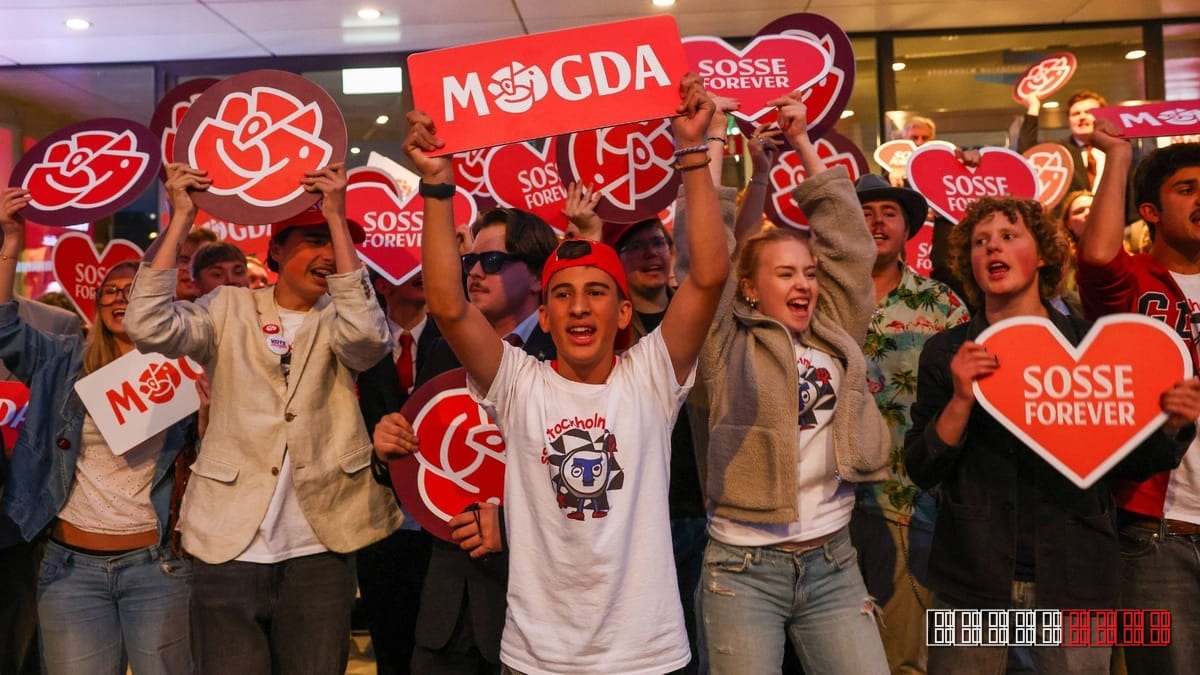
Sweden’s parliamentary election is shaping up as a nail‑biter. After 95% of the votes were tallied, the centre‑left opposition bloc has a narrow advantage, while the far‑right Sweden Democrats have seen their support dip, Al Jazeera reported.
The final outcome remains uncertain, with the remaining votes coming from a handful of remote municipalities where turnout can swing results. Early projections suggest the Social Democrats, together with the Green Party and the Left Party, may secure enough seats to form a government, but coalition negotiations will be required to lock in a majority in the 349‑seat Riksdag.
The shift away from the Sweden Democrats marks a reversal from the 2022 election, when the nationalist party captured a historic 20% of the vote and entered the governing bloc for the first time. Their decline this cycle reflects growing voter concerns over immigration policy, economic inequality, and a resurgence of progressive campaigning on climate and welfare issues.
Sweden’s proportional representation system allocates seats based on party lists in each of the 29 electoral districts, making even small swings in vote share significant. Historically, the country has been governed by centre‑left coalitions, but the rise of the far‑right over the past decade forced traditional parties to reconsider their platforms. Analysts note that the current closeness of the race could influence the balance of power not only domestically but also within the European Union, where Sweden’s stance on climate targets and migration policy carries weight.
If the opposition bloc consolidates its lead, it is likely to prioritize strengthening the welfare state and advancing green energy initiatives, while the Sweden Democrats may push back on EU‑wide reforms. The final vote count is expected later tonight, after which the Speaker of the Riksdag will invite parties to begin coalition talks.
The election’s tight finish underscores a broader European trend of fragmented parliaments and coalition governments, a pattern that often leads to prolonged policy negotiations and sometimes unstable administrations. Voters and observers alike will be watching how Sweden navigates this political crossroads.
This report is based on original reporting by Al Jazeera. Read the original source →