Taiwan's Vice President Hsiao Bi-khim Attends European Democracy Forum in Secret Trip
Her low‑key arrival, disclosed only after landing, highlights the island’s diplomatic tightrope amid mounting pressure from Beijing.
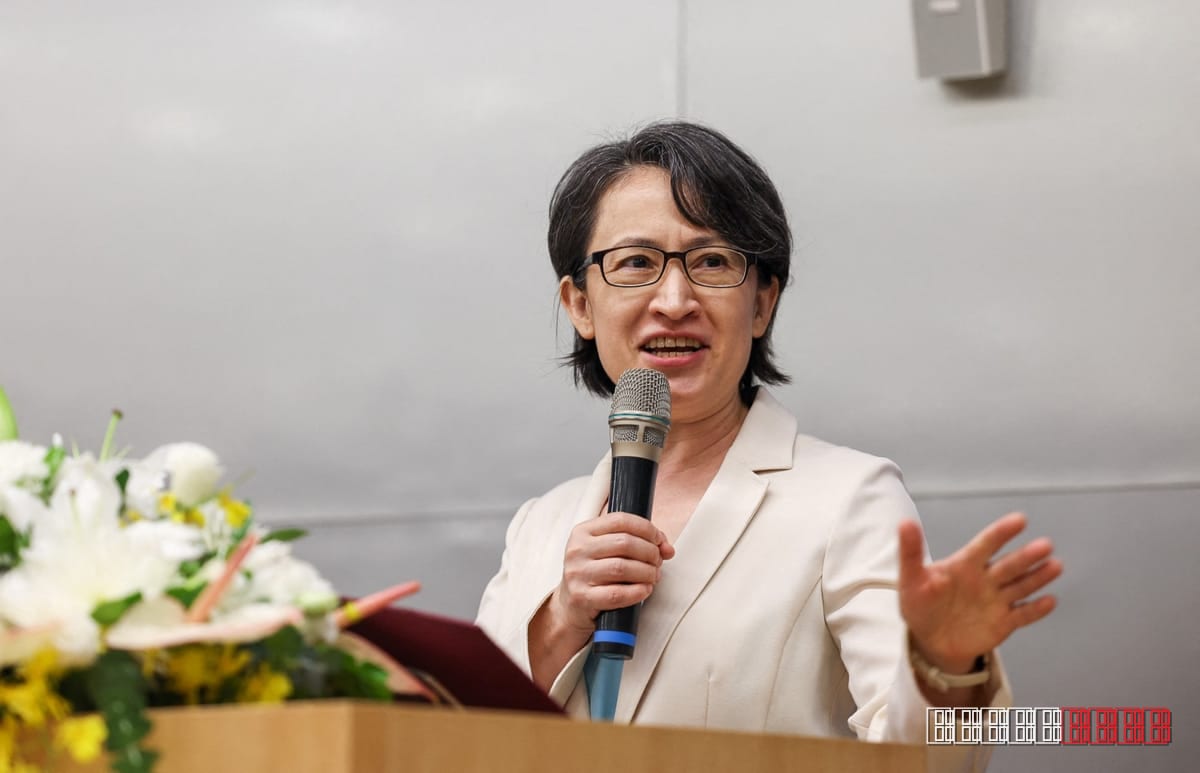
Taiwan’s vice president, Hsiao Bi‑khim, travelled to Europe this week to take part in a high‑profile conference on democracy, a move described by the European Parliament as “rare” for a Taiwanese senior official. The delegation arrived in Brussels on Monday and immediately joined a gathering of lawmakers, civil‑society groups and think‑tanks focused on defending democratic institutions worldwide.
According to Al Jazeera, the European Parliament’s vice‑president for political affairs, Pina Picierno, said the trip was kept under wraps until Hsiao’s plane touched down, a precaution taken to safeguard her participation. “The visit was kept secret until her arrival to protect her participation,” Picierno told reporters, underscoring the sensitivity surrounding Taiwan’s international engagements.
Taiwan’s diplomatic isolation has deepened in recent years as China intensifies its campaign to marginalise the island on the global stage. Most countries do not maintain formal relations with Taipei, and Beijing routinely pressures international organisations and foreign officials to avoid official contact with Taiwanese leaders. In this context, Hsiao’s appearance in Europe marks one of the few instances where a high‑ranking Taiwanese official has been openly welcomed by a European institution, a rarity that reflects both the growing concern over authoritarian trends and the strategic importance of Taiwan’s democratic model.
The conference, organised by the European Parliament’s Democracy and Human Rights Committee, convened representatives from over 30 nations to discuss challenges such as electoral interference, media freedom and the erosion of civil liberties. Hsiao, who previously served as Taiwan’s ambassador to the United States, addressed the assembly, stressing the need for “solidarity among democracies” and warning that “authoritarian powers are testing the limits of international norms.” Her remarks were met with applause from European lawmakers, many of whom have recently voiced support for Taiwan amid heightened cross‑strait tensions.
Beijing’s foreign ministry issued a terse statement condemning the visit, accusing the European Parliament of “political manipulation” and warning of “serious consequences” for any further engagement with Taiwanese officials. Analysts note that while the immediate diplomatic fallout may be limited, Hsiao’s presence signals a willingness among European actors to push back against Chinese pressure and to elevate Taiwan’s voice in discussions about democratic resilience.
The episode illustrates the delicate balancing act Taiwan must perform: seeking international participation without provoking a disproportionate response from China. As democracy‑focused forums continue to proliferate, Hsiao’s discreet yet impactful European stop may set a precedent for future low‑profile diplomatic outreach by the island’s leaders.
This report is based on original reporting by Al Jazeera. Read the original source →