Tehran Threatens Retaliation if Nations Join U.S. Economic Campaign Amid Iran Conflict
Iran's leadership warned neighboring states that aligning with the United States in the ongoing war would make them targets of Iranian countermeasures.
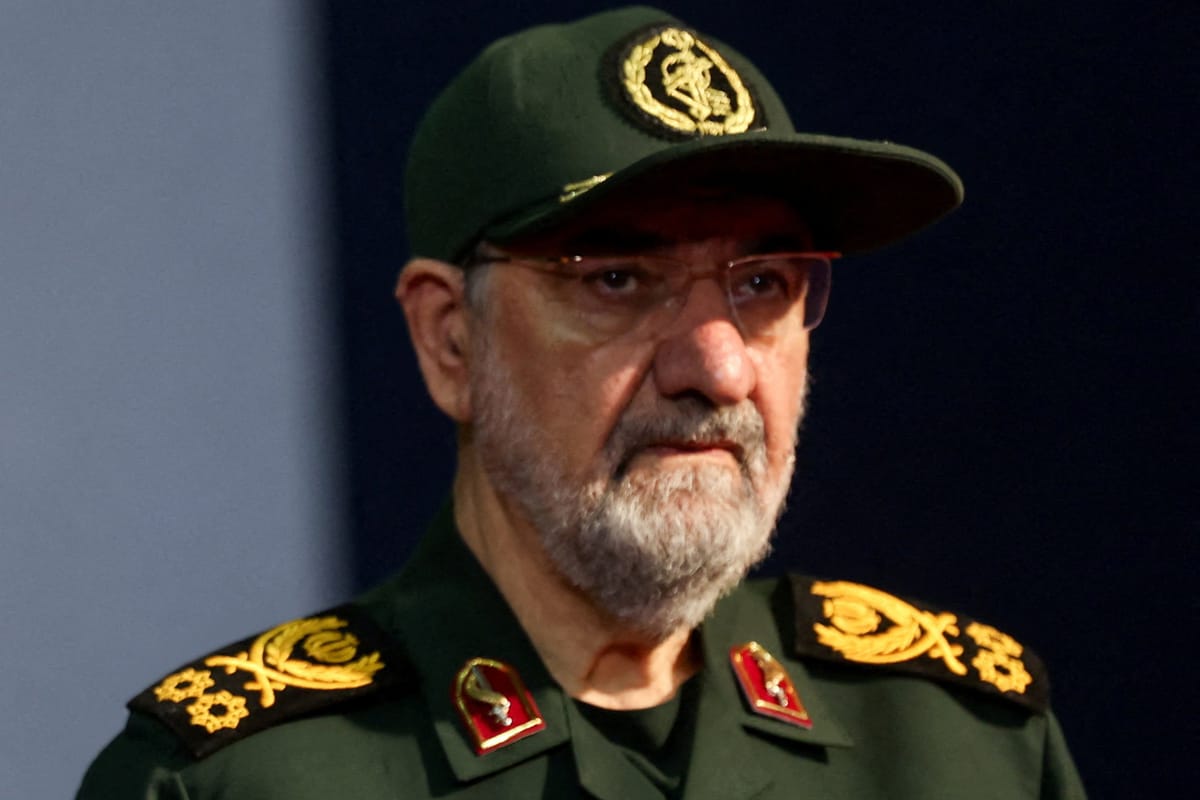
Amid the intensifying clash that has engulfed Iran and its regional rivals, Tehran issued a stark warning to surrounding countries. Officials in the capital declared that any state that chooses to support the United States through economic means in the current war will be regarded as an adversary. The message, delivered during a high‑level briefing, emphasized that Iran would respond by targeting the interests of any such nation.
The declaration comes as the United States and its allies have stepped up financial pressure on Tehran, imposing sanctions and restricting trade to weaken the Iranian war effort. In response, Iranian authorities have signaled a willingness to expand the conflict beyond the battlefield, threatening to strike at foreign assets, businesses, and diplomatic missions linked to nations that back the U.S. campaign.
While the exact nature of the contemplated retaliation was not detailed, the language used suggested a broad scope, ranging from cyber operations to the seizure of commercial property. Tehran’s stance aims to deter regional powers from joining the economic front, hoping to isolate the United States and limit the reach of its sanctions network.
Neighboring states, many of which already navigate delicate diplomatic balances with both Tehran and Washington, have so far refrained from publicly commenting on the warning. Analysts note that the warning could push some countries to adopt a more neutral posture, avoiding overt economic cooperation with the United States while quietly maintaining existing trade ties.
The warning adds another layer of complexity to an already volatile situation in the Middle East. As the war continues to claim lives and disrupt economies, the prospect of a wider economic confrontation raises concerns about further destabilization across the region.