Tehran to establish new maritime restriction near Hormuz Strait
Iran's security chief says a limited zone will be declared around the strategic waterway, raising concerns for global shipping
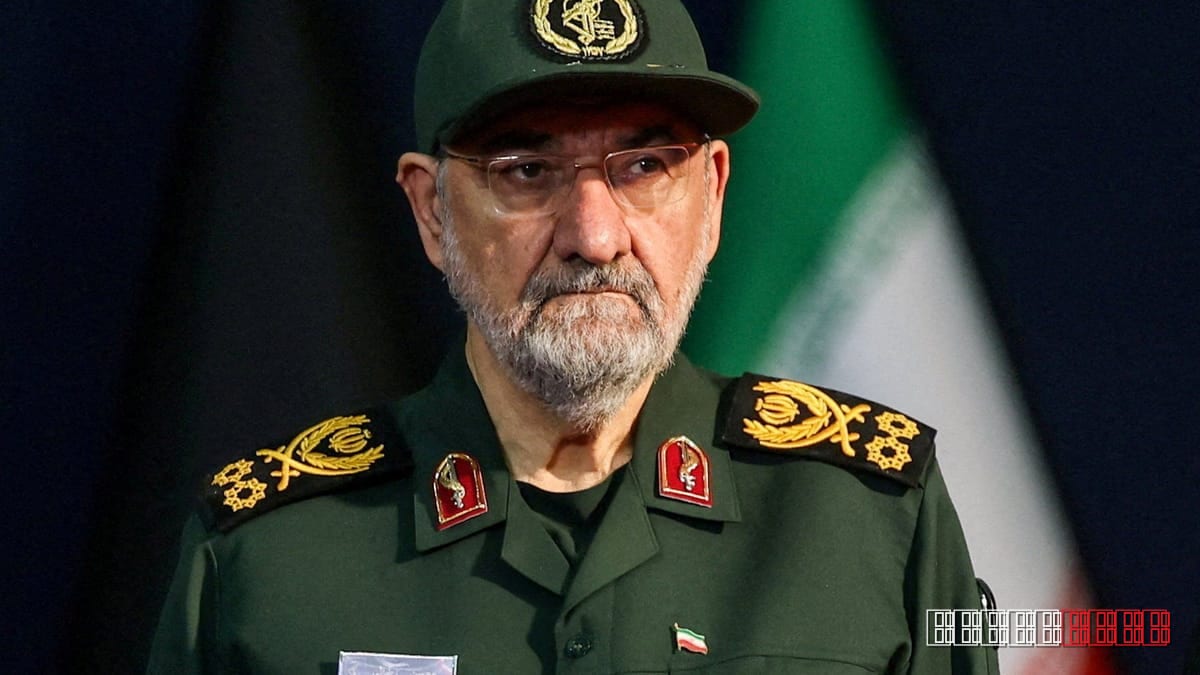
Iran’s top security official, Mohsen Rezaei, announced that Tehran plans to designate a restricted maritime zone surrounding the Strait of Hormuz, Al Jazeera reported. The move, still in the drafting stage, is expected to limit the passage of civilian vessels within a defined radius, though the exact parameters have not been disclosed.
A restricted zone typically involves heightened naval patrols and the authority to intercept ships that violate the area. Iran has previously used similar measures to assert control over its coastal waters, most notably during the 2019 attacks on oil tankers that prompted a brief closure of the strait. Officials indicated that the upcoming declaration will be communicated to international maritime agencies ahead of implementation.
The Strait of Hormuz is a chokepoint through which roughly one‑fifth of the world’s oil supply transits daily, making it a focal point of geopolitical tension. Over the past decade, the waterway has seen a series of confrontations between Iranian forces and Western navies, especially amid disputes over sanctions and regional security. Any new limitation on traffic could ripple through global energy markets, potentially driving up freight rates and prompting insurers to reassess risk premiums.
Shipping companies have yet to receive formal notice, and no immediate comment has been issued by the United Nations’ maritime safety body or by neighboring Gulf states. Analysts warn that even a temporary restriction could force vessels to reroute around the Arabian Sea, adding days to voyages and increasing fuel consumption. The lack of a clear timeline leaves traders watching closely for any signs of escalation.
Iran’s decision fits a broader pattern of leveraging maritime control to extract diplomatic concessions. By signaling a willingness to tighten access to Hormuz, Tehran may be positioning itself ahead of upcoming negotiations on its nuclear program and regional water‑security arrangements. Historically, such moves have prompted diplomatic outreach from the United States and European partners, seeking to keep the strait open for commerce while addressing security concerns.
This report is based on original reporting by Al Jazeera. Read the original source →