Therapist shares three calm‑down tactics for frazzled parents
A licensed therapist and mother of three outlines simple steps to keep emotions in check during stressful parenting moments.
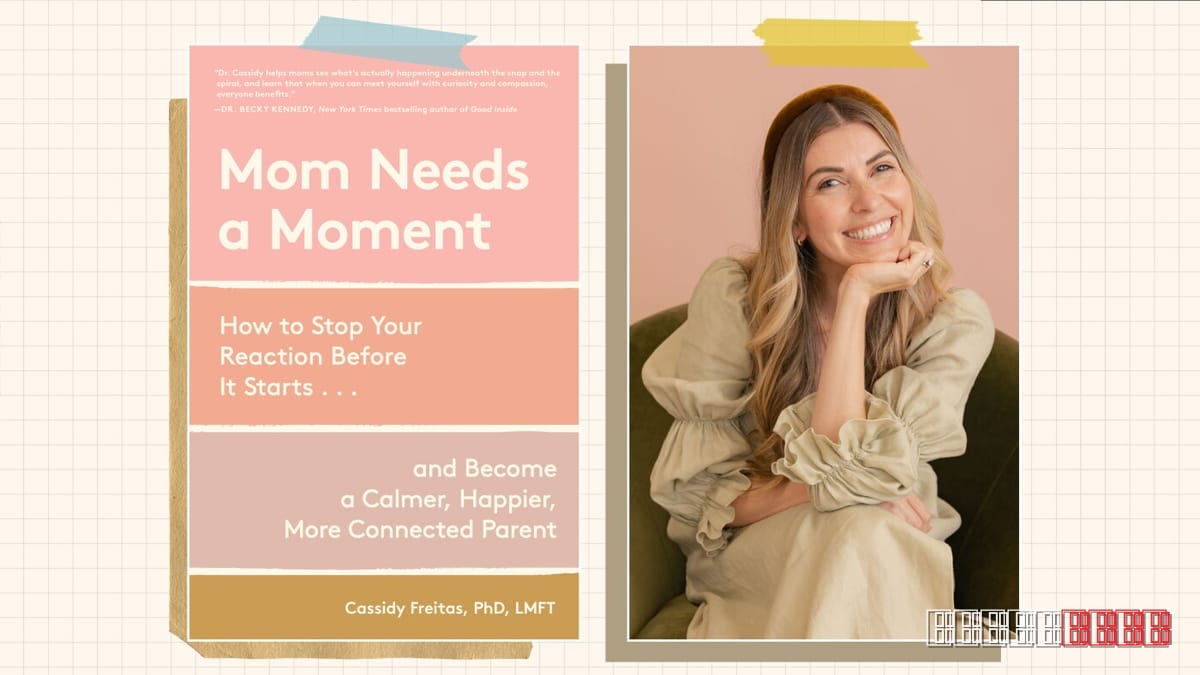
Parenting can feel like an emotional roller coaster, especially when daily demands pile up. NPR reported that a therapist who also raises three children recommends three straightforward actions to help parents regain composure and respond more thoughtfully.
The first step is to create a brief pause. By stepping back for a few seconds—whether through a slow breath or a quick physical reset—parents can interrupt the surge of anger before it escalates. The second tactic involves naming the feeling. Acknowledging "I’m angry" or "I’m frustrated" gives the brain a chance to process the emotion rather than act on impulse. Finally, the therapist suggests shifting attention to a concrete, manageable task, such as picking up a toy or opening a window, which can break the cycle of rumination and restore a sense of control.
These techniques are rooted in cognitive‑behavioral principles that teach individuals to notice triggers, label emotions, and choose deliberate responses. While the advice is simple, its impact can be significant: calmer interactions foster a more supportive home environment and reduce the likelihood of long‑term stress‑related health issues for both parents and children.
Experts note that parental stress has risen sharply in recent years, driven by economic pressures, remote schooling, and the constant connectivity of modern life. The American Psychological Association has documented that parents report higher levels of anxiety than the general population, a trend that correlates with increased rates of burnout and depressive symptoms. By equipping caregivers with quick, actionable tools, mental‑health professionals aim to mitigate these risks and promote resilience.
Implementing the three steps does not require a major time commitment, making them accessible even during hectic mornings or bedtime battles. Many families find that consistent practice turns these moments into opportunities for teaching emotional regulation to children as well. As NPR highlighted, the therapist emphasizes that staying calm is not about suppressing feelings but about calibrating them so parents can show up as their best selves for their families.
This report is based on original reporting by NPR. Read the original source →