Trinidad and Tobago lifts emergency rule as criticism mounts over sweeping arrests
The Caribbean nation ended its state of emergency this week, facing growing backlash from lawyers and opposition over detentions made without charge.
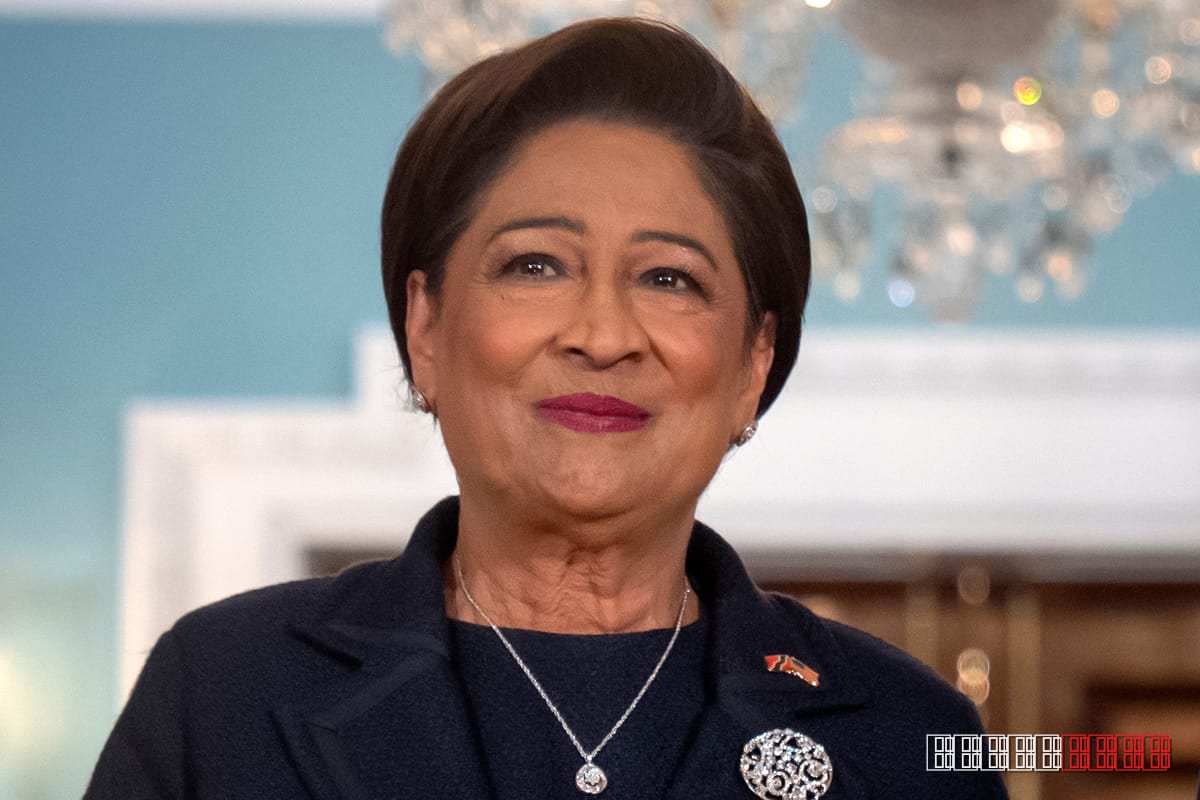
The government of Trinidad and Tobago announced the termination of the state of emergency that had been in force for several months, Al Jazeera reported. Officials said the decision reflects a “return to normalcy” after a period of heightened security measures, but the move comes as legal experts and civil‑society groups intensify their objections to the way the powers were used.
During the emergency, authorities employed special provisions that permitted the arrest and detention of individuals without filing formal charges. Lawyers condemned the practice, arguing it contravened constitutional guarantees and international human‑rights standards. The criticism focused on the lack of judicial oversight and the broad discretion granted to police, which, according to Al Jazeera, allowed for mass arrests that many described as arbitrary.
The emergency was originally declared earlier this year amid a wave of public protests over rising living costs and perceived government corruption. Such measures are not unprecedented in the Caribbean, where governments sometimes invoke emergency powers to curb unrest, but they are typically limited in scope and duration. In this case, the extended use of detention without charge sparked fears of a slide toward authoritarian tactics, prompting both domestic and regional watchdogs to call for a swift rollback.
Opposition parties seized on the development, labeling the arrests a “political crackdown” and demanding accountability for those detained. International human‑rights organisations have also issued statements urging the authorities to review the cases and ensure due process. While the government has pledged to release individuals who have not faced formal accusations, legal challenges are expected to continue as lawyers prepare to contest the legality of past detentions in court.
With the emergency officially lifted, the focus now shifts to restoring public confidence and addressing the grievances that sparked the unrest. Analysts note that the episode could influence future policy on emergency powers across the region, highlighting the delicate balance between security and civil liberties. The coming weeks will likely see a series of judicial reviews and possible legislative reforms aimed at tightening safeguards against indefinite detention without charge.
This report is based on original reporting by Al Jazeera. Read the original source →