Trump Administration Reviews Yosemite Land Exchange for Private Access Road
Officials are weighing a proposal that would trade federal land in Yosemite for a route benefiting a private developer’s entrance to the park.
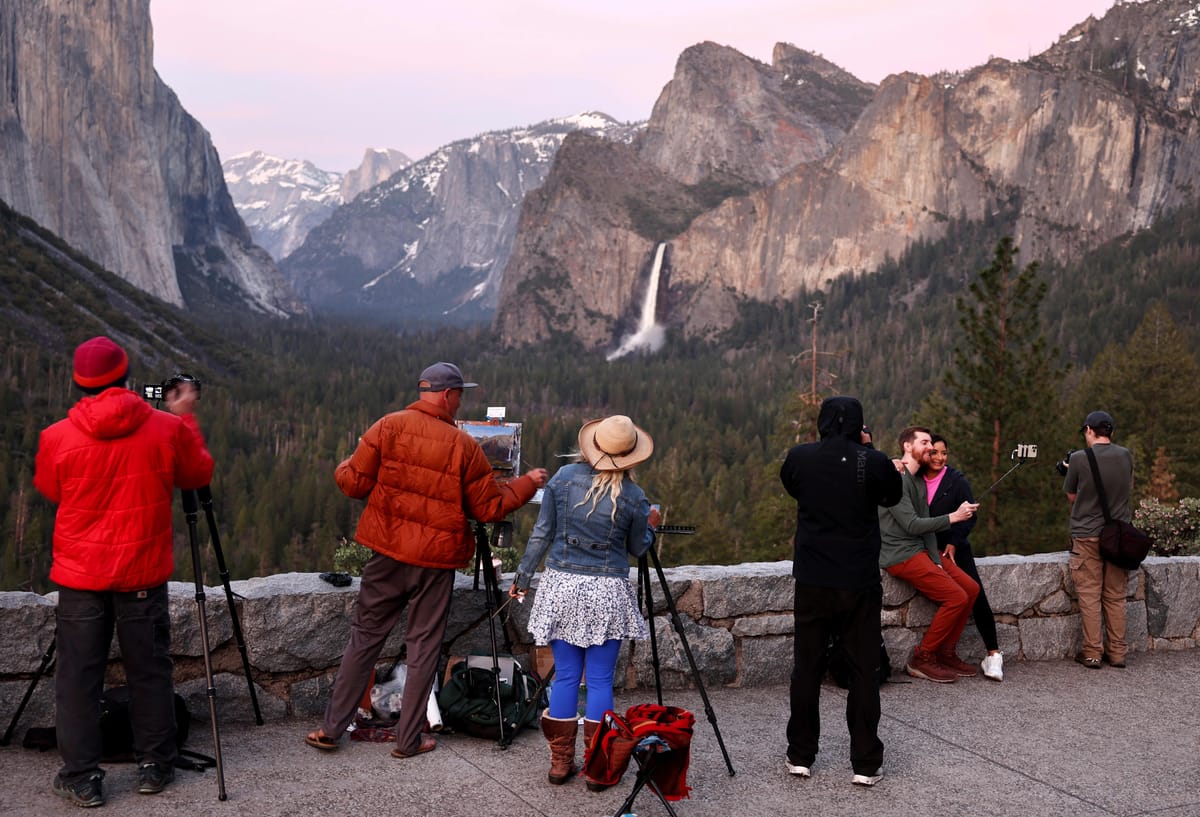
The White House is currently reviewing a land‑exchange proposal that could reshape access to Yosemite National Park. Under the plan, a parcel of federal land within the park’s boundaries would be swapped for an equivalent area outside, creating a more direct roadway for a private development seeking entry to the park’s western edge.
The developer, identified in public filings as Kingsbarn, argues that the new road would improve safety and reduce traffic on existing park routes. In return, the administration would receive land that could be added to the national forest system or otherwise conserved under federal oversight. Proponents say the exchange balances private‑sector interests with the public good, citing potential economic benefits for nearby communities that rely on tourism.
Conservation groups, however, have voiced reservations. They caution that any new road inside a protected area could open sensitive habitats to increased human activity, potentially threatening wildlife and the park’s historic landscapes. The groups have called for a thorough environmental review before any transaction proceeds, emphasizing the need to preserve Yosemite’s natural integrity.
The proposal arrives amid a broader push by the current administration to streamline land‑use decisions and accelerate infrastructure projects that support economic growth. Critics argue that the approach could set a precedent for future swaps that prioritize private access over ecological considerations.
If approved, the land exchange would require coordination among the Department of the Interior, the National Park Service, and state agencies. The final decision is expected later this year, pending the completion of environmental assessments and public comment periods.
Stakeholders on both sides are watching closely, as the outcome could influence how federal lands are managed in other iconic natural areas across the United States.