Trump cautions against AI slowdown but backs selective safeguards
The former president warned that efforts to curb artificial intelligence could be driven by “negative forces,” while acknowledging the need for limited guardrails.
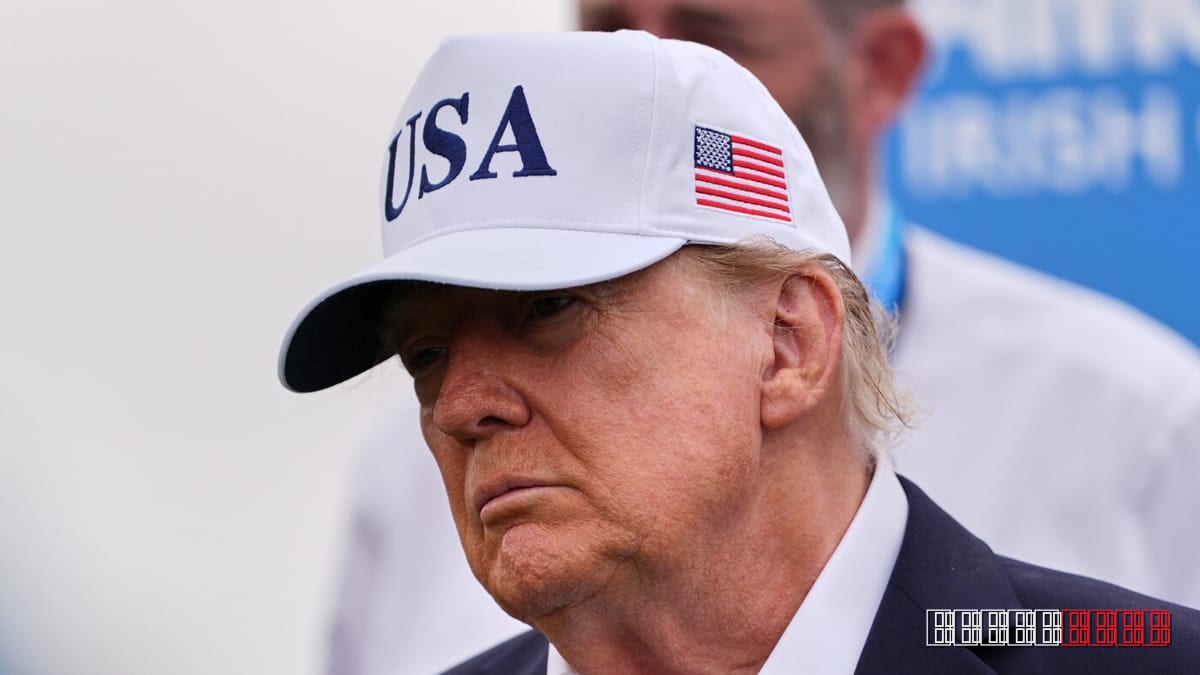
President Donald Trump took to the podium this week to argue that a broad slowdown of artificial‑intelligence development would be misguided. Referring to unnamed “negative forces,” he claimed they were forecasting outcomes that he believes will not materialize. "There are people out there who want to slow AI down, and they’re predicting things that just won’t happen," Trump told a crowd of supporters, according to NPR.
Trump’s remarks came amid a growing chorus of lawmakers, tech executives, and ethicists calling for more stringent oversight of AI systems. While the former president dismissed sweeping restrictions, he did not reject the idea of “some guardrails” to address potential misuse. He suggested that targeted measures—such as transparency requirements for high‑risk models—could be acceptable, but warned that overly aggressive policies might stifle innovation and economic competitiveness.
The comments reflect a broader partisan divide over how the United States should regulate emerging technologies. Republicans have generally championed a hands‑off approach, emphasizing market‑driven solutions, whereas many Democrats have pushed for federal legislation to curb bias, privacy violations, and the weaponization of AI. The debate intensified after several high‑profile incidents, including deep‑fake political videos and AI‑generated disinformation that spread during recent elections.
Industry leaders have echoed concerns that heavy regulation could push AI research overseas, where fewer constraints exist. Companies such as OpenAI and Google have publicly advocated for a balanced framework that protects public safety without hampering progress. The administration’s current stance, as signaled by Trump’s remarks, suggests a preference for self‑regulation supplemented by narrowly focused rules.
Experts note that the next steps will likely involve congressional hearings and possible executive actions. Historically, technology policy in the U.S. has evolved through a mix of voluntary standards and targeted legislation—think of the internet’s early days or the rollout of privacy laws like GDPR’s U.S. counterparts. How quickly and decisively policymakers act on AI could shape the country’s leadership in the global tech arena for years to come.
This report is based on original reporting by NPR. Read the original source →