Trump endorses new India‑Middle East‑Europe trade link, urges bypass of Iranian checkpoints
The former US president praised a proposed corridor linking India with the Gulf and Europe, calling for routes that avoid Iran’s control points.
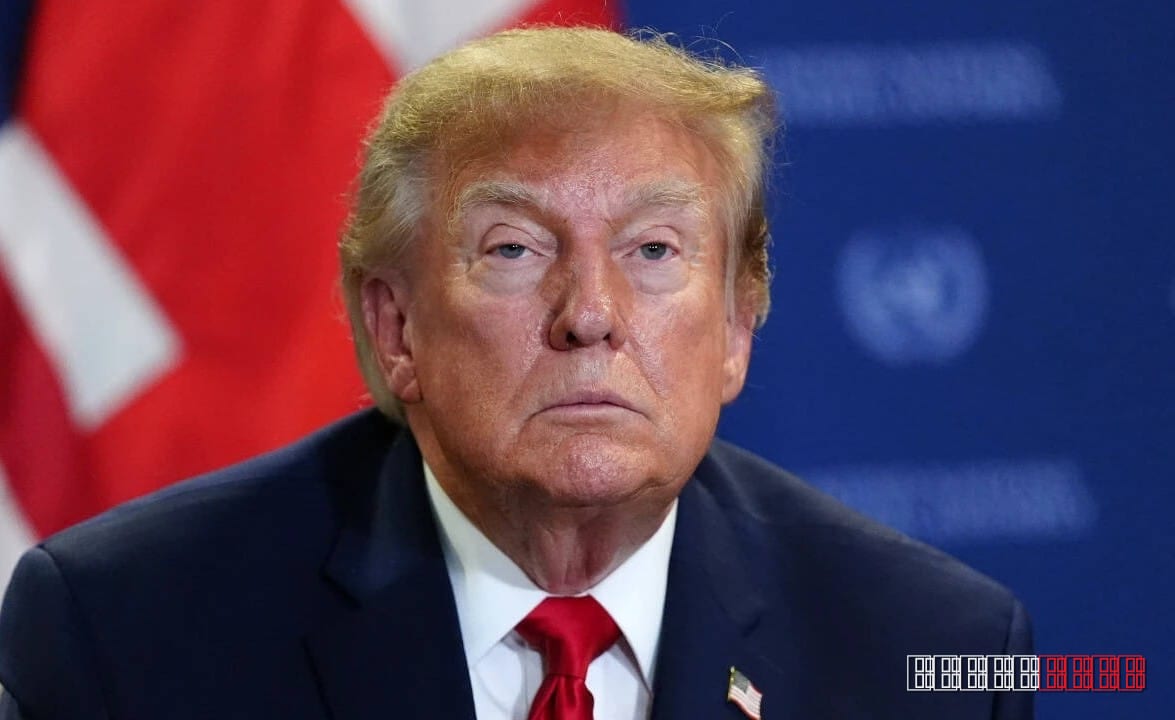
Former President Donald Trump has publicly backed a proposed India‑Middle East‑Europe Economic Corridor, urging policymakers to develop trade routes that sidestep Iranian checkpoints, Times of India reported. In remarks made during a recent interview, Trump highlighted the strategic advantage of a corridor that would connect Indian ports with Gulf states, Turkey and the broader European market, arguing that it could reduce shipping times and lessen dependence on routes subject to Iranian oversight.
The corridor concept envisions a multimodal network of sea and land links that would allow Indian exporters to move goods through the Arabian Sea, onto overland highways across the United Arab Emirates, Saudi Arabia and Jordan, before reaching Turkey and the European Union. Proponents say the route could cut logistics costs by up to 15 percent and provide a reliable alternative to the traditional Suez‑Cairo pathway, which often faces congestion and geopolitical friction.
Trump’s endorsement comes amid heightened tensions between Washington and Tehran following a series of retaliatory strikes in the region. The former president argued that “a secure, Iran‑free corridor is essential for global trade stability,” and suggested that the United States could assist with financing and technical expertise, aligning the project with its broader Indo‑Pacific strategy.
India has been courting Gulf partners for years to diversify its export routes. Prime Minister Narendra Modi’s administration has floated the corridor idea in bilateral talks with the United Arab Emirates and Saudi Arabia, positioning it as a complement to China’s Belt and Road Initiative. Analysts note that U.S. support could lend the project additional credibility, especially as Washington seeks to counter Iran’s influence over regional logistics.
If realized, the corridor could boost Indian manufacturing, create thousands of jobs in participating countries, and deepen strategic ties between New Delhi and Washington. However, experts caution that the venture faces significant hurdles, including the need for massive infrastructure investment, harmonisation of customs regulations, and navigating the complex political landscape of the Middle East.
India, the UAE and Turkey have announced plans to commission a joint feasibility study within the next six months. The United States is expected to monitor the project’s progress and explore possible public‑private partnerships, according to officials familiar with the discussions.
The proposed shift away from Iranian‑controlled checkpoints reflects a broader trend of countries seeking alternative supply chains amid geopolitical uncertainty, a dynamic that could reshape trade flows across Asia, the Middle East and Europe.
This report is based on original reporting by Times of India. Read the original source →