Trump Mulls Comprehensive Middle East Overhaul Amid Iran Tensions
Times of India reports the U.S. president is considering a far‑reaching strategy for the region beyond any post‑war plan.
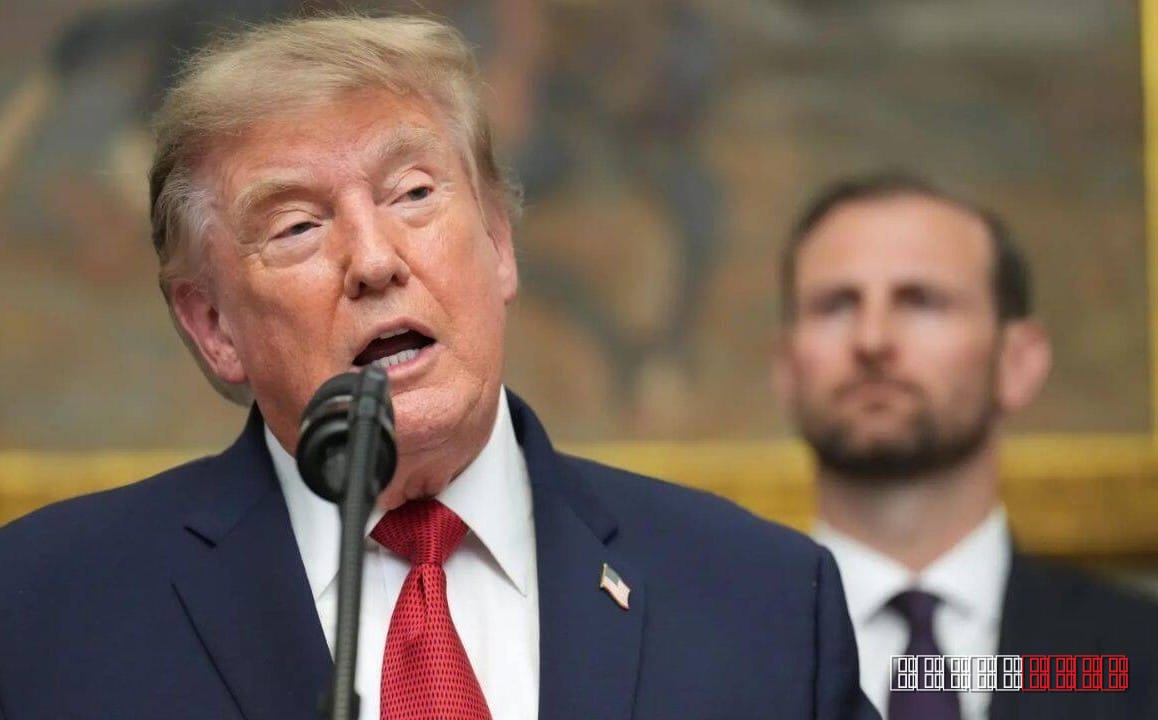
According to the Times of India, the White House is reportedly drafting a sweeping Middle East reset that would go beyond a conventional post‑conflict framework if hostilities with Iran were to erupt. The report, which cited unnamed senior officials, suggests that President Donald Trump is weighing a “much bigger” initiative that could reshape diplomatic, economic and security ties across the region.
While the article did not disclose concrete details, it indicated that the proposed plan would involve coordinated efforts with regional allies, a reassessment of U.S. military deployments, and new economic incentives aimed at stabilising volatile markets. Sources close to the administration allegedly said the strategy is intended to pre‑empt a prolonged stalemate and to position the United States as the primary broker of any future peace.
The notion of a broad‑scale Middle East overhaul follows a series of escalations between Washington and Tehran over the past year, including sanctions, cyber‑operations and heightened rhetoric over Iran’s nuclear program. Trump’s earlier foreign‑policy moves—such as withdrawing from the Iran nuclear deal in 2018 and brokering the Abraham Accords—have already altered the regional calculus. Analysts note that a larger reset could signal a shift from reactive measures to a more proactive, long‑term vision for stability.
Historically, U.S. attempts to engineer regional peace have oscillated between diplomatic overtures and military posturing. The 1990s saw the “dual containment” policy, while the early 2000s featured the Iraq invasion and subsequent attempts at nation‑building. More recent efforts, like the 2020 Abraham Accords, demonstrated that economic incentives can complement security guarantees. If Trump’s administration proceeds, it would join a lineage of ambitious, often contentious, U.S. initiatives aimed at reshaping the Middle East’s strategic landscape.
The potential reset carries implications for India as well. New trade routes, energy supplies and security arrangements could affect Indian imports of oil and gas, as well as its diaspora communities across the Gulf. Indian policymakers have traditionally advocated for a stable Middle East to safeguard economic interests, and any major U.S. policy shift is likely to be monitored closely in New Delhi.
The Times of India story stops short of confirming timelines or specific policy instruments, leaving observers to speculate on how—and when—a broader Middle East strategy might materialise.
This report is based on original reporting by Times of India. Read the original source →