Trump orders lie‑detector exams for senior aides amid leak controversy
The president demanded polygraph tests for top officials after a series of unauthorized disclosures, Times of India reports.
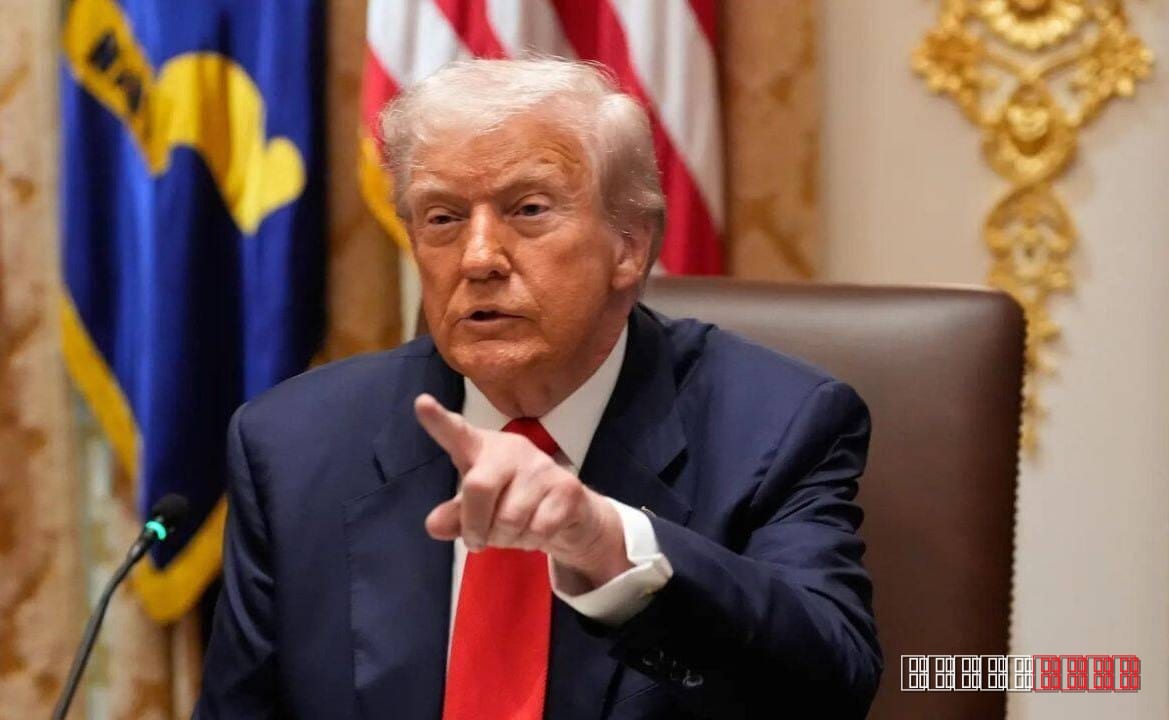
President Donald Trump has instructed the White House to require polygraph examinations for senior staff members following a spate of leaks that he described as “unacceptable” (Times of India). The directive, issued on Friday, calls for the administration’s highest‑ranking officials to undergo a lie‑detector test before assuming or continuing in their roles. According to the report, the order is intended to identify the source of the recent unauthorized disclosures that have appeared in the media.
The leak in question involved classified details about U.S. diplomatic discussions, which were published by an unnamed outlet earlier this week. While the exact content of the documents has not been disclosed, officials close to the matter said the information could have compromised ongoing negotiations. Trump’s frustration was evident in a brief statement to senior aides, where he warned that “anyone caught leaking will face the full force of the law.”
Polygraph testing, commonly known as a lie detector, has a mixed reputation within the U.S. government. Historically, intelligence agencies have used the tool sparingly, and its results are not admissible in most courts due to questions about reliability. The last time a sitting president mandated such tests for a broad group of officials was during the George W. Bush administration, when a limited number of senior staff were screened after the 2005 leak of a CIA operative’s identity.
The move raises concerns among legal scholars about privacy and due process. Critics argue that compulsory polygraph tests could create a climate of mistrust within the executive branch, potentially hindering the flow of information needed for effective governance. Supporters, however, contend that the measure could act as a deterrent against future leaks, especially in an era where digital communication makes unauthorized sharing easier.
For India, the development is a reminder of the volatility in U.S. internal politics, which can have downstream effects on bilateral relations. Indian diplomats monitor such shifts closely, as policy continuity in Washington often influences trade talks, defense agreements, and collaborative projects in technology and climate change. The heightened focus on internal security may also affect how the United States engages with its allies on intelligence sharing.
The administration has not yet disclosed a timeline for the polygraph rollout, nor identified which officials will be subject to the test first. As the situation unfolds, observers will watch for any legal challenges or diplomatic repercussions that could arise from this unprecedented step.
This report is based on original reporting by Times of India. Read the original source →