Trump’s ground‑beef tariff proposal faces skepticism over price impact
A new plan to cut import duties on ground beef arrives ahead of the midterms, but analysts doubt it will noticeably lower consumer costs.
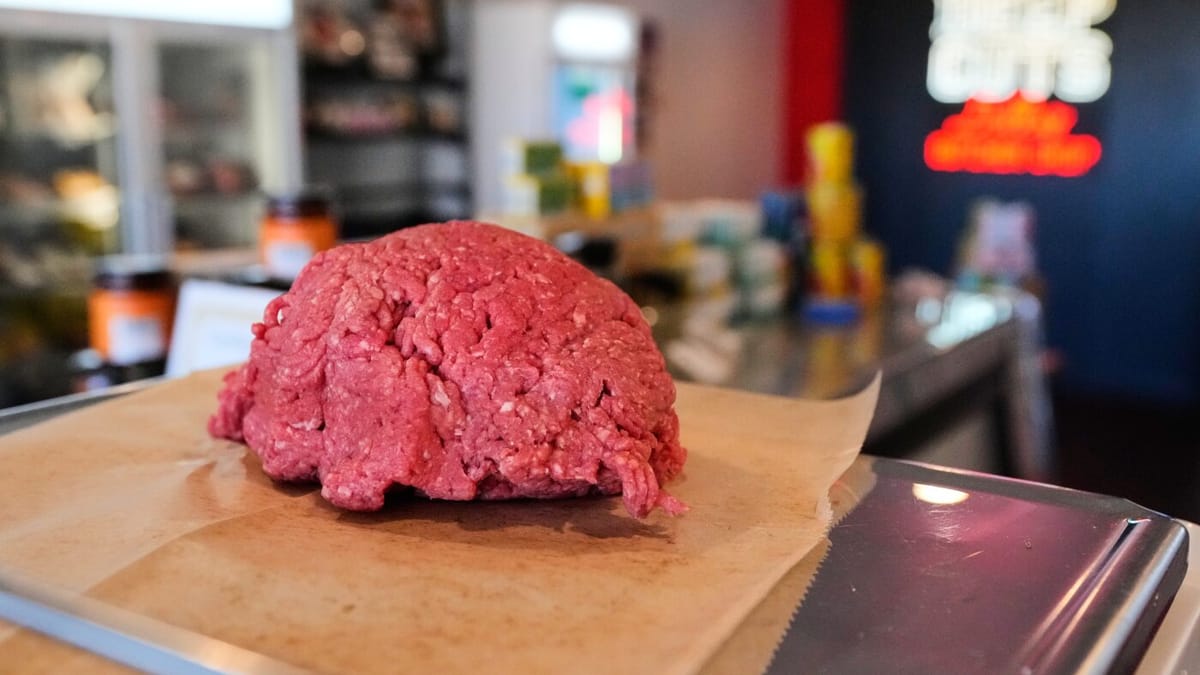
The White House has unveiled a proposal to reduce tariffs on imported ground beef, a move framed as a way to ease the cost of a staple American food. By lowering the duty that currently applies to foreign‑produced hamburger meat, the administration hopes to pass modest savings on to shoppers.
Policy advisers argue that the change could shave a few cents off the price of a typical burger, but a chorus of economists and industry experts warn that the effect will be limited. They point out that the majority of a hamburger’s price comes from domestic production costs—feed, labor, transportation and processing—rather than the tariff itself. Even with a reduced duty, the savings are expected to be marginal for most consumers.
The timing of the announcement is notable. With the midterm elections just weeks away, voters are expected to focus heavily on the cost of living, especially rising food prices that have strained household budgets. Lawmakers from both parties are watching the proposal closely, aware that any perceived effort to tackle inflation could sway undecided voters.
Domestic beef producers have expressed concerns that lower tariffs could increase competition from cheaper imports, potentially squeezing margins for U.S. farms. Trade officials say the proposal includes safeguards to protect American growers, though details remain under review.
If implemented, the tariff reduction would require congressional approval and coordination with the World Trade Organization. Until those steps are completed, the plan remains a proposal, and its real-world impact on hamburger prices will likely be measured in pennies rather than dollars.
Regardless of the outcome, the debate underscores how food‑price politics are becoming a central theme in the upcoming elections, with policymakers seeking ways—big or small—to address voters’ concerns about everyday expenses.