Trump says Treasury chief declines AI czar appointment
President Donald Trump announced that Treasury Secretary Scott Bessent does not want to serve as the administration's proposed "Super Intelligence czar."
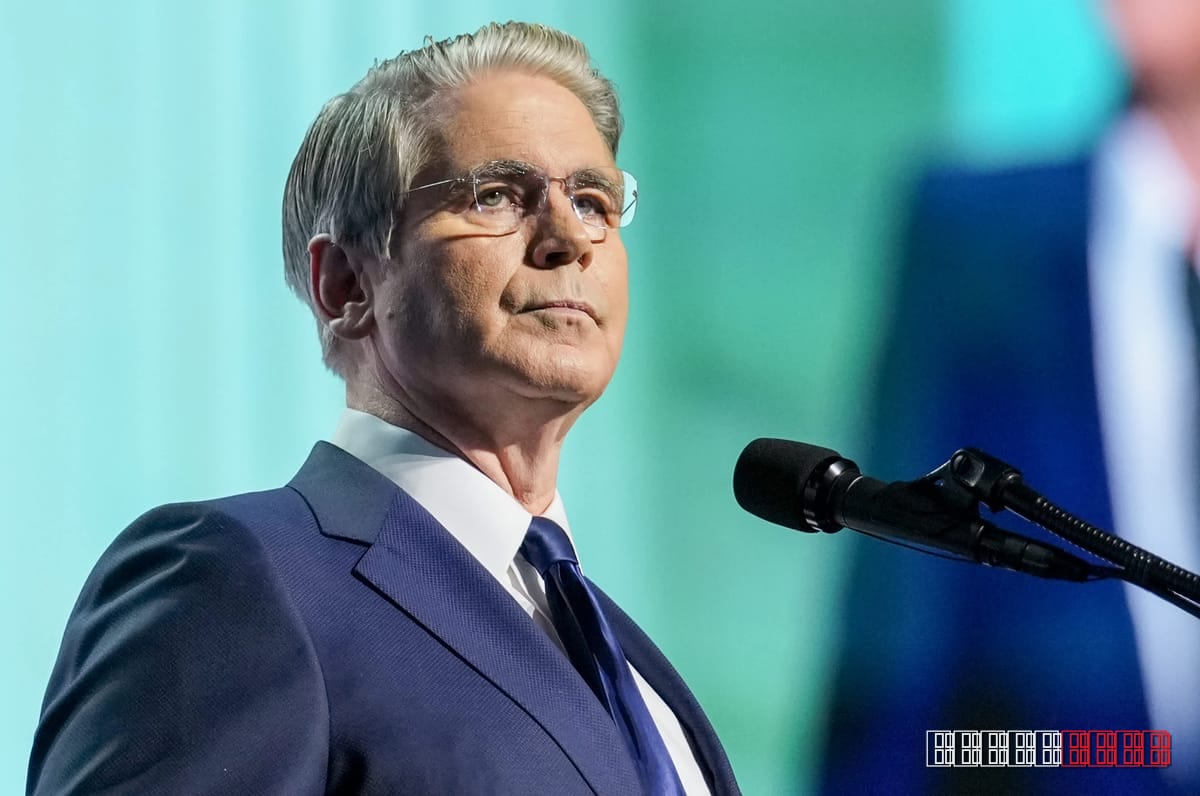
President Donald Trump told reporters on Monday that Treasury Secretary Scott Bessent has declined the role the White House is informally dubbing the “Super Intelligence czar,” a post meant to oversee the nation’s artificial‑intelligence strategy. Trump said Bessent “doesn’t want to be that AI czar,” echoing remarks made in a brief press briefing. (CNBC reported)
Scott Bessent, who was confirmed as Treasury Secretary earlier this year, has not publicly commented on the request. The administration has not released an official statement confirming whether the position will be filled by another official or left vacant. Trump’s comment suggests the White House is still searching for a senior leader to coordinate AI policy across federal agencies.
The idea of an “AI czar” has surfaced repeatedly in recent administrations. In 2023, the Biden administration created a senior advisory role within the Office of Science and Technology Policy to coordinate AI research, but the position has faced turnover and limited authority. Lawmakers have pressed for a more powerful, cabinet‑level post to address concerns ranging from national security to economic competitiveness. The Treasury Department’s involvement would be unusual, as most AI oversight proposals have centered on the Commerce Department or a dedicated Office of AI Regulation.
Industry observers note that appointing a Treasury official could signal a focus on AI’s impact on financial markets, cryptocurrency regulation, and fiscal policy. The rapid deployment of generative AI tools has already raised questions about market manipulation, fraud detection, and the valuation of AI‑driven assets. A senior figure with a deep understanding of finance could help shape rules that balance innovation with consumer protection.
If the White House proceeds without Bessent, it may turn to a senior official from Commerce, the National Security Council, or an external expert with a technology background. The next steps are likely to involve congressional hearings, as lawmakers continue to demand clearer oversight mechanisms for AI. Until a nominee is announced, the administration’s AI agenda remains in a holding pattern, with existing inter‑agency committees handling day‑to‑day coordination.
The episode underscores the political challenges of staffing high‑profile technology posts in a polarized environment. While the title of “Super Intelligence czar” captures public imagination, the practical responsibilities will hinge on the authority granted by Congress and the executive branch’s willingness to integrate AI considerations into broader economic policy.
This report is based on original reporting by CNBC. Read the original source →