Trump warns Oman of bombing as Strait of Hormuz traffic hits record low
Shipping through the strategic waterway plummets while a U.S.-Iran ceasefire expires and the president issues a stark warning to Oman.
Shipping activity in the Strait of Hormuz has fallen to its lowest level in recent memory, a development that coincides with the imminent expiration of a fragile cease‑fire between the United States and Iran. The truce, which has kept the narrow waterway – a conduit for a sizable share of the world’s oil trade – from descending into open conflict, is set to lapse on Monday, and officials say no new agreement has been reached.
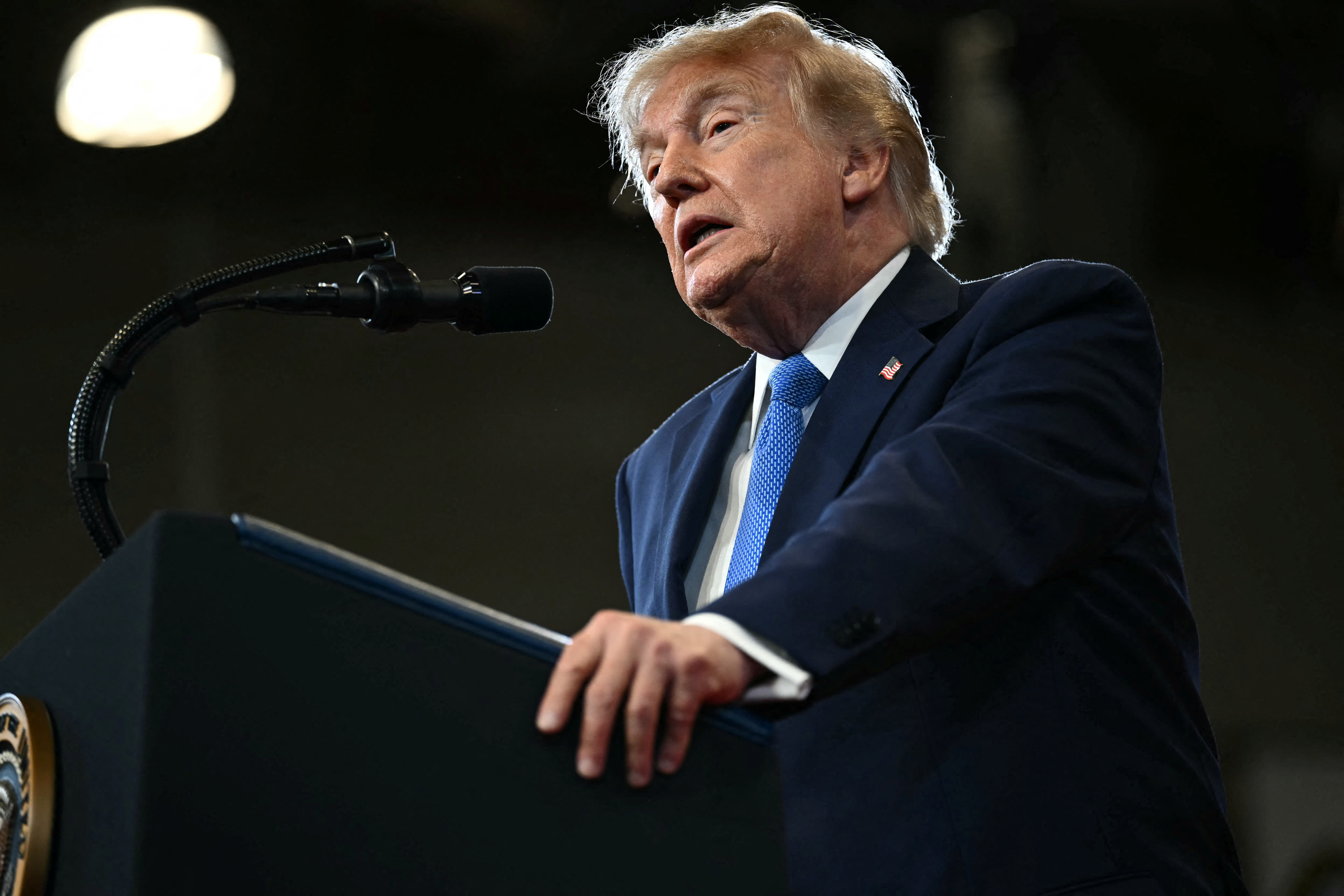
Amid the uncertainty, President Donald Trump delivered a forceful statement aimed at the Sultanate of Oman, a nation that controls the southern shore of the strait. The president warned that if Oman were to “get in the way,” the United States would consider bombing the country. The remark, made during a press briefing, underscored the administration’s willingness to use military pressure to keep the shipping lane open.
The Strait of Hormuz, which lies between the Persian Gulf and the Gulf of Oman, is one of the world’s most vital maritime chokepoints. Even a modest disruption can ripple through global energy markets, as a large proportion of crude oil and petroleum products pass through its 21‑nautical‑mile span each day. Analysts note that the recent dip in vessel movements reflects heightened caution among shipping firms, many of which have rerouted cargoes to avoid potential confrontation.
U.S. officials have not disclosed specific contingency plans, but the Pentagon’s regional command continues to monitor the situation closely. Iran, for its part, has not responded publicly to Trump’s threat toward Oman, though Tehran’s foreign ministry has reiterated its demand for a comprehensive settlement that addresses sanctions and regional security concerns.
The combination of a looming cease‑fire deadline, dwindling traffic, and a presidential warning has drawn attention from investors and policymakers alike. Market participants are watching oil prices for signs of volatility, while diplomatic channels work to prevent an escalation that could further destabilize the already tense Middle East.
Original reporting: CNBC.