Tunisian journalist detained as press crackdown intensifies
Authorities seized a reporter on charges that human‑rights groups say signal a broader clampdown on dissent in Tunisia.
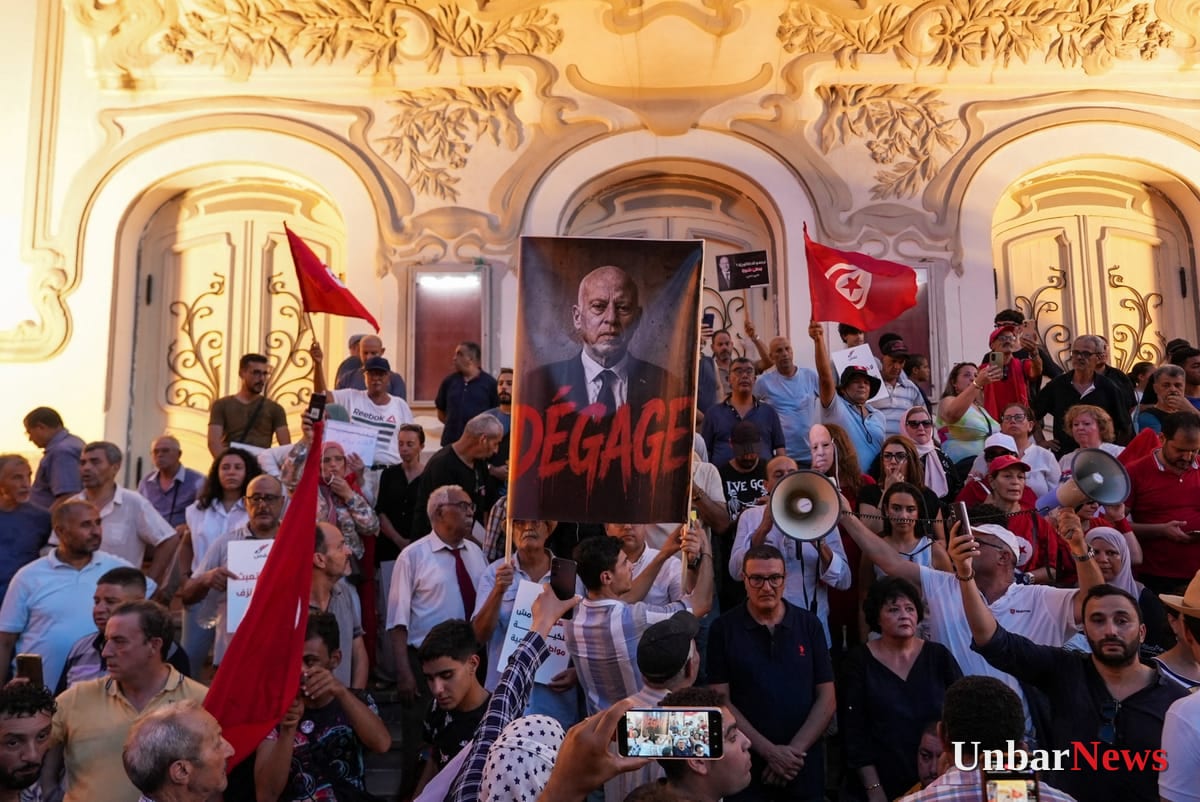
Al Jazeera reported that security forces took a Tunisian journalist into custody on Tuesday, a move seen by observers as part of an expanding wave of prosecutions against media workers critical of President Kais Saied.
The detained reporter, whose name was not released at the time of reporting, is accused of defamation and spreading false information, charges frequently employed by the government to silence dissent. The arrest follows a series of similar cases in recent months, including the detention of two other journalists for publishing commentary on Saied’s policies.
Since assuming office in 2019, President Saied has progressively concentrated power, most notably by suspending parliament in 2021 and ruling by decree. International watchdogs have warned that these actions have eroded the democratic gains made after the 2011 Arab Spring, which sparked Tunisia’s transition to a pluralist system. The media landscape, once vibrant with a range of voices, now faces heightened surveillance and legal pressure.
Human‑rights organisations such as Reporters Without Borders have documented a sharp decline in press freedom rankings for Tunisia. In its latest index, the country slipped to the lower half of the list, reflecting an environment where journalists risk harassment, travel bans, and criminal charges for routine reporting. The current arrest underscores the precarious situation for reporters who attempt to scrutinise government decisions, especially those relating to economic reforms and political dissent.
The broader crackdown has implications beyond the newsroom. Civil society groups argue that curbing journalistic independence weakens public accountability and hampers the flow of information essential for an informed electorate. As Tunisia navigates a fragile economic recovery, the suppression of critical voices could further alienate citizens and diminish confidence in state institutions.
The journalist’s legal fate remains uncertain, with lawyers and press‑freedom advocates calling for immediate release and transparent judicial proceedings. The incident adds to mounting international pressure on Tunisian authorities to respect constitutional guarantees of free expression, a cornerstone of the nation’s post‑revolutionary identity.
This report is based on original reporting by Al Jazeera. Read the original source →