U.S. Health Officials Announce End of Record-Breaking Cyclosporiasis Outbreak
The FDA says the nation’s largest cyclosporiasis episode is over after pulling contaminated lettuce linked to nearly 13,000 cases.
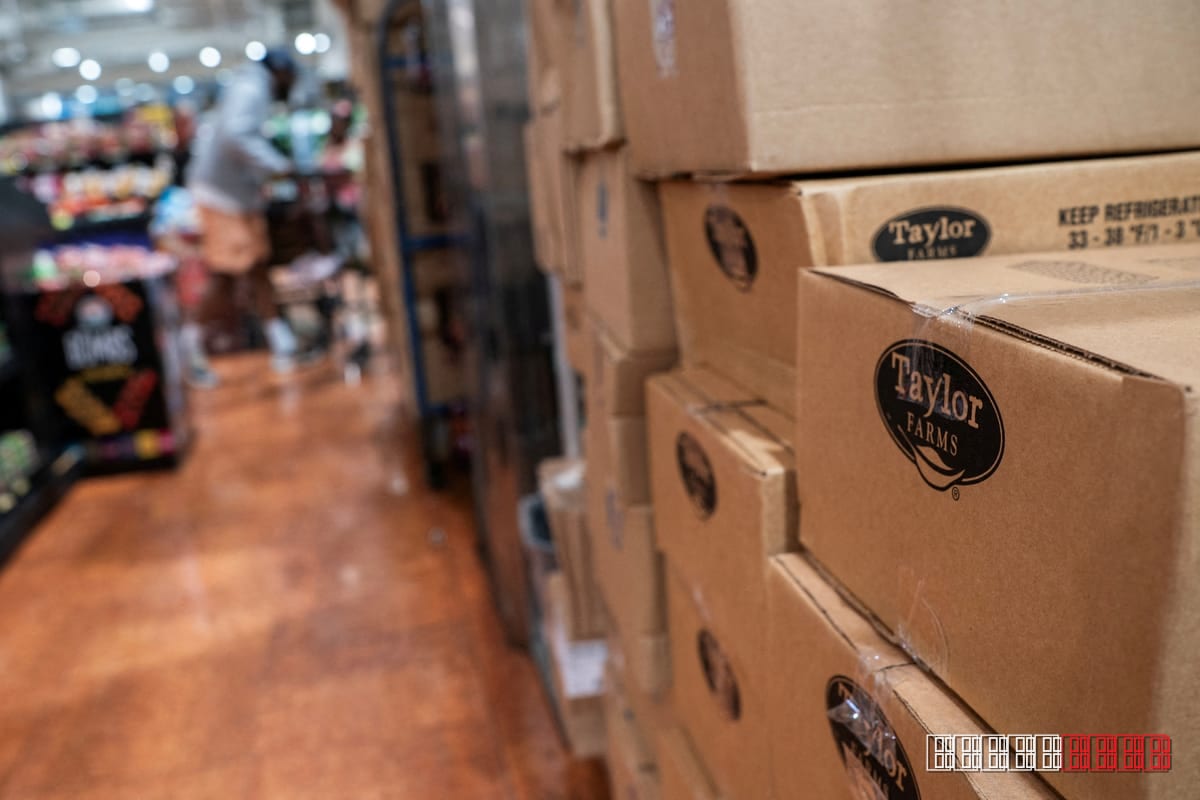
The Food and Drug Administration confirmed that the United States has officially closed the largest cyclosporiasis outbreak on record, a public‑health episode that sickened close to 13,000 people across multiple states. According to Al Jazeera, the agency traced the source to lettuce that was contaminated with the parasite Cyclospora cayetanensis and has since removed the affected product from grocery shelves nationwide.
The outbreak, which began surfacing in early summer, prompted a coordinated response from federal, state and local health departments. Investigators identified a single processing facility that supplied the lettuce to major retailers, and the FDA issued a public health alert urging consumers to discard any of the implicated batches. The agency also launched a recall that spanned several weeks, during which retailers pulled the product and posted signage to inform shoppers.
Cyclosporiasis is a diarrheal disease caused by ingesting the microscopic parasite Cyclospora, typically found on fresh produce that has been washed with contaminated water or handled under unsanitary conditions. Symptoms—ranging from watery diarrhea and abdominal cramps to fever and weight loss—usually appear a week after exposure and can last for several weeks if untreated. While the illness is rarely fatal, it can be especially severe for immunocompromised individuals and young children. Outbreaks have historically been linked to imported berries, herbs and leafy greens, making rigorous supply‑chain monitoring essential.
The recent episode underscores the challenges of safeguarding a food system that relies heavily on rapid, global distribution of fresh vegetables. In the United States, the FDA’s Food Safety Modernization Act gives the agency authority to enforce preventive controls, but the sheer volume of produce moving through ports and distribution centers can strain inspection resources. Following the recall, the FDA announced plans to enhance testing protocols for Cyclospora and to work more closely with growers to implement better water‑quality standards.
Public health officials say the outbreak’s resolution is a testament to the effectiveness of rapid detection and coordinated recall efforts. However, they caution that vigilance must continue, as Cyclospora can reappear in future harvests if hygiene practices are not consistently applied. Consumers are advised to wash fresh produce thoroughly and to stay informed about any future advisories issued by the FDA or local health departments.
The closure of this outbreak marks the end of a significant public‑health challenge that tested the nation’s food‑safety infrastructure and highlighted the importance of swift regulatory action in protecting consumers.
This report is based on original reporting by Al Jazeera. Read the original source →