U.S. Iran tensions redirect strategic assets away from Asia
Escalating confrontations with Tehran are prompting Washington to pull military and diplomatic focus from the Indo‑Pacific, raising concerns among Asian allies.
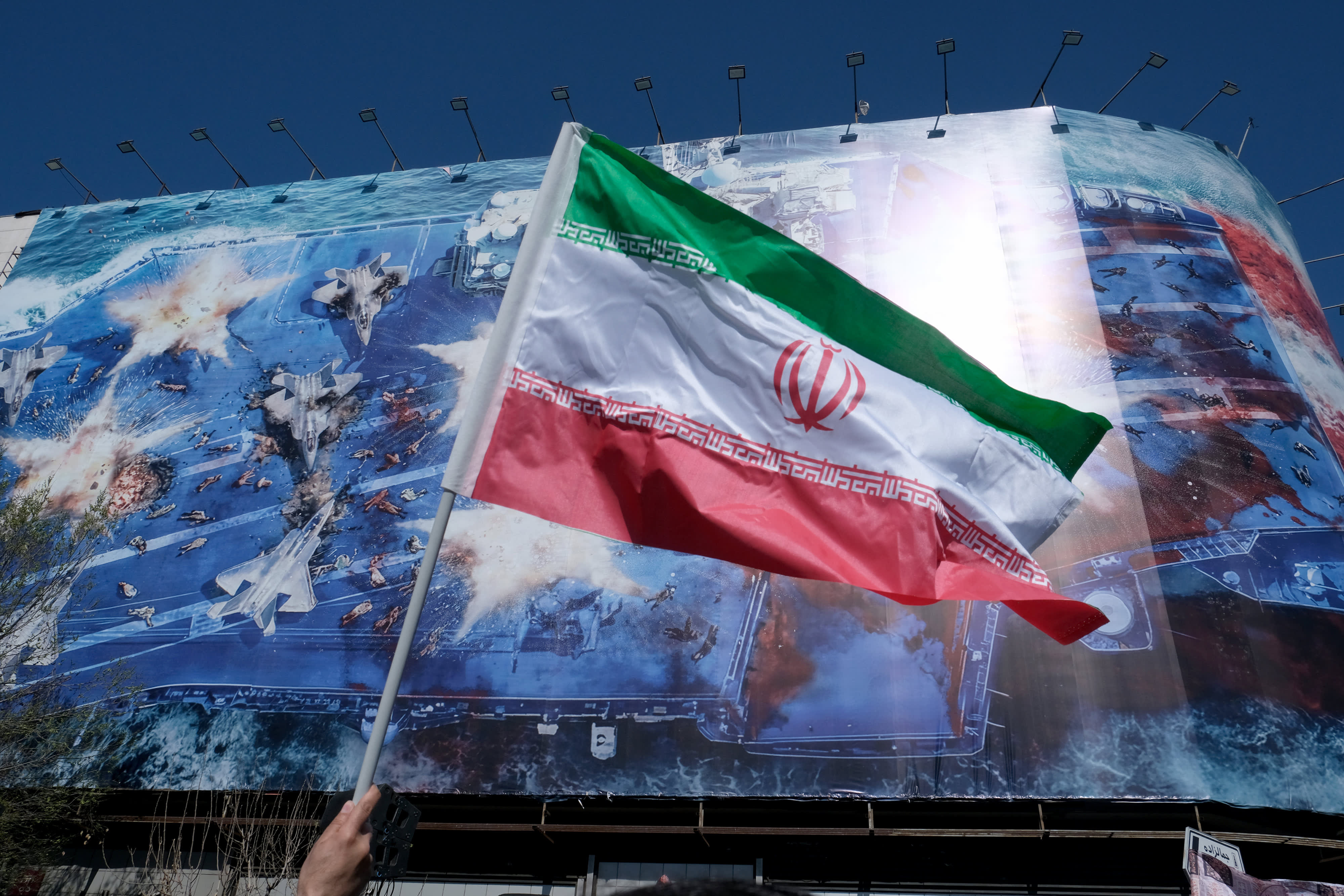
The United States is reallocating a portion of its strategic resources toward the growing dispute with Iran, a shift that is pulling attention and assets away from its longstanding commitments in Asia. Over the past months, heightened rhetoric and a series of diplomatic stand‑offs over Iran’s nuclear program and regional activities have compelled U.S. officials to prioritize the Middle East, diverting naval deployments, intelligence assets and senior diplomatic staff.
Analysts note that the redeployment comes at a time when Washington has been deepening its presence in the Indo‑Pacific to counter China’s expanding influence. The reallocation means fewer aircraft carriers, fewer joint‑training missions with allies such as Japan, South Korea and the Philippines, and a reduced diplomatic footprint in regional forums. While the United States maintains that its core commitments in Asia remain unchanged, the visible shift has prompted some Asian partners to reassess the reliability of U.S. security guarantees.
The move also affects broader supply‑chain and economic considerations. Shipping lanes that pass through the Strait of Hormuz, a critical conduit for global oil, are now under heightened U.S. naval scrutiny, potentially diverting attention from similar chokepoints in the South China Sea. Regional businesses have expressed concern that the United States’ divided focus could complicate efforts to ensure free navigation and stable trade routes.
U.S. officials emphasize that the pivot does not signal a retreat from Asia but rather a temporary realignment to address what they describe as an “emerging security challenge” in the Middle East. They argue that maintaining pressure on Iran is essential to preventing further destabilization that could have ripple effects worldwide, including in Asian markets.
The situation underscores the delicate balancing act Washington faces as it navigates two major geopolitical arenas simultaneously. Observers caution that prolonged resource shifts could strain the United States’ ability to project power and uphold alliances across both regions, potentially reshaping the strategic calculus for the coming years.