Ukrainian attacks push Russia to seek foreign gas supplies
Widespread strikes on Russian refineries and fuel depots have triggered domestic shortages, prompting Moscow to import gas from abroad for the first time in years.
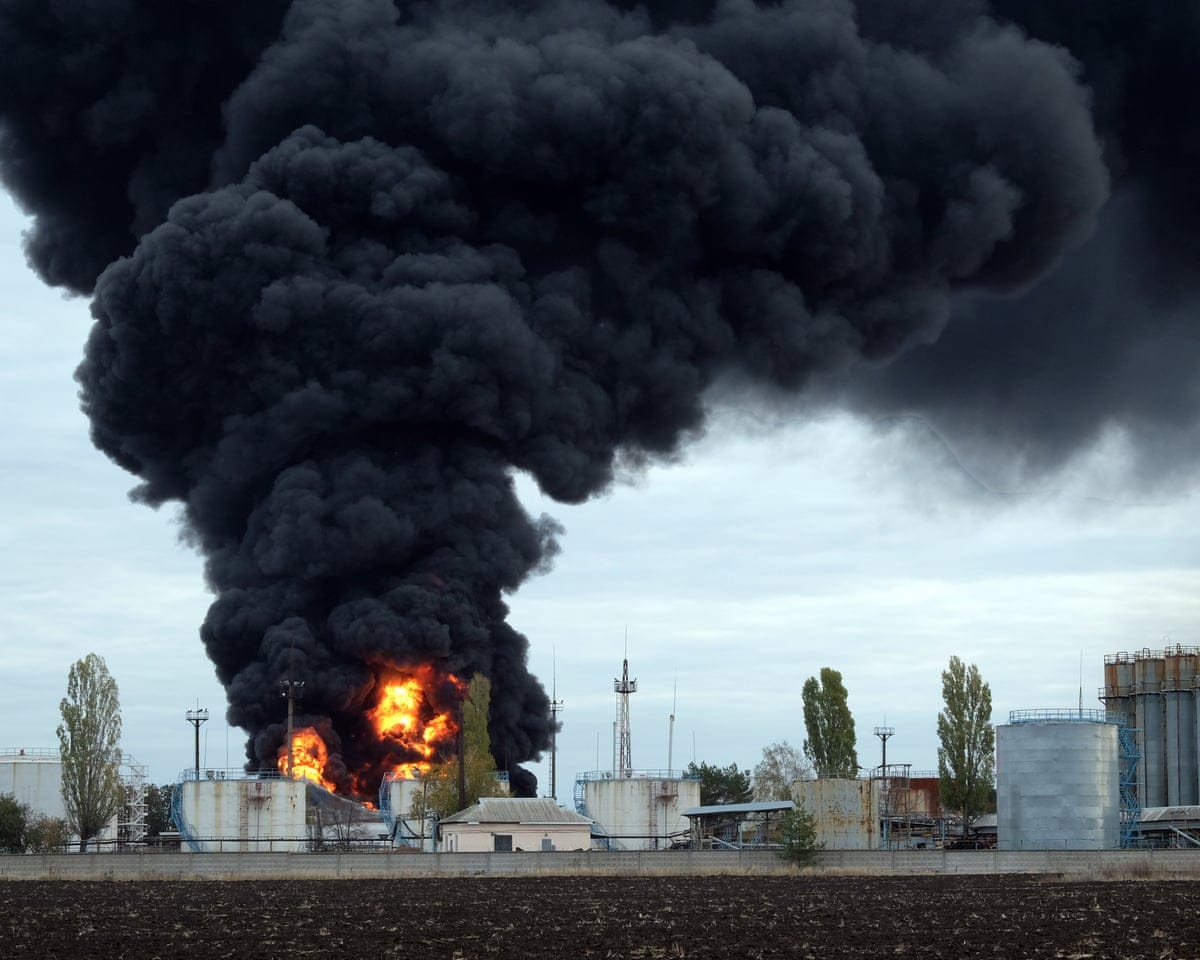
Russia, long known for its self‑sufficiency in natural gas, has begun to bring the commodity across its borders after a series of Ukrainian attacks crippled key refineries and storage facilities. The strikes, which targeted several major processing plants and depot complexes, sharply reduced the nation’s output and left large parts of the domestic market scrambling for fuel.
In response, Russian authorities have arranged for gas imports from neighboring countries, a move that marks a notable departure from the country’s usual export‑oriented stance. Logistics teams are coordinating deliveries via pipelines and rail, aiming to fill the gaps left by the damaged domestic infrastructure. While officials have not disclosed exact volumes, the imports are described as “temporary measures” to stabilize supply until repairs can be completed.
The development underscores the broader impact of the conflict on Russia’s energy sector. Since the war began, Ukrainian forces have increasingly focused on undermining Russia’s ability to process and store fuel, a strategy that has forced Moscow to reconsider its long‑standing energy policies. Analysts note that the shift could have ripple effects on regional gas markets, especially if the imports continue beyond the immediate emergency.
Consumers in several Russian regions have already reported pump queues and higher prices, reflecting the strain on the supply chain. The government has urged citizens to conserve fuel and has promised accelerated repairs to the damaged facilities. However, the extent of the damage and the time required for full restoration remain uncertain.
International observers are watching the situation closely, as Russia’s turn to import gas may alter the dynamics of global energy trade. The move highlights how the conflict continues to reshape the strategic calculus of both the Russian state and its trading partners.