Ultrahuman secures $70M from Qualcomm to fast‑track AI‑powered smart ring
The funding will help the London‑based health‑tech startup build a Qualcomm‑driven wearable that aims to become a full‑fledged computer on a finger.
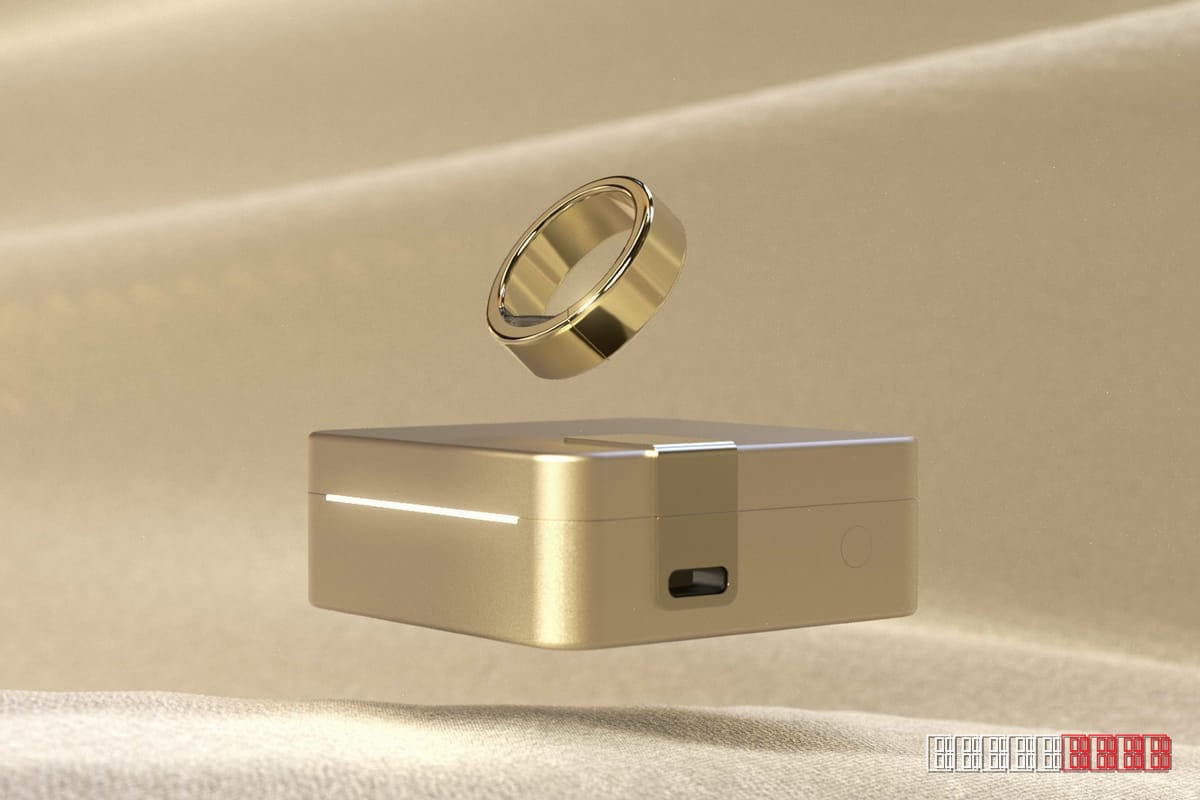
London‑based health‑tech firm Ultrahuman announced a $70 million Series B round led by semiconductor giant Qualcomm, according to TechCrunch. The investment also saw participation from existing backers and a few strategic angels. The capital is earmarked for the development of a new smart ring that integrates Qualcomm’s latest low‑power AI chipset, positioning the device as more than a fitness tracker.
The company has set an ambitious target: reach a $200 million annual revenue run rate by January 2027. To hit that milestone, Ultrahuman plans to roll out a ring that can process health data locally, support voice commands, and run lightweight applications without relying on a paired smartphone. TechCrunch noted that the Qualcomm chip will enable on‑device machine‑learning inference, a step up from current wearables that merely transmit raw sensor data to the cloud.
The move comes at a time when the wearable market is diversifying beyond smartwatches. Smart rings, first popularized by early‑stage players like Oura and Motiv, have attracted interest for their discreet form factor and continuous biometric monitoring. However, most rings still act as peripheral sensors, sending data to a phone for analysis. Qualcomm’s investment signals a broader industry shift toward edge computing in wearables, allowing more sophisticated analytics to happen directly on the device. This trend aligns with the chipmaker’s strategy to embed its AI capabilities across a range of Internet‑of‑Things products, from earbuds to AR glasses.
If successful, Ultrahuman’s ring could redefine how users interact with digital services. By handling tasks such as activity recognition, sleep staging, and even simple voice‑activated queries on‑device, the ring would reduce latency, improve privacy, and extend battery life compared with cloud‑dependent models. Analysts suggest that such capabilities could open new revenue streams, including subscription‑based health insights and developer ecosystems for third‑party mini‑apps.
The startup aims to begin limited shipments of the Qualcomm‑powered prototype by mid‑2025, with a broader consumer launch slated for early 2026. Market observers will watch closely to see whether the device can achieve the performance needed to justify the “computer on a finger” label while maintaining the comfort and battery endurance that have made rings appealing to health‑conscious consumers.
This report is based on original reporting by TechCrunch. Read the original source →