UN reports unprecedented rise in attacks on aid workers in 2025
The United Nations says 2025 saw a record number of assaults on humanitarian staff, with Gaza remaining the deadliest hotspot for three years running.
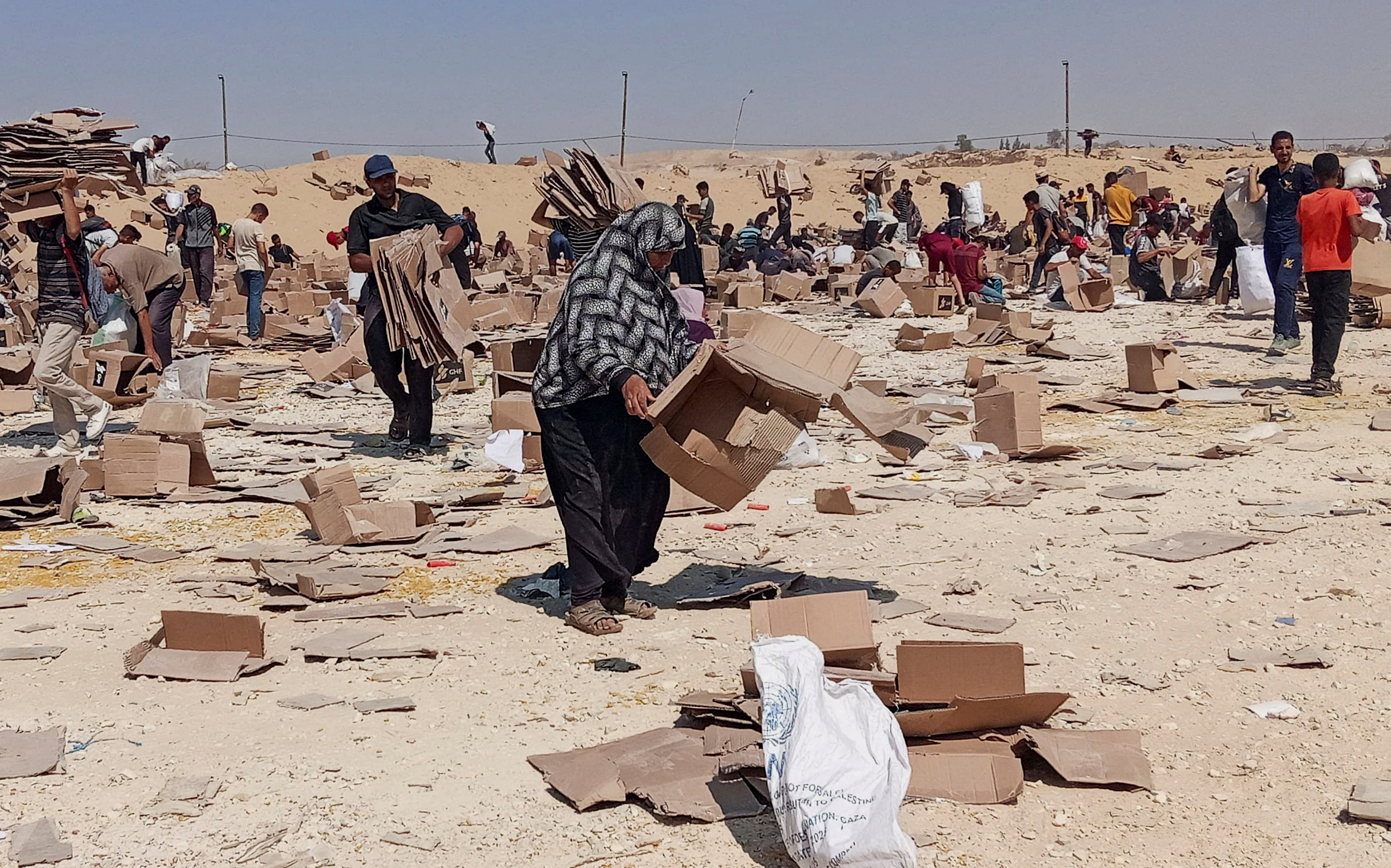
The United Nations has released its annual assessment of violence against humanitarian personnel, revealing that 2025 experienced the highest number of attacks ever recorded. The report, compiled by the UN Office for the Coordination of Humanitarian Affairs (OCHA), indicates that aid workers faced an alarming surge in threats, kidnappings, and lethal assaults across multiple conflict zones.
Gaza emerged as the most perilous environment for humanitarian staff for the third consecutive year. In 2025, 186 aid workers were killed in the enclave, a grim tally that underscores the intensifying risks faced by those delivering food, medical care and shelter amid ongoing hostilities. The UN highlighted that the concentration of attacks in Gaza reflects both the scale of the conflict and the challenges of operating in densely populated, war‑torn areas.
Beyond Gaza, the report notes a broader upward trend in incidents targeting humanitarian teams. While exact global figures were not disclosed, officials said the number of reported assaults rose compared with 2024, signalling a deteriorating security landscape for aid operations worldwide. The UN warned that heightened violence hampers the delivery of essential services, prolongs humanitarian crises and places additional strain on already stretched resources.
OCHA called on all parties to conflict to respect international humanitarian law and to ensure the safety of civilians and aid workers alike. It urged governments, armed groups and peacekeeping forces to adopt concrete measures—such as clear identification of humanitarian convoys, safe passage corridors and rapid response mechanisms—to curb the growing threat.
The findings arrive as donors and NGOs grapple with funding shortfalls and logistical hurdles, prompting calls for a coordinated international response to protect those who risk their lives to assist vulnerable populations. The UN’s stark warning serves as a reminder that safeguarding humanitarian actors is essential to any effective crisis response.