United Russia Secures Dominant Majority in Russian Parliament Amid Heightened Conflict
The ruling United Russia party clinched a super‑majority, bolstering President Vladimir Putin’s legislative grip as Ukraine’s counter‑offensives intensify.
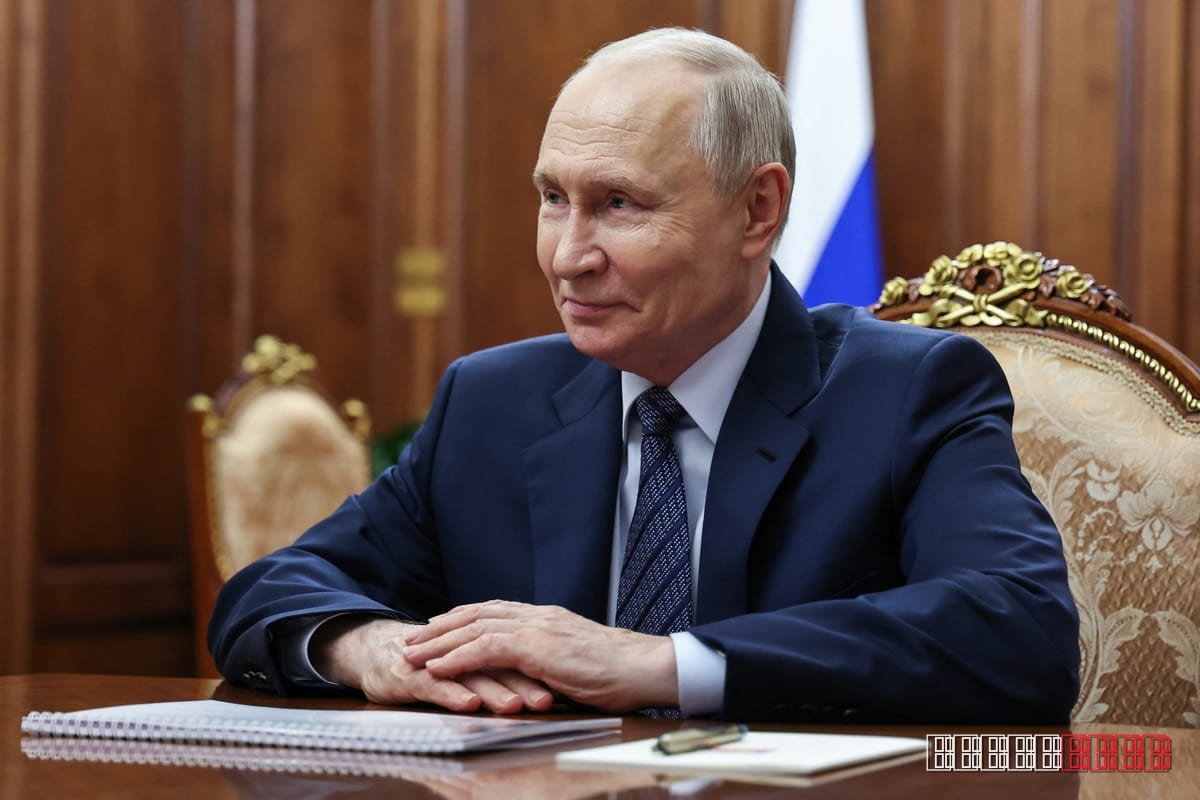
The latest parliamentary vote in Russia has delivered United Russia a decisive super‑majority, giving President Vladimir Putin a firm foothold in the State Duma, Al Jazeera reported. The party captured more than two‑thirds of the 450 seats, surpassing the threshold needed to amend the constitution without opposition support. Voter turnout was reported at around 57%, with United Russia winning roughly 55% of the popular vote, according to the official election commission.
Opposition figures, many of whom were barred from the ballot or faced legal obstacles, contested the fairness of the process. International observers from the Organization for Security and Co‑operation in Europe (OSCE) declined to send a monitoring mission, citing restrictions imposed by Russian authorities. Critics argue that the result reflects a tightly controlled political environment rather than a genuine expression of public will.
The election outcome arrives at a volatile moment in the ongoing war between Russia and Ukraine. Kyiv’s recent counter‑offensives have recaptured several settlements in the eastern Donbas region, prompting Moscow to intensify its military campaign. Analysts note that the war’s growing unpopularity at home has not yet translated into significant electoral backlash, as state‑run media continue to frame the conflict as a defensive operation.
Historically, United Russia has enjoyed overwhelming majorities since the early 2000s, enabling constitutional changes such as the 2020 amendment that reset Putin’s presidential term limits. The current super‑majority grants the party the power to pass legislation, approve budgets, and potentially alter the constitution again without needing support from smaller parties. This concentration of power raises concerns about the durability of Russia’s limited political pluralism and the prospects for any meaningful policy shift.
The broader international community has condemned the election as lacking transparency. The United States and European Union have reiterated sanctions targeting Russian officials and entities linked to the war effort, while urging Moscow to pursue a diplomatic resolution. For ordinary Russians, the combined effect of war fatigue, economic strain, and limited political choice may shape public sentiment in the months ahead, though any shift in the political landscape appears unlikely under the current parliamentary configuration.
The new Duma convenes next week, where United Russia is expected to prioritize legislation that supports the war effort, strengthens state security agencies, and consolidates economic controls. Observers will watch closely for any moves that could affect the trajectory of the conflict or domestic reforms.
This report is based on original reporting by Al Jazeera. Read the original source →