UPSC prelims under fire as 27 questions called ambiguous or wrong
Candidates and legal experts question the clarity of UPSC prelims items on topics ranging from the Rigvedic era to modern legal procedures.
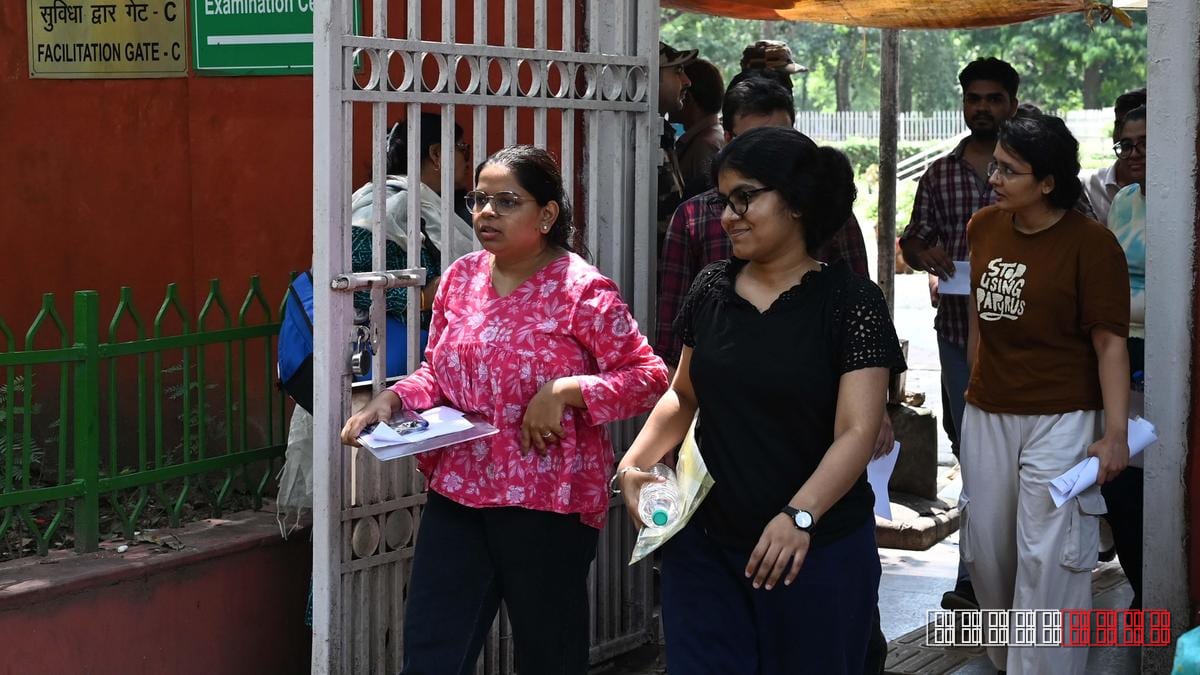
A group of aspirants has lodged formal objections to 27 multiple‑choice questions in the Union Public Service Commission’s (UPSC) recent preliminary exam, saying the items suffer from vague wording or factual errors. The concerns, highlighted in a petition filed with the Supreme Court, span subjects as diverse as the Rigvedic period, the legal concept of a zero FIR, and the rules governing Grand Slam tennis tournaments. The Hindu reported that the petitioners seek a review of the contested questions and, if necessary, a re‑evaluation of the answer key.
The disputed items were identified after candidates compared the official answer key with standard textbooks and legal statutes. For example, one question on the Rigvedic era allegedly offered an answer that conflicted with widely accepted scholarly timelines, while another on zero FIR – a police procedure allowing a case to be registered without a formal report – was said to misinterpret the provision under the Indian Penal Code. A third question dealing with tennis rules was flagged for conflating the scoring system of Grand Slam events.
Two separate petitions have also been filed before the Court of Arbitration for Sport (CAS), seeking clarification on the treatment of sports‑related questions in the civil service exam. The aspirants argue that the inclusion of such niche topics without clear guidance undermines the fairness of a test meant to assess administrative competence.
The UPSC conducts the prelims as a screening stage for millions of candidates each year, with the exam’s credibility hinging on the precision of its questions. Historically, the commission has faced occasional criticism over ambiguous wording, prompting periodic revisions of its question‑setting processes. The current controversy arrives at a time when the government is emphasizing merit‑based recruitment, making any perceived lapse in exam integrity a matter of public interest.
If the Supreme Court or CAS were to order a re‑examination of the flagged questions, it could set a precedent for greater scrutiny of civil service examinations. Such a development would likely compel the UPSC to adopt more rigorous validation mechanisms, potentially involving external subject‑matter experts to vet questions before they are finalized.
The outcome of these legal challenges remains uncertain, but the episode underscores the high stakes for aspirants and the importance of transparent, accurate assessment tools in India's competitive bureaucratic entry system.
This report is based on original reporting by The Hindu. Read the original source →