US Army Deputy Steps Down Amid Ongoing Leadership Turmoil
Dan Driscoll will leave his post after months of friction with Pete Hegseth, deepening a vacancy at the top of the Army.
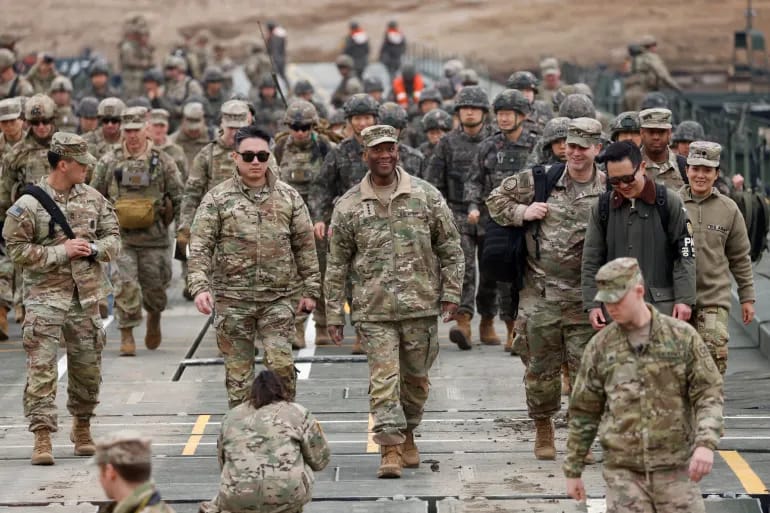
The United States Army is set to lose another senior commander as Dan Driscoll announces his departure following a protracted dispute with senior official Pete Hegseth. Driscoll’s exit adds to a string of high‑level exits that have left the Army without a Senate‑confirmed chief for several months.
The tension between Driscoll and Hegseth, which has been reported to span several months, culminated in the decision for Driscoll to step aside. The exact nature of their disagreement has not been disclosed, but the development underscores an ongoing leadership vacuum that began when Hegseth removed Army Chief of Staff General Randy George in April. Since that removal, the Army has operated without a Senate‑confirmed chief, relying on acting officials to steer day‑to‑day operations.
Analysts note that such instability at the highest echelons could have ripple effects on the Army’s strategic priorities, including its growing partnership with India. Over the past year, the United States and India have deepened defense cooperation through joint exercises, technology sharing, and increased troop deployments. Continuity in senior leadership is often cited as essential for maintaining the momentum of such bilateral initiatives.
Defense officials in Washington have emphasized that the Army’s institutional framework remains intact despite the personnel churn. Nonetheless, the absence of a confirmed chief may delay decisions on force posture, procurement, and overseas engagements. The Department of Defense is expected to nominate a successor for the chief’s role soon, while an interim arrangement will likely keep Driscoll’s responsibilities covered.
The situation highlights broader challenges within the Pentagon as it navigates leadership transitions while managing a complex global security environment. For India, a stable US Army command could be crucial as both nations coordinate on Indo‑Pacific strategies and counterbalance regional threats.
As the Army works to fill the vacancy, observers will watch closely how the new leadership dynamics influence ongoing US‑India defense collaborations and the broader agenda of maintaining readiness across multiple theaters.