US removes Afghan‑linked detainee, sends them to war‑torn Central African Republic
A person related to Afghan nationals who supported U.S. forces was deported to the conflict‑ridden Central African Republic despite holding protected status.
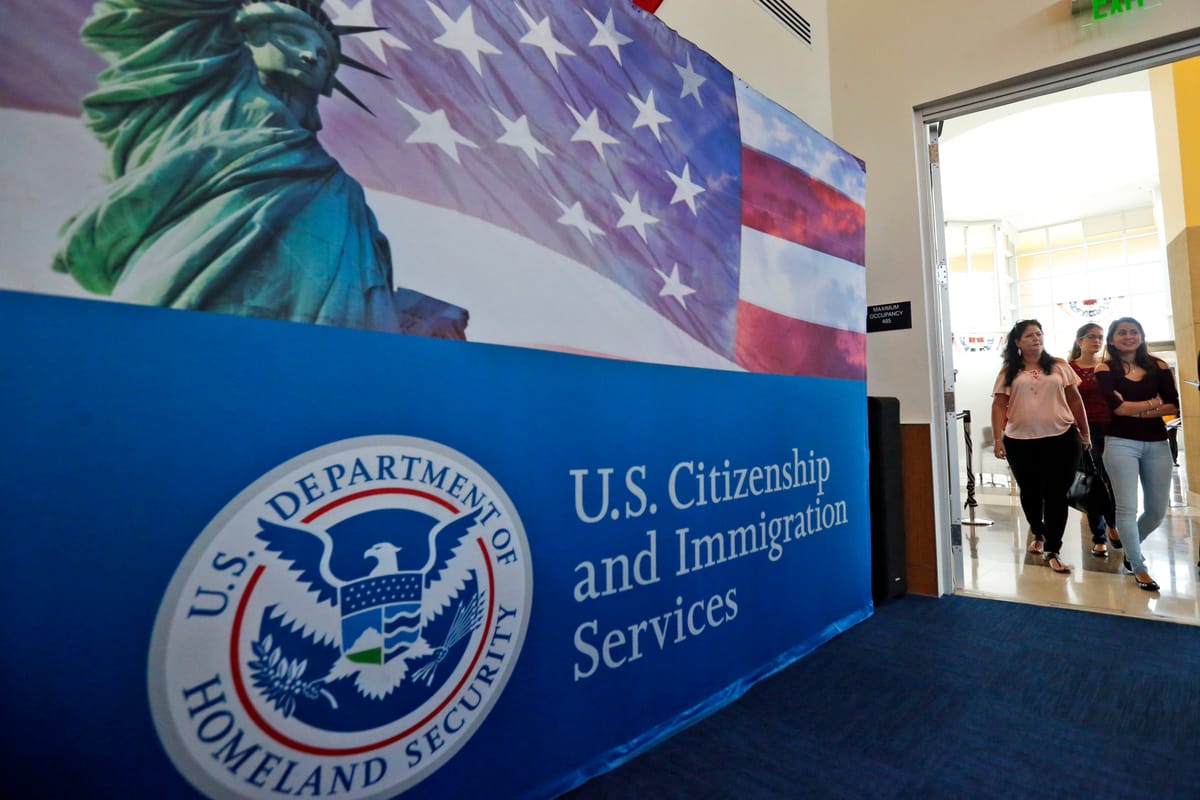
U.S. immigration officials have deported an individual connected to Afghan nationals who assisted American military operations, relocating the person to the Central African Republic (CAR). The deportee, who previously received protection under U.S. immigration law, was among a group of dozens sent to the war‑scarred African nation.
The removal took place amid a broader wave of expulsions targeting individuals from volatile regions. While the exact legal basis for the deportation has not been disclosed, officials confirmed that the person’s ties to Afghans who collaborated with U.S. forces were a factor in the decision. The Central African Republic, plagued by ongoing armed conflict and humanitarian crises, presents a stark contrast to the safety the individual once enjoyed in the United States.
Human‑rights advocates have expressed concern over the move, noting that deporting someone to a country with active hostilities may expose them to severe risk. They argue that the protection status previously granted should have shielded the individual from removal, especially given the precarious security situation in CAR.
U.S. authorities, however, maintain that the deportation complies with existing immigration statutes and that each case is evaluated on its merits. They emphasize that the process includes thorough security assessments and that the individual was provided with the opportunity to contest the removal.
The incident highlights the complex intersection of immigration policy, national security considerations, and humanitarian obligations. As the United States continues to grapple with its approach to refugees and protected persons from conflict zones, the case underscores the challenges of balancing legal frameworks with the realities faced by those displaced by war.