US warns of rapid escalation, issues broad Middle East travel advisory
The State Department cautions citizens against non‑essential travel to several Middle Eastern nations amid heightened Houthi attacks and Iran‑Israel tensions.
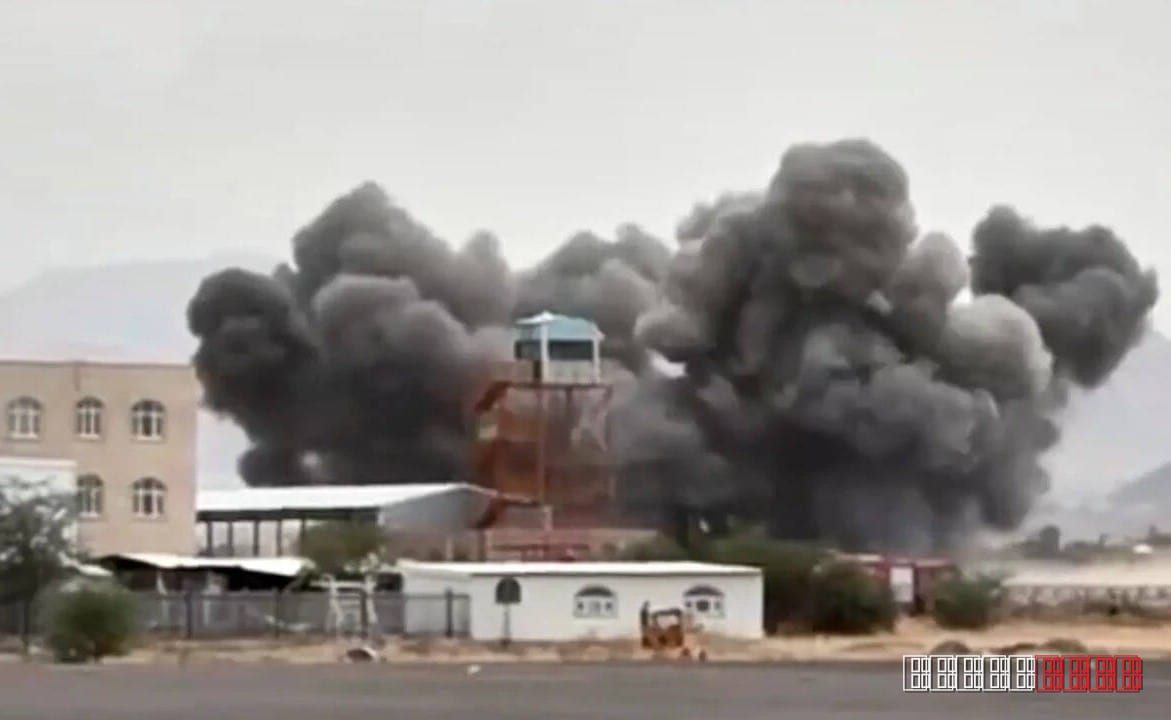
The United States has rolled out a sweeping travel advisory covering much of the Middle East, warning that the regional conflict could "escalate rapidly," according to the Times of India. The alert urges American citizens to reconsider any non‑essential trips to Iran, Iraq, Syria, Yemen, Lebanon, Gaza and other hotspots, and to register with the nearest U.S. embassy for real‑time updates.
The advisory cites a surge in Houthi missile and drone strikes targeting commercial shipping in the Red Sea and Gulf of Aden, as well as a sharp uptick in hostile rhetoric between Tehran and Jerusalem. These developments, the Times of India reports, have heightened the risk of sudden military confrontations that could spill over into neighboring countries.
U.S. officials have long used travel warnings to reflect shifting security dynamics, and the current notice follows a series of attacks that began in late 2023. The Houthi movement, which receives backing from Iran, has intensified its campaign against vessels linked to Israel and Western interests, prompting global insurers to raise freight rates and forcing many shipping firms to reroute cargo around the Cape of Good Hope.
For Indian nationals, the advisory carries particular weight. India maintains a sizable diaspora across the Gulf, with millions of workers and tourists regularly traveling to the region. The Indian Ministry of External Affairs typically aligns its own guidance with that of major partners, and Indian airlines have already begun monitoring flight paths for potential disruptions. Trade analysts note that any prolonged instability could affect India's oil imports, which rely heavily on maritime routes passing near the contested waters.
Travel experts advise anyone already in the affected areas to stay in contact with local authorities, avoid large gatherings, and keep copies of identification documents handy. The State Department also recommends that travelers keep abreast of developments through official channels, as the advisory may be revised should diplomatic efforts succeed in de‑escalating the situation.
Historically, such advisories are lifted once hostilities subside and the risk to civilians diminishes. Until then, both U.S. and Indian citizens are urged to prioritize safety, remain vigilant, and heed the guidance of their respective embassies.
This report is based on original reporting by Times of India. Read the original source →