Uzbekistan and India issue joint rebuke of cross‑border terrorism ahead of SCO summit
The two nations elevated ties to a comprehensive strategic partnership and called for coordinated action against terrorist networks.
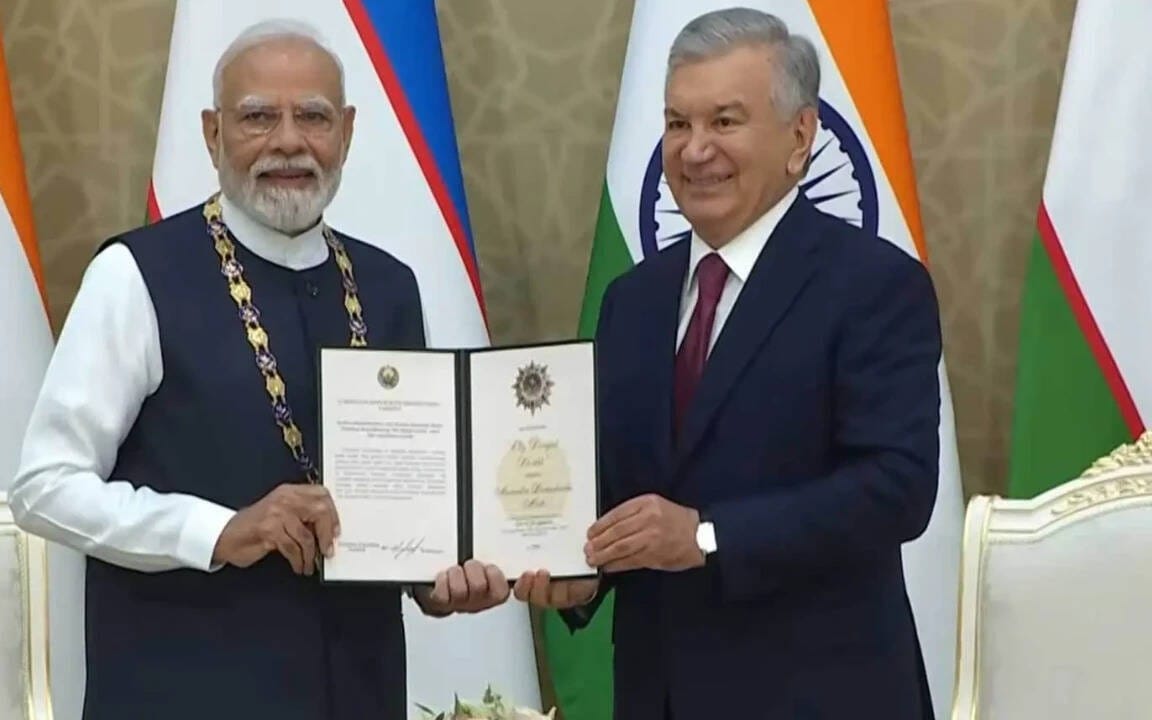
Uzbekistan and India released a joint statement condemning cross‑border terrorism as the Shanghai Cooperation Organisation (SCO) prepares to convene its leaders. The declaration coincides with the two countries upgrading their bilateral relationship to a comprehensive strategic partnership, a move that expands cooperation across defence, economics and technology.
The partnership, announced in recent months, aims to deepen coordination on a range of issues, from trade and investment to intelligence sharing. Both capitals highlighted that the enhanced framework will enable more robust joint exercises, greater interoperability of security forces, and collaborative research in critical sectors.
In the joint communiqué, the foreign ministries of New Delhi and Tashkent unequivocally denounced all forms of terrorism, with particular emphasis on attacks that cross national borders. The statement urged regional actors to take “concerted and decisive” steps to dismantle terrorist organisations, cut off their financing streams, and bring both perpetrators and their sponsors to justice.
The timing aligns with the upcoming SCO summit, where member states—including China, Russia, Kazakhstan and Kyrgyzstan—are expected to review collective security measures. By presenting a united front, Uzbekistan and India signal their readiness to shape the agenda on counter‑terrorism within the multilateral forum, reinforcing the SCO’s role as a platform for regional stability.
Analysts note that the joint condemnation could translate into concrete initiatives such as joint patrols along porous borders, shared intelligence databases, and coordinated legal actions against terror financing networks. If implemented, these steps may strengthen the broader South‑Asian security architecture and set a precedent for deeper collaboration among SCO members.