Venezuelan First Lady Seeks Home Confinement Over Cardiac Illness
Cilia Flores, wife of President Nicolás Maduro, has asked a U.S. court for home detention, citing a deteriorating heart condition that requires specialized care.
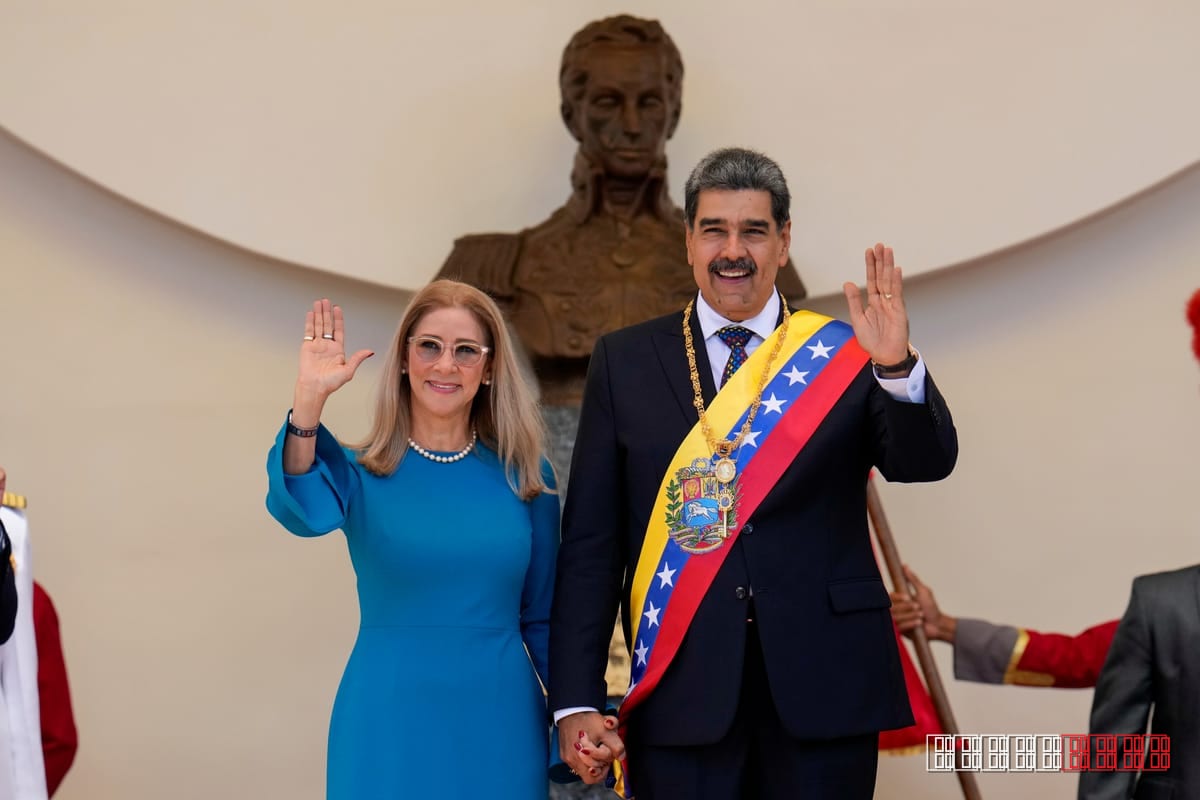
Cilia Flores, the spouse of Venezuelan President Nicolás Maduro, has formally requested that a U.S. federal judge allow her to serve her pre‑trial confinement at home rather than in a detention facility. The petition, filed by her legal team, argues that her worsening heart condition makes continued incarceration untenable.
According to Al Jazeera, Flores’s attorneys contend that the detention centre where she is held cannot provide the cardiac treatment and recovery facilities she needs, stating, “Her lawyers say Flores needs cardiac treatment and recovery facilities a detention centre cannot provide.” The request seeks a compassionate‑release arrangement that would let her remain under house arrest while receiving medical care.
Flores was taken into U.S. custody last year on charges tied to alleged corruption and money‑laundering linked to the Venezuelan government. Her detention has been a recurring point of friction between Washington and Caracas, with Venezuelan officials repeatedly calling for her release and the United States maintaining that the legal process must run its course. The case underscores the broader diplomatic strain that has deepened since the United States imposed sanctions on Maduro’s regime and recognized opposition leader Juan Guaidó in 2019.
U.S. law permits compassionate release for inmates whose health problems are severe enough that incarceration would pose a serious risk to their well‑being. The Bureau of Prisons evaluates such motions based on medical documentation, the nature of the offense, and public safety considerations. Similar requests have been granted in the past for prisoners with terminal illnesses or debilitating conditions, though each case is judged on its own merits.
If a court approves Flores’s request, it could be portrayed as a humanitarian gesture and might ease some of the diplomatic tension surrounding her case. Critics, however, argue that granting home confinement could set a precedent for politically sensitive detainees and may be viewed as yielding to external pressure. The decision will likely be scrutinized by both human‑rights advocates and officials monitoring U.S.–Venezuela relations.
The judge’s ruling is expected in the coming weeks. In the meantime, Flores remains in federal custody, and her legal team continues to press for the medical accommodations they say are essential for her recovery.
This report is based on original reporting by Al Jazeera. Read the original source →