Verizon fiber outage triggers massive flight delays at Newark and Philadelphia airports
A cut to a Verizon fiber line caused FAA equipment failures, grounding hundreds of flights into the New York‑area hubs on Monday, CNBC reports.
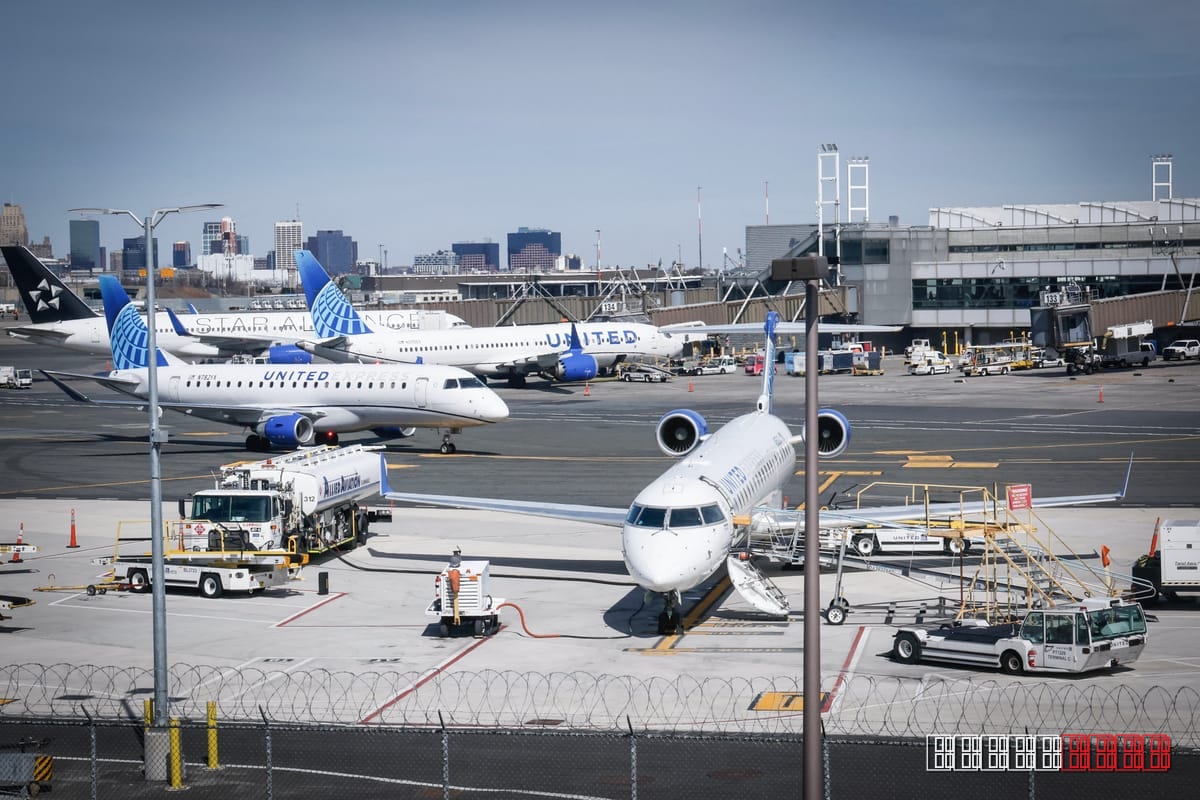
Monday’s air travel chaos in the Northeast stemmed from a single cut to a Verizon fiber optic cable, which knocked out critical FAA equipment serving Newark Liberty International Airport and Philadelphia International Airport. The disruption forced the Federal Aviation Administration to suspend departures and arrivals at both airports, leaving hundreds of passengers stranded, according to CNBC.
The outage began shortly after 9 a.m. local time when technicians discovered the fiber line had been severed, likely during routine construction work. The loss of the data link prevented the FAA’s surveillance and communication systems from operating normally, prompting an immediate safety‑first shutdown of air traffic control functions at the two hubs. Flights scheduled for the morning and early afternoon were either delayed for hours or cancelled outright, with airlines scrambling to rebook travelers on later services.
Airlines such as United, American and Delta issued statements acknowledging the “unforeseen technical issue” and pledged to keep customers updated as the situation evolved. By late afternoon, FAA engineers had restored the fiber connection, allowing limited operations to resume, but the backlog of delayed flights meant many travelers would still miss connections and face overnight accommodations.
Background: The FAA relies on a network of fiber‑optic cables to transmit radar data, flight plans and real‑time communications between control towers and aircraft. Similar infrastructure failures have caused regional disruptions in the past, most notably the 2022 Midwest outage that grounded flights for several hours after a fiber splice was damaged. Because the system is designed with redundancy, a single cut can still cripple operations if it affects a primary conduit, underscoring the vulnerability of air traffic management to physical infrastructure incidents.
The incident highlights the broader risk that telecommunications infrastructure poses to the aviation sector, especially as airlines and airports increase dependence on high‑speed data for everything from navigation to passenger services. Regulators have been urging telecom providers to improve coordination with airport authorities to prevent future cuts, but the rapid pace of urban construction projects continues to present challenges.
Travelers affected by the Monday disruptions were advised to monitor airline notifications and consider alternative transportation options, such as Amtrak or bus services, while the FAA conducts a post‑incident review to assess how quickly the system can be restored in similar scenarios.
This report is based on original reporting by CNBC. Read the original source →