Washington drops Venezuela from U.S. drug‑transit list, Trump cites progress
The United States announced it will no longer classify Venezuela as a major drug‑transit or production nation, a move praised by former President Donald Trump.
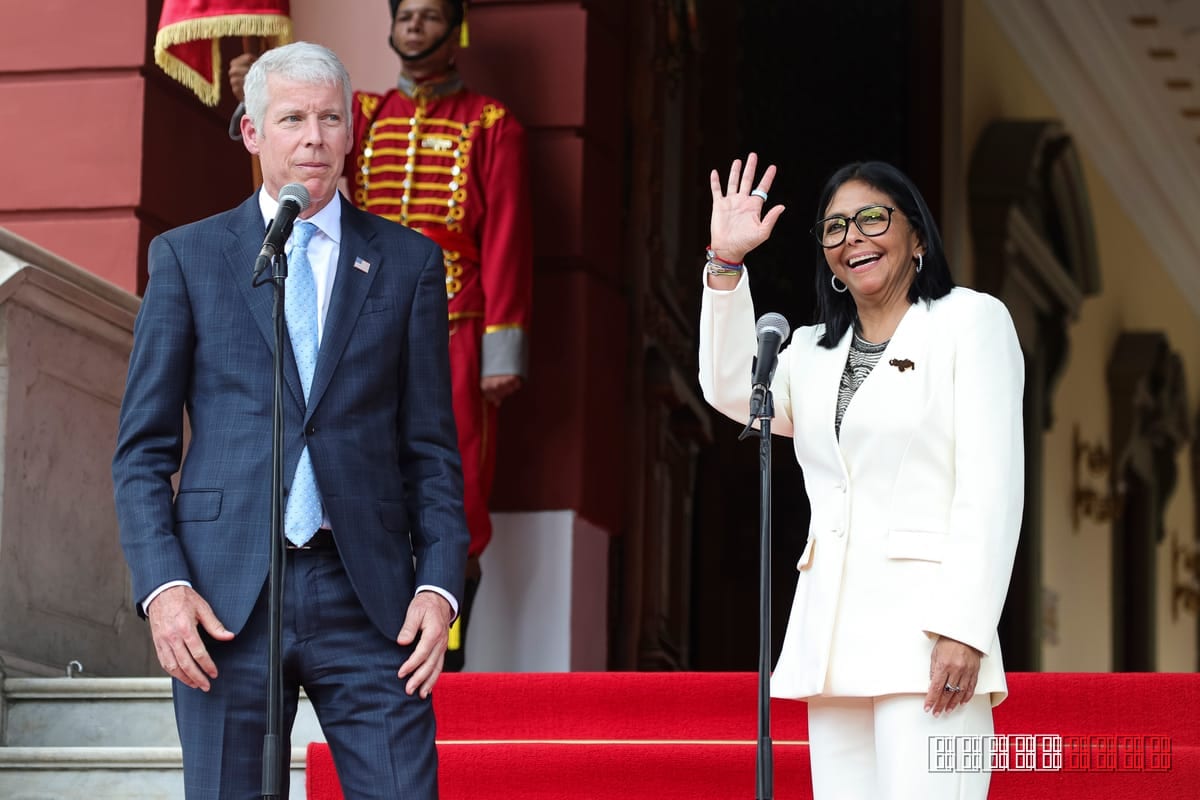
The United States has officially removed Venezuela from its roster of major drug‑transit and production countries, the State Department announced on Friday. Former President Donald Trump welcomed the decision, saying the South American nation has shown “significant progress” in curbing narcotics trafficking since the removal of Nicolás Maduro from U.S. sanctions lists, and hinted that Colombia and Bolivia could face similar delistings.
According to Al Jazeera, Trump’s remarks suggest a broader reassessment of the U.S. drug‑control strategy in the region, though no formal timeline was provided for any further changes. The announcement follows a series of diplomatic overtures between Washington and Caracas that began earlier this year, including limited talks on humanitarian aid and migration.
The U.S. maintains a list of countries deemed primary sources or corridors for illicit drugs, a tool that shapes foreign aid, law‑enforcement cooperation, and trade restrictions. Historically, Venezuela has been flagged for its role as a conduit for Colombian cocaine destined for North America and Europe. Being on the list can trigger heightened scrutiny of financial flows, stricter customs inspections, and eligibility constraints for U.S. development assistance.
Removing a nation from the list does not erase past allegations but signals a shift in policy emphasis. Analysts note that the decision could open the door to renewed economic engagement, potentially easing sanctions that have crippled Venezuela’s oil sector. However, critics warn that without robust verification mechanisms, the delisting may be premature and could undermine regional anti‑narcotics efforts.
The broader context includes a long‑standing U.S. focus on curbing cocaine production in the Andean region, with Colombia and Bolivia traditionally at the center of that effort. If Washington were to extend delistings to those countries, it would mark a significant departure from decades‑old policy, reflecting a possible pivot toward diplomatic incentives over punitive measures.
The impact on Venezuelan citizens could be mixed. While the removal may improve access to humanitarian aid and reduce banking obstacles, the country still faces a severe economic crisis and ongoing allegations of corruption within its security forces. International observers will be watching closely to see whether the promised progress translates into measurable reductions in drug‑related violence and trafficking.
The move also arrives at a time when the United States is reassessing its broader foreign‑policy priorities in Latin America, balancing concerns over drug trade, migration, and geopolitical competition with China and Russia. How this recalibration will affect future cooperation on narcotics control remains to be seen.
This report is based on original reporting by Al Jazeera. Read the original source →