Western disturbances drive most of winter air‑quality swings in north India
A new study attributes 70% of the yearly change in winter pollution across northern India to the frequency of western disturbances.
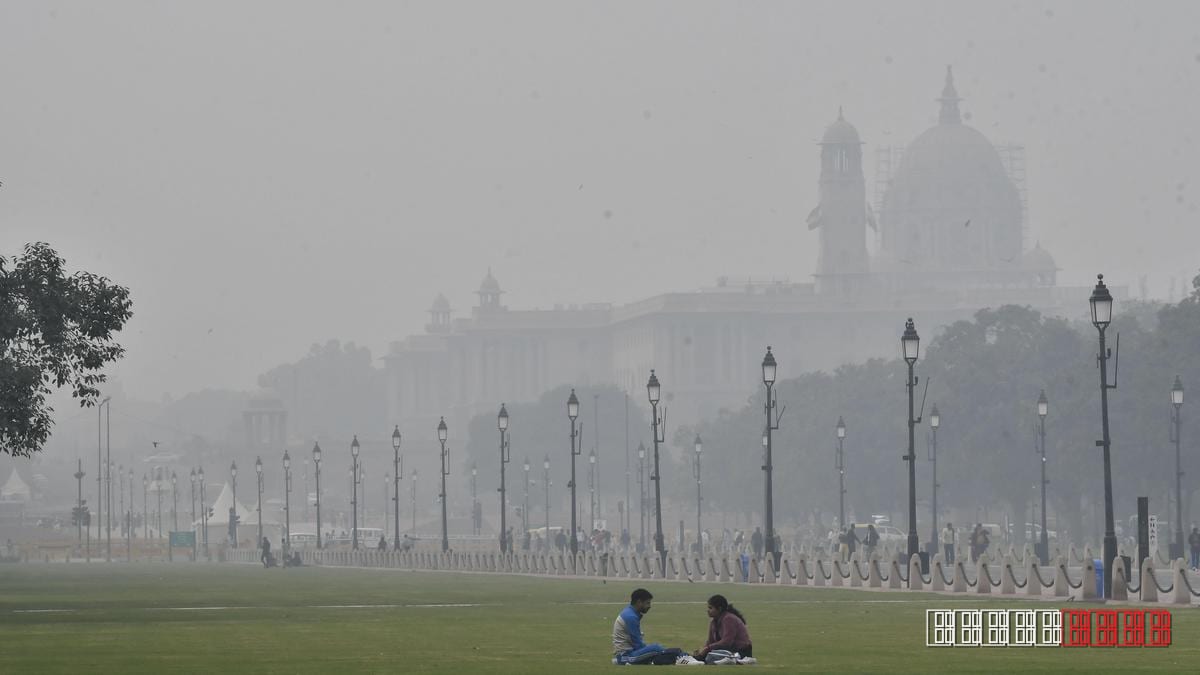
A recent analysis highlighted by The Hindu reveals that western disturbances are responsible for roughly 70% of the annual variation in winter air quality across northern India. The research shows that seasons marked by a higher count of these extratropical storms tend to register lower concentrations of particulate matter and other pollutants.
The investigators examined satellite‑derived aerosol optical depth together with ground‑based PM2.5 readings spanning more than a decade. By correlating these observations with meteorological records of western disturbance events, they quantified the storms’ impact on pollutant dispersion. The study’s authors note that the relationship holds consistently across major urban centers such as Delhi, Lucknow and Chandigarh.
Western disturbances originate over the Mediterranean Sea and travel eastward, bringing moisture, cloud cover and strong winds to the Indian subcontinent during the winter months. When they reach the Himalayas, they trigger snowfall and rain, which in turn break the temperature inversions that often trap pollutants near the surface. This natural “clean‑up” mechanism explains why years with frequent disturbances see clearer skies.
Winter haze has become a chronic challenge for the region, driven largely by crop‑residue burning in Punjab and Haryana, vehicular emissions, and industrial output. The resulting smog poses serious health risks, especially for vulnerable populations. Past mitigation efforts have focused on curbing open burning, but the new findings suggest that atmospheric dynamics play an equally pivotal role in shaping air quality.
Policy makers may use the insight to improve forecasting and issue timely advisories when disturbance activity is low, thereby reducing exposure during high‑pollution episodes. Nonetheless, reliance on weather patterns alone cannot replace sustained emission controls. The study underscores the need for an integrated approach that couples emission reductions with meteorological awareness to tackle winter pollution effectively.
This report is based on original reporting by The Hindu. Read the original source →