Western Michigan chief calls Big Ten replay rules flawed after Michigan win
University president says the conference's timing review needs overhaul following a game‑changing play.
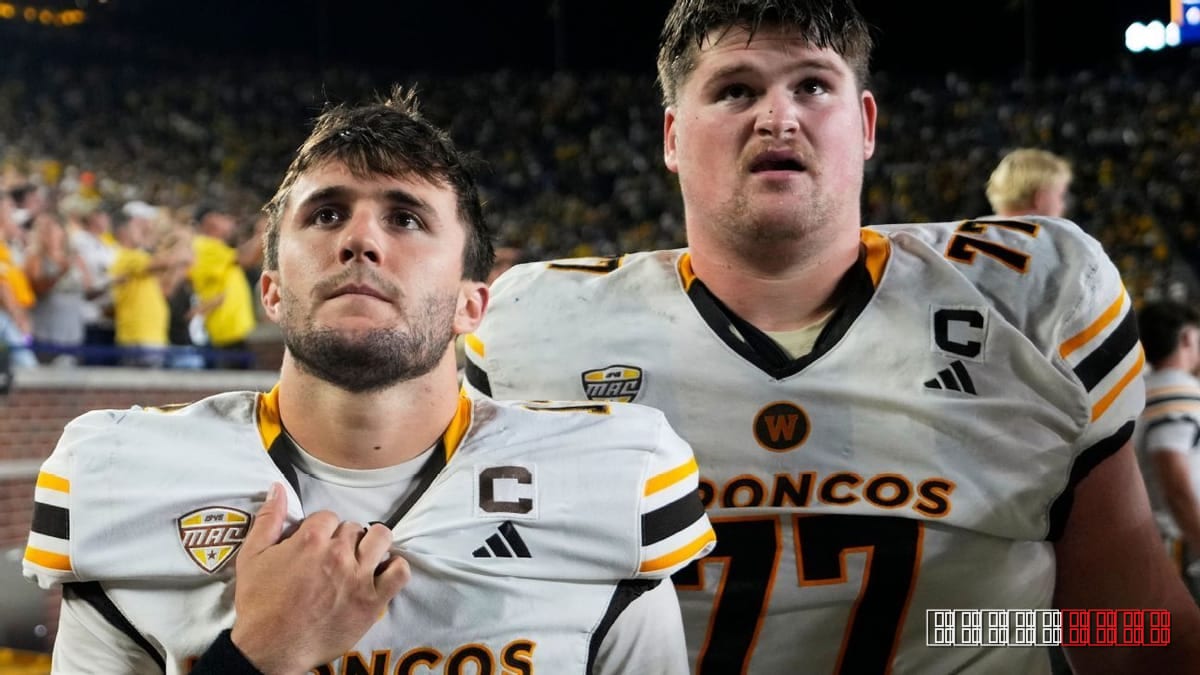
Western Michigan University President Russ Kavalhuna voiced criticism of the Big Ten’s replay protocol after a controversial finish to the Broncos’ game against Michigan. According to ESPN, the conference’s decision to add a second to the clock during a review set up the Wolverines’ touchdown pass that secured the victory.
Kavalhuna told reporters the extra second “is not as good as it could be,” suggesting that the timing mechanism used in the review process may have been misapplied. He did not specify whether the error was procedural or technological, but emphasized that the outcome altered the competitive balance of the match.
The incident occurred in the final moments of the game when Michigan, trailing by a narrow margin, executed a deep pass that resulted in a score after the clock was restarted. The Big Ten’s replay officials reviewed a prior play, and in doing so, reset the game clock to one second remaining, allowing the decisive drive to continue.
College football’s replay system, introduced to improve officiating accuracy, has faced scrutiny in recent seasons. The Big Ten, like other conferences, relies on a combination of on‑field officials and a centralized replay center to review close calls. Critics argue that inconsistent timing adjustments can create unintended advantages, especially in tightly contested games where every second matters.
The controversy adds to a growing list of high‑profile replay disputes that have prompted the NCAA and individual conferences to reevaluate their protocols. In past seasons, similar timing controversies have led to rule clarifications, such as the 2022 amendment requiring a minimum of three seconds on the clock after a review that affects game time. Stakeholders—including coaches, players, and administrators—watch these developments closely, as they can influence game strategy and postseason eligibility.
While the Big Ten has not yet responded publicly to Kavalhuna’s remarks, the university’s leadership hopes the discussion will spark a review of the replay process to ensure fairness across all member schools. The outcome of any potential changes could affect future matchups, especially those decided by narrow margins in the final seconds.
This report is based on original reporting by ESPN. Read the original source →