Wish Town buyers still waiting for handover despite occupancy certificates
Homeowners in Noida's Wish Town project report that lifts and other amenities remain unfinished, delaying possession even after OCs were issued, according to the Times of India.
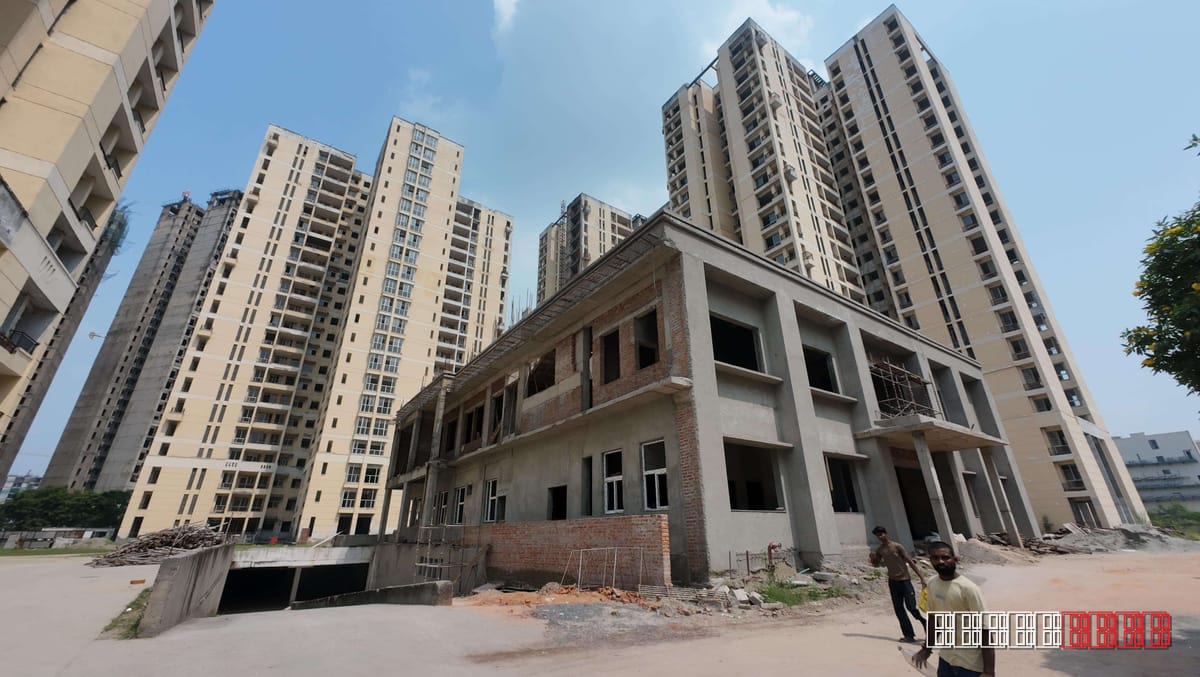
The Times of India reported that the occupancy certificates (OCs) for the Wish Town residential complex in Noida have been formally issued, yet many homebuyers are still unable to take possession of their apartments. The delay stems from the fact that essential amenities – notably the lifts and common‑area facilities – have not been completed, leaving the project in a partially functional state.
According to the newspaper, residents have approached local authorities and the developer, demanding a probe into the implementation of the National Company Law Tribunal (NCLT)‑backed resolution plan that was intended to revive the stalled project. The buyers contend that while the OCs confirm the building meets statutory requirements, the unfinished amenities breach the promised handover terms and affect their ability to occupy the units safely.
In India, an occupancy certificate is a legal document certifying that a building complies with building codes and regulations. However, possession of individual flats can still be withheld if the developer fails to deliver core services such as lifts, water supply, or security systems. This situation is not unique to Wish Town; the country’s real‑estate sector has witnessed a surge in delayed handovers, especially after the 2020 pandemic‑induced slowdown, prompting many homebuyers to seek redress through consumer courts or the NCLT.
The NCLT often steps in when a developer faces insolvency or severe financial distress, crafting a resolution plan that may involve restructuring, asset sales, or new management. While such plans aim to protect creditors and buyers alike, their execution can be uneven, leaving stakeholders like Wish Town’s residents in limbo. Experts note that effective monitoring of the plan’s milestones is crucial to prevent prolonged occupancy gaps.
For the affected buyers, the delay translates into financial strain, as they continue to service loans on properties they cannot occupy. It also raises broader concerns about consumer confidence in the Indian housing market, where timely delivery remains a key metric for developers. Authorities are expected to review the status of the amenities and enforce compliance, ensuring that the issuance of OCs aligns with the practical readiness of the project.
The ongoing impasse underscores the need for stricter oversight of resolution plans and clearer timelines for delivering essential services, a lesson that could shape future regulatory reforms in the sector.
This report is based on original reporting by Times of India. Read the original source →