Xi Jinping absent from Modi's BRICS gala dinner in Delhi
The Chinese president did not join Prime Minister Narendra Modi for the evening banquet at the BRICS summit, prompting analysis of diplomatic cues.
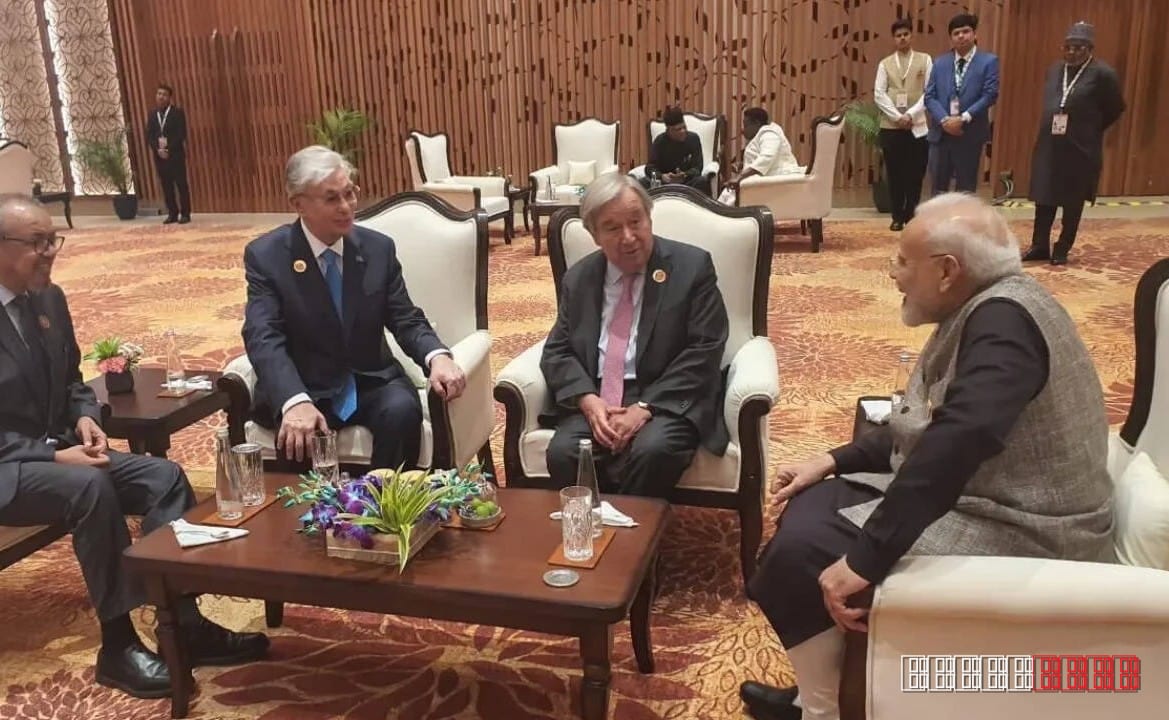
Times of India reported that Chinese President Xi Jinping was not present at the gala dinner hosted by Indian Prime Minister Narendra Modi during the recent BRICS summit in Delhi. While other leaders gathered for the formal banquet, Xi opted to attend a separate bilateral meeting instead, a move that has drawn attention from observers of Indo‑Chinese relations.
The BRICS summit, held from September 13‑15, marked the first time India played host to the grouping of Brazil, Russia, India, China and South Africa. The event featured a series of high‑level talks, cultural showcases and a closing ceremony that traditionally includes a joint dinner for all heads of state. According to the Times of India, the dinner was intended to underscore the bloc’s unity and provide a venue for informal dialogue among the leaders.
Analysts note that Xi’s decision to skip the banquet does not necessarily signal a rupture in the partnership, but it may reflect a nuanced diplomatic calculus. In recent months, India and China have experienced heightened tension over border disputes along the Line of Actual Control, as well as competition for influence in the Indo‑Pacific. Skipping a social event can be a subtle way for a leader to signal displeasure without overt confrontation. The Times of India highlighted that Xi’s schedule included a one‑on‑one discussion with Modi earlier in the day, suggesting that substantive talks were prioritized over ceremonial participation.
Historically, BRICS gatherings have served as a platform for emerging economies to coordinate on trade, development financing and geopolitical issues. The gala dinner, in particular, has been a stage for leaders to project camaraderie and to engage in low‑key networking. When a major participant abstains, it can affect the optics of unity the bloc seeks to convey. Observers will watch whether the absence influences the summit’s final communique or any subsequent bilateral agreements.
The incident arrives as both nations navigate a complex relationship that balances economic interdependence with strategic rivalry. Trade between India and China remains substantial, yet both sides continue to bolster defense capabilities and forge alliances with other regional powers. The Times of India’s coverage underscores that while the dinner was missed, diplomatic channels remain open, and the broader trajectory of BRICS cooperation will depend on how such symbolic gestures are interpreted in the coming months.
This report is based on original reporting by Times of India. Read the original source →