Xi Jinping travels to India for BRICS meeting as global conflicts dominate agenda
Chinese President Xi arrives in New Delhi for the BRICS summit, where wars in Ukraine and the Middle East and energy security are set to shape discussions.
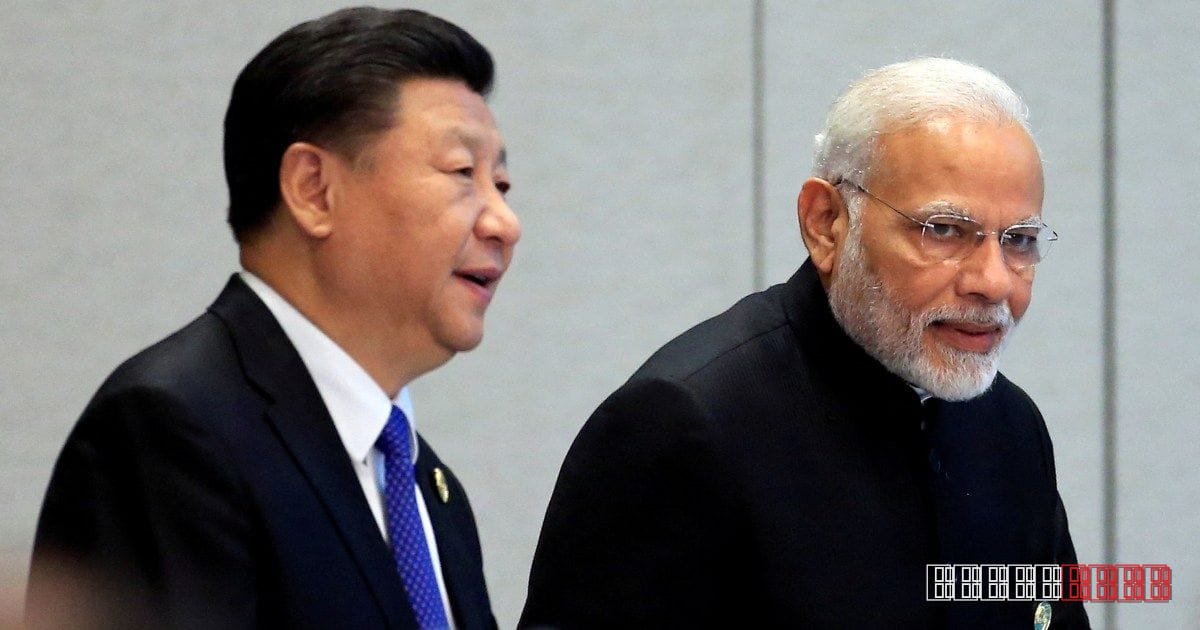
Chinese President Xi Jinping is set to land in New Delhi next week for the upcoming BRICS summit, the first time the leader will attend the gathering on Indian soil. The meeting, scheduled for mid‑September, will bring together heads of state from Brazil, Russia, India, China and South Africa, along with several newly admitted members. Al Jazeera reported that Xi’s itinerary includes talks with Indian Prime Minister Narendra Modi and a series of bilateral meetings with other leaders.
According to Al Jazeera, the agenda is likely to be dominated by two protracted wars – the conflict in Ukraine and the fighting in the Middle East – as well as concerns over global energy security. Delegates are expected to debate how sanctions, supply chain disruptions and volatile oil prices are reshaping the world economy, and whether the BRICS bloc can offer an alternative financing framework.
The BRICS grouping, founded in 2009, has evolved from a loose coalition of emerging economies into a platform that challenges the dominance of Western financial institutions. In 2025 the bloc expanded to include six new members, a move intended to broaden its geopolitical reach. Xi’s visit to India is notable because high‑level exchanges between Beijing and New Delhi have been infrequent since the 2020 border standoff, with the last presidential visit occurring in 2019. Hosting the summit signals India’s ambition to play a more central role in reshaping multilateral cooperation.
Analysts note that the ongoing wars could test the cohesion of the BRICS alliance. While Russia and China share a common stance on sanctions, India has maintained a more balanced approach, keeping economic ties with the West. Energy security, another focal point, may drive cooperation on renewable projects and joint investments in alternative fuel sources, areas where the bloc has expressed interest in reducing reliance on Western markets.
Observers expect the summit to serve both as a diplomatic showcase and a practical forum for addressing shared challenges. If discussions yield concrete proposals on finance, trade or energy, the outcomes could influence global policy beyond the member states. However, the shadow of external conflicts means that any consensus will have to navigate divergent national interests, making the New Delhi meeting a litmus test for the future relevance of BRICS.
This report is based on original reporting by Al Jazeera. Read the original source →