Yemeni Military Strikes Houthis as Saudi Arabia Appeals for Missile Shield
Amid escalating clashes, Yemen’s forces have hit Houthi positions while Riyadh asks allies for air‑defence aid, and Washington says it will not deploy troops directly.
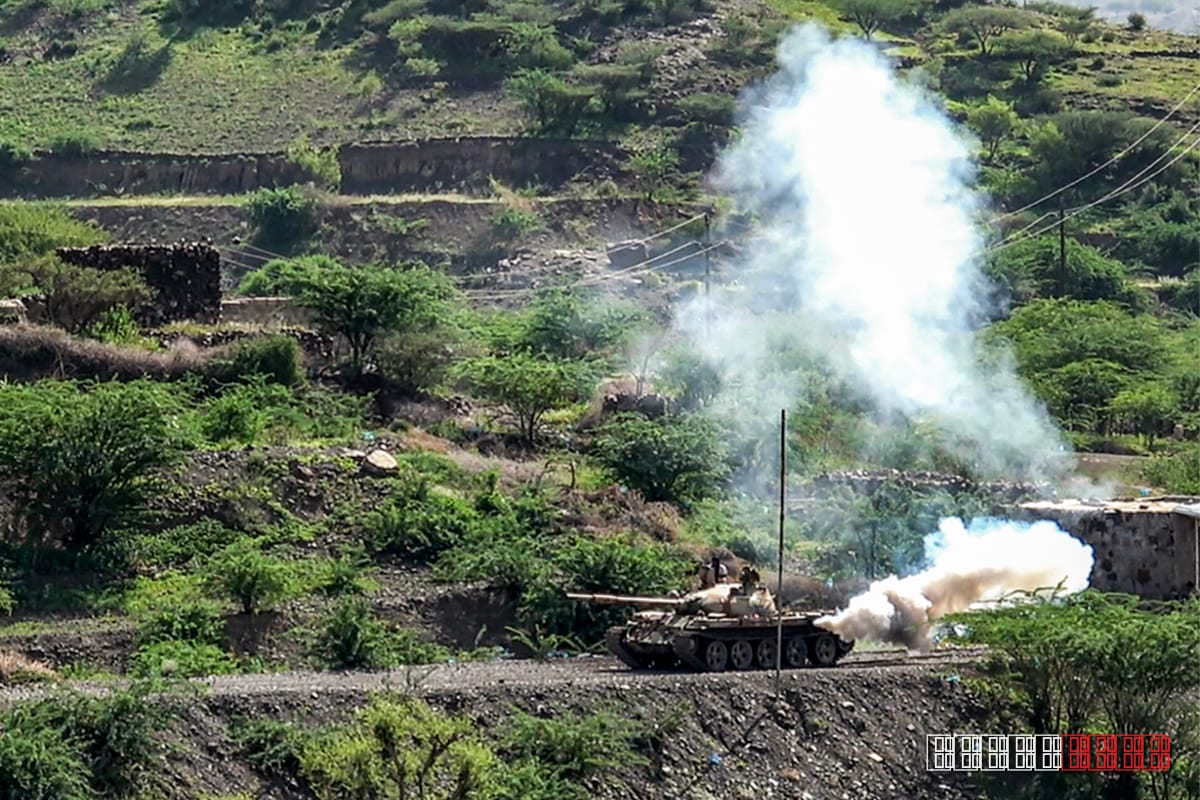
Yemen’s government‑aligned troops launched artillery and air attacks against Houthi‑controlled areas on Saturday, a move that Al Jazeera reported came as the United States reiterated it will not take a direct combat role in the conflict. The strikes were aimed at weakening the rebel group’s ability to fire rockets toward Saudi territory, according to statements from Yemen’s defence ministry.
The escalation follows a series of cross‑border incidents that have drawn Saudi Arabia deeper into the war. Riyadh, which has been leading a coalition against the Houthis since 2015, said it is seeking additional missile‑defence support from regional partners. Al Jazeera noted that Saudi officials have formally requested the deployment of Patriot and other interceptor systems to protect key installations from Houthi salvos.
The Yemeni civil war, now in its twelfth year, began when Houthi rebels seized the capital, Sanaa, and forced President Abdrabbuh Mansur Hadi to flee. Saudi Arabia and the United Arab Emirates intervened to restore the internationally recognised government, while the United States has provided logistical, intelligence and limited air‑strike assistance over the years. In recent months, the United States has scaled back its involvement, citing concerns over escalating costs and the risk of a broader regional confrontation.
Washington’s latest clarification, cited by Al Jazeera, emphasizes that while the U.S. will continue to supply weapons and intelligence, it will not commit combat troops or conduct direct strikes against the Houthis. The decision reflects a broader shift in U.S. Middle‑East policy, where policymakers are wary of becoming entangled in protracted ground wars.
Saudi Arabia’s request for missile‑defence aid comes at a time when the United States’ own stockpile of interceptors is reportedly running low, a point highlighted by Al Jazeera. The depletion has prompted Riyadh to look to allies such as the United Kingdom, France and Germany for spare systems and technical support. Analysts warn that without a robust shield, Saudi critical infrastructure—including oil facilities and civilian population centres—remains vulnerable to the Houthis’ growing arsenal of short‑range ballistic missiles.
The latest round of fighting underscores the fragile balance of power in the Red Sea corridor, where commercial shipping, energy exports and humanitarian aid routes intersect. As the conflict drags on, the involvement of external powers—whether through direct military action or defensive assistance—will likely shape the next phase of the war and its impact on regional stability.
This report is based on original reporting by Al Jazeera. Read the original source →