Yemeni refugees strain Djibouti's humanitarian resources
An influx of Yemenis fleeing conflict has deepened Djibouti's already fragile aid situation, officials say.
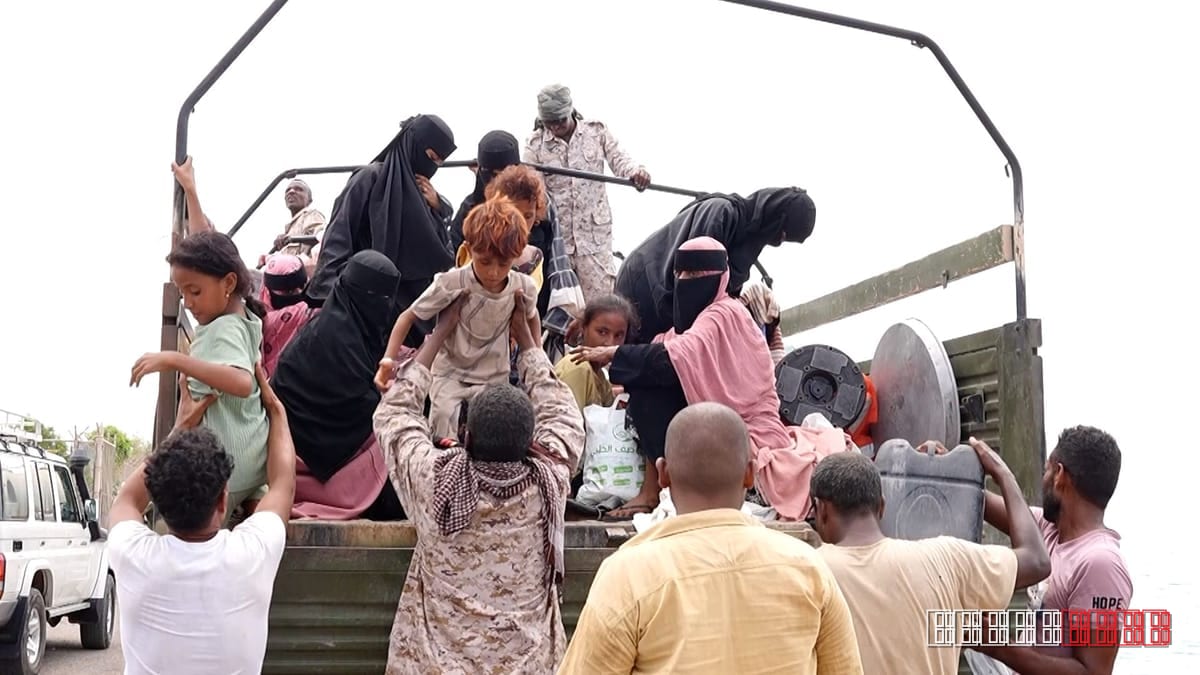
Djibouti is facing a sharp rise in humanitarian needs as people fleeing the war in Yemen arrive on its shores, Al Jazeera reported. The small Horn of Africa nation, which already hosts a sizable refugee population, is seeing its aid agencies stretched thin by the latest wave of arrivals.
According to Al Jazeera, local and international NGOs have warned that the surge in demand is outpacing the limited shelter, food and medical supplies available. Camps that were originally set up for Somali and Eritrean asylum‑seekers are now accommodating families from Yemen, many of whom have endured months of displacement and exposure to conflict‑related trauma.
The situation reflects a broader pattern in the region, where neighboring states become de‑facto safe havens for Yemenis escaping a protracted civil war that has devastated the country's infrastructure and economy. Since the conflict escalated in 2015, the United Nations estimates that over four million Yemenis have been displaced internally, while hundreds of thousands have sought refuge abroad, often in precarious conditions.
Djibouti's strategic location at the mouth of the Red Sea makes it a common transit point for migrants heading toward the Gulf states or Europe. However, its capacity to absorb large numbers of newcomers is limited by its small land area and modest public finances. The United Nations Office for the Coordination of Humanitarian Affairs (OCHA) has previously highlighted Djibouti's vulnerability to sudden influxes, noting that even modest increases can overwhelm local services.
Humanitarian actors are calling for urgent international assistance to expand shelter capacity, improve water and sanitation facilities, and provide mental‑health support for traumatized families. Without additional funding and logistical support, the risk of disease outbreaks and further deterioration of living conditions looms large, potentially destabilising a country already grappling with its own development challenges.
The unfolding crisis underscores the interconnected nature of regional displacement and the need for coordinated responses that address both immediate relief and longer‑term solutions for host communities and refugees alike.
This report is based on original reporting by Al Jazeera. Read the original source →