A Decade‑Long Struggle: The Rohingya Refugee Crisis Marks Nine Turbulent Years
Nine years after the mass exodus, the Rohingya remain trapped in protracted displacement, with humanitarian aid and diplomatic efforts still falling short.
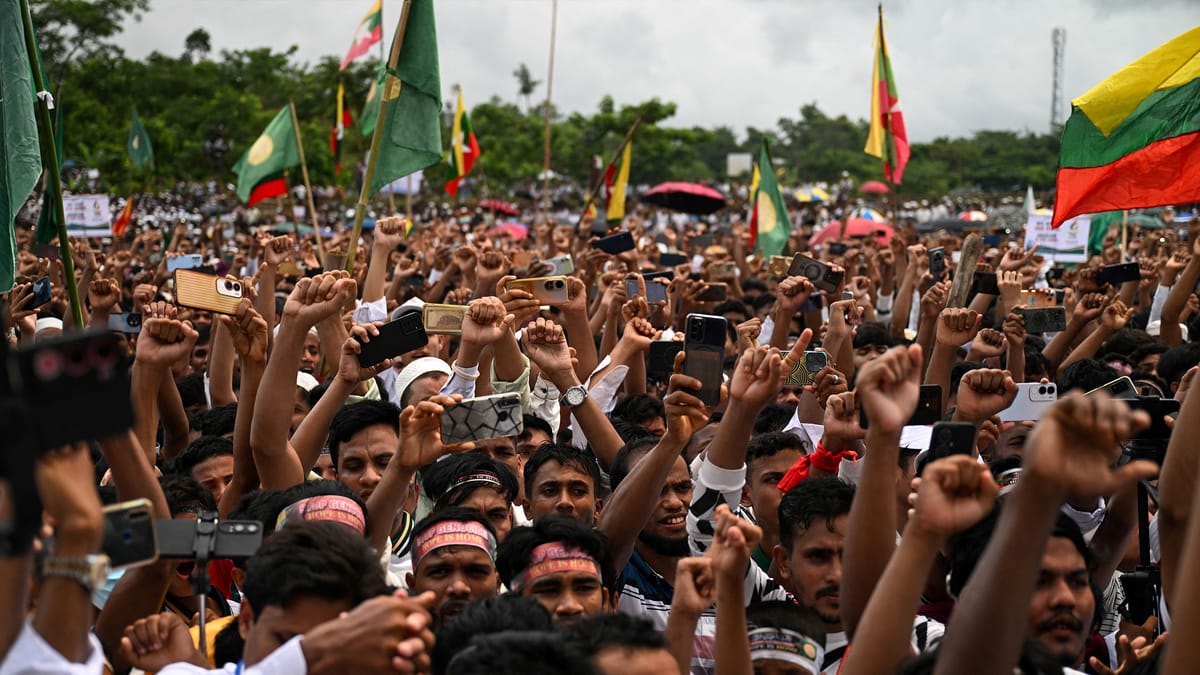
The Rohingya crisis entered its ninth year in 2026, following the 2017 military crackdown in Myanmar’s Rakhine State that forced more than 700,000 people to flee across the border into Bangladesh. The majority of those who escaped have been housed in the sprawling Kutupalong and Balukhali camps in Cox’s Bazar, now home to the world’s largest refugee settlement.
Over the past nine years, the United Nations and a coalition of NGOs have delivered food, shelter, and medical care, yet the camps continue to grapple with overcrowding, limited sanitation, and recurring monsoon‑season floods. Education programs have expanded, reaching tens of thousands of children, but the lack of legal status and restricted movement keep many Rohingya in a state of limbo, unable to secure work or rebuild lives beyond the camp perimeter.
Diplomatic negotiations between Bangladesh, Myanmar, and the international community have produced few concrete outcomes. While Myanmar’s military government has pledged to allow a limited number of repatriations, security concerns and the absence of guarantees for citizenship have stalled any sizable return. Bangladesh, meanwhile, has repeatedly warned that its capacity to host the refugees is finite, urging a durable solution that includes resettlement options in third‑country nations.
Humanitarian funding has fluctuated, with donor fatigue evident as the crisis stretches into a decade. Recent appeals call for renewed financial commitments to address rising needs, especially as climate‑related hazards threaten to exacerbate the already fragile living conditions. The protracted nature of the Rohingya displacement underscores the urgency of a coordinated, long‑term strategy that balances protection, development, and a viable path to either safe repatriation or permanent resettlement.
As the world marks nine years of the Rohingya refugee crisis, the plight of the displaced remains a stark reminder of the challenges in resolving statelessness and mass displacement in the 21st century.