Gaza oxygen crisis deepens as generators fail, hospitals turn to cylinders
With just 12 of 34 oxygen plants still running, Gaza's medical facilities face a severe shortage that threatens patients across the enclave.
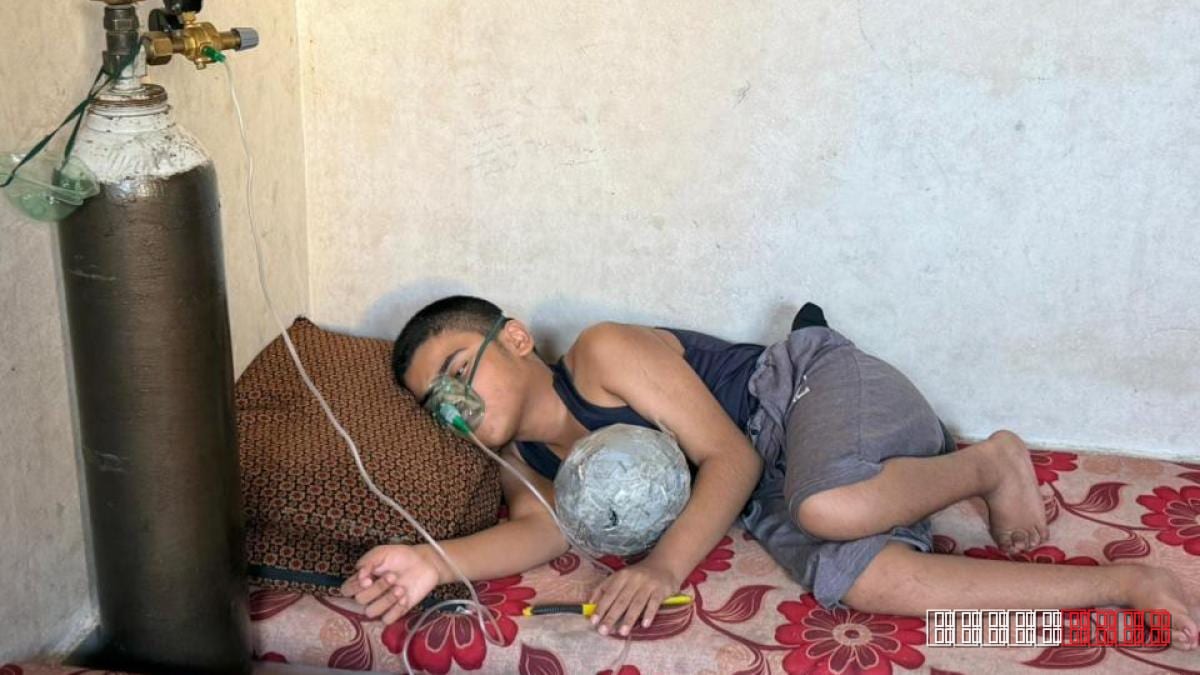
Al Jazeera reported that only 12 of Gaza's 34 oxygen‑generation stations remain operational, a sharp drop that has left hospitals scrambling for portable cylinders to keep patients breathing. The shortfall comes as power outages and damage to infrastructure have crippled the enclave’s ability to produce the medical oxygen needed for intensive care, neonatal units and surgeries.
The remaining functional plants are struggling to meet demand, forcing doctors to prioritize the most critical cases. Many health centres now depend on diesel‑powered oxygen cylinders, which are expensive, limited in supply and require constant refilling. Staff say the situation has forced the postponement of non‑emergency procedures and has heightened anxiety among families of patients with chronic respiratory conditions.
Gaza’s health system has been under pressure for years due to a blockade that restricts the flow of medical supplies and equipment. Repeated rounds of conflict have damaged hospitals, power grids and water networks, leaving the territory vulnerable to crises of this nature. The latest escalation has further strained an already fragile system, with the World Health Organization warning that oxygen shortages could lead to a surge in preventable deaths.
International aid agencies are attempting to fill the gap. The United Nations has arranged shipments of oxygen cylinders by sea and air, while NGOs are coordinating ground deliveries through crossing points that are often subject to security checks and delays. However, the volume of aid remains insufficient to replace the output of the non‑functional plants, and logistical hurdles continue to impede rapid distribution.
Health officials stress that without a sustained flow of oxygen, mortality rates could rise sharply, especially among newborns, COVID‑19 patients and those undergoing surgery. The crisis underscores the broader humanitarian challenges in Gaza, where access to basic medical resources is repeatedly compromised by conflict and restrictions.
Experts argue that a long‑term solution will require the restoration of the damaged oxygen‑generation infrastructure and the lifting of movement restrictions that hamper the import of spare parts and fuel. Until then, hospitals will continue to rely on dwindling cylinder supplies, leaving the health of Gaza’s population hanging in the balance.
This report is based on original reporting by Al Jazeera. Read the original source →