European Far‑Right Parties Strengthen Ties with Moscow Amid Ukraine Conflict
Al Jazeera reports a surge in far‑right influence across Europe, raising concerns over deeper divisions on the Ukraine war and Russian relations.
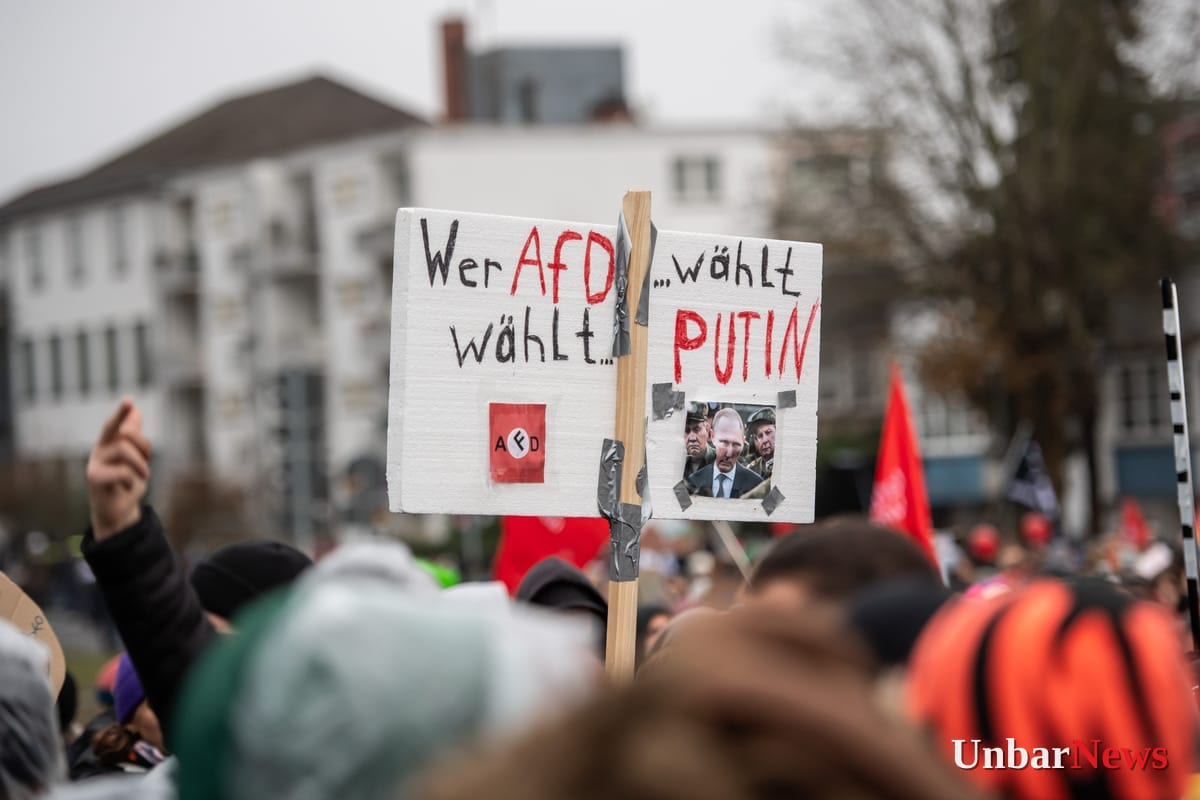
European far‑right movements are increasingly aligning themselves with Russian President Vladimir Putin, a trend that Al Jazeera says could deepen the continent’s split over the war in Ukraine. Recent electoral successes for parties such as France’s National Rally, Germany’s Alternative for Germany (AfD) and Italy’s Lega have given these groups a larger platform to voice pro‑Moscow sentiments, according to the outlet.
The article highlights how several far‑right leaders have praised Putin’s “defence of traditional values” and condemned Western sanctions, positioning Russia as a counter‑weight to what they describe as a liberal European elite. Al Jazeera noted that this rhetorical shift is not merely symbolic; it translates into policy proposals that call for a more conciliatory stance toward Moscow, potentially undermining the unified front that European governments have tried to maintain since Russia’s 2022 invasion of Ukraine.
Historically, Europe’s far‑right has oscillated between nationalist isolationism and opportunistic foreign alliances. The current wave of pro‑Russian sentiment follows a broader pattern where extremist parties exploit geopolitical crises to gain credibility and voter support. By framing Russia as a defender against perceived cultural erosion, these groups tap into anxieties about immigration, economic insecurity and the loss of national sovereignty – issues that have resonated with sizable portions of the electorate in recent years.
The implications extend beyond diplomatic posturing. If far‑right parties succeed in steering national governments toward a softer line on Russia, the continent could see a weakening of sanctions, reduced military aid to Kyiv and a fragmented response to future Russian aggression. Analysts warn that such a shift would also embolden Moscow’s own foreign‑policy playbook, which has historically leveraged divisions within the EU to dilute collective action.
While the far‑right’s rise is a domestic political development, its alignment with Putin underscores a broader challenge for European unity. As Al Jazeera points out, the growing partnership threatens to erode the consensus that has underpinned the EU’s response to the Ukraine war, making it harder to present a coordinated front against Russian ambitions.
This report is based on original reporting by Al Jazeera. Read the original source →