August Sets New Global Heat Benchmark, Scientists Cite Climate Change
Copernicus data show August was the hottest month ever recorded, underscoring the accelerating impact of human‑driven warming.
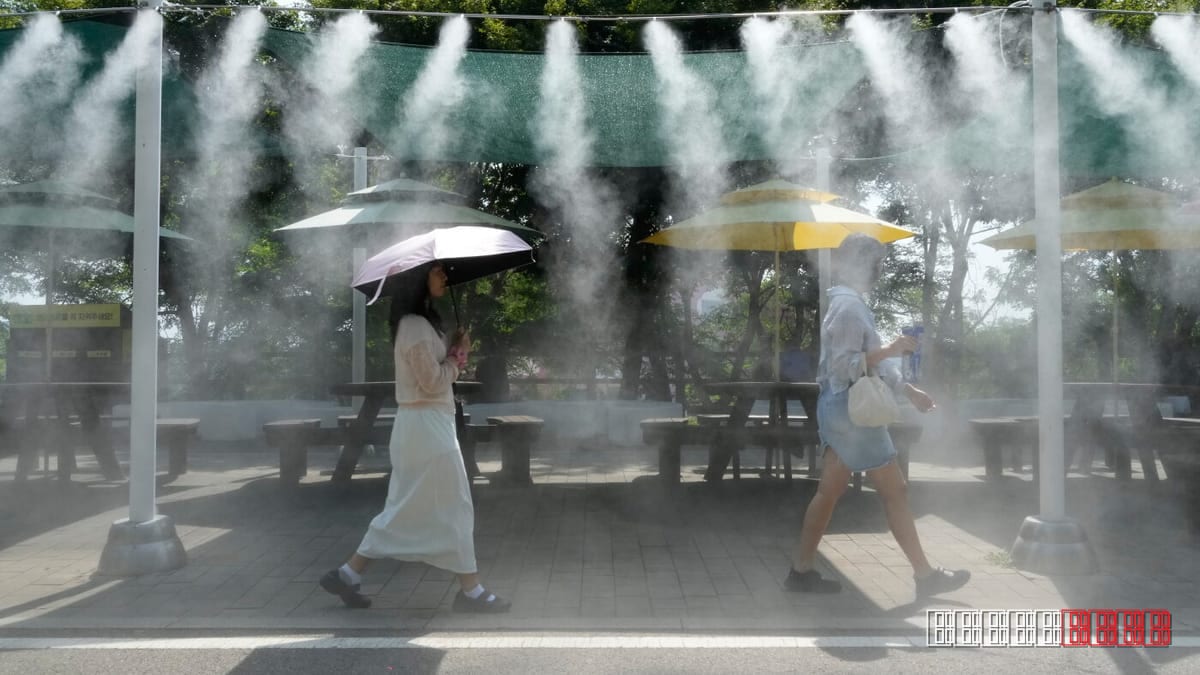
The European climate monitoring agency Copernicus announced that August 2026 was the warmest month in the planet’s instrumental record, according to NPR. Global surface temperatures averaged a degree Celsius above the long‑term baseline, eclipsing the previous monthly high and marking a new milestone in climate data.
Researchers reviewing the Copernicus figures said the surge is overwhelmingly linked to anthropogenic greenhouse‑gas emissions. "The magnitude of the heat we’re seeing is consistent with what climate models have projected for a warming world," NPR reported, noting that the trend aligns with decades of rising carbon dioxide concentrations.
Monthly temperature records are compiled from a network of satellites, weather stations and ocean buoys that have been calibrated since the late 1970s. The satellite era provides the most consistent global coverage, allowing agencies like Copernicus to detect subtle shifts in average heat. August’s reading not only tops the previous record but also continues a pattern of successive months breaking temperature thresholds, a phenomenon scientists say is unprecedented in the modern climate era.
The implications of a record‑breaking month ripple across ecosystems and societies. Heat‑related stress can exacerbate wildfires, strain power grids, and diminish crop yields, particularly in regions already vulnerable to drought. Public health officials warn that prolonged exposure to extreme temperatures raises the risk of heatstroke and cardiovascular events, especially among the elderly and outdoor workers.
Looking ahead, climate analysts expect the upward trajectory to persist unless global emissions are sharply curtailed. The next World Meteorological Organization report, due later this year, will likely reference August’s data as part of a broader assessment of 2026’s heat extremes. Experts stress that while short‑term weather variations are inevitable, the consistent breaking of heat records points to a systemic shift that demands urgent mitigation and adaptation strategies.
This report is based on original reporting by NPR. Read the original source →