AI‑driven ads fuel Israel's right‑wing rhetoric as Gaza conflict escalates
Israeli ministers turn to artificial‑intelligence generated advertisements to intensify anti‑Palestinian messaging ahead of a closely contested October election.
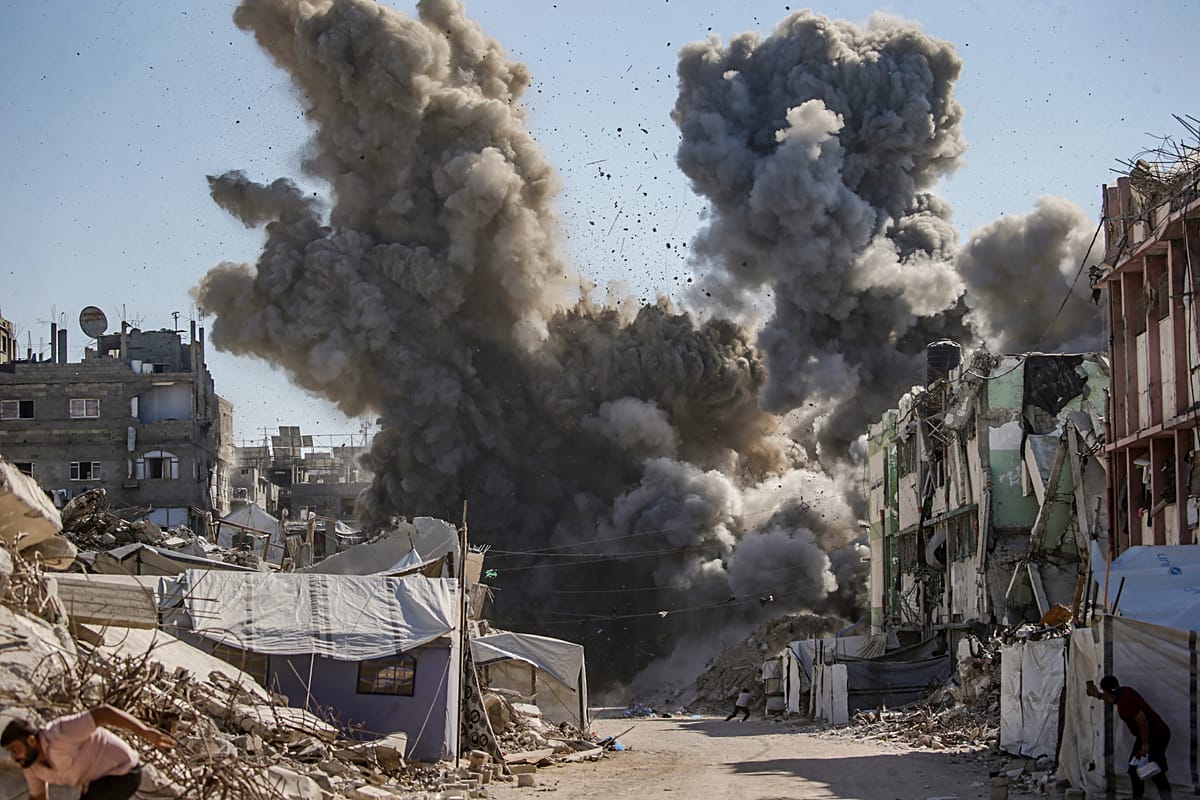
Israel's right‑wing political bloc has stepped up its public messaging in recent weeks, deploying a wave of artificial‑intelligence generated advertisements that target perceived anti‑Palestinian abuses. The ads, crafted by ministries close to the government, blend stark imagery of the Gaza conflict with slogans that portray Palestinian groups as a security threat. By using AI tools, the campaign can quickly produce variations tailored to different media platforms, allowing the narrative to spread rapidly across social networks and broadcast channels.
The timing of the push coincides with an intensification of Israeli airstrikes in Gaza, which have broadened in scope as ground operations resume. Military officials say the expanded strikes aim to degrade Hamas capabilities, while critics warn that civilian casualties are rising. The heightened violence has drawn international attention and heightened domestic debate, creating a charged atmosphere in which political messaging gains additional weight.
Within this context, Israel's upcoming parliamentary election in early October has become a focal point for the right‑wing coalition. Party leaders have framed the conflict as a test of national resolve, urging voters to back candidates who promise a hard line on security and a robust response to Palestinian actions. The AI‑powered ads reinforce this stance, often pairing graphic footage of Gaza with calls to “defend the homeland” and to reject any concessions.
Observers note that the use of AI in political advertising marks a new chapter in the region's information warfare. The technology enables rapid content creation, but also raises concerns about deep‑fakes, misinformation, and the ethical limits of automated propaganda. Human rights groups have called for greater transparency, urging platforms to label AI‑generated political material and for regulators to scrutinize the funding behind the campaigns.
As the election draws near, the interplay between military operations, AI‑driven messaging, and voter sentiment is likely to shape Israel's domestic and foreign policy trajectory. The outcome will determine whether the right‑wing narrative maintains its momentum or faces pushback from a public increasingly aware of the digital manipulation at play.