Understanding the UK’s Storm‑Naming Process and Its Goals
The Met Office unveils the next season’s storm names each September, drawing on public suggestions and a structured naming scheme designed to boost safety awareness.
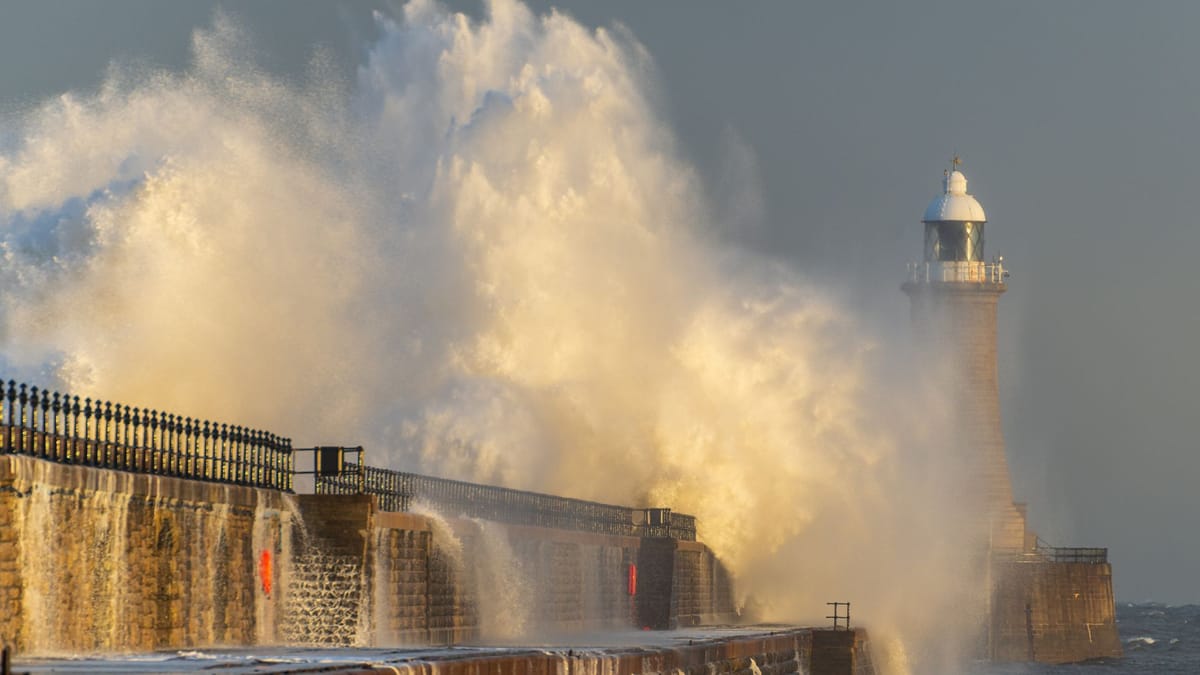
The United Kingdom’s meteorological agencies publish a fresh roster of storm names every September, a practice that blends scientific planning with public participation. The Met Office, working alongside Ireland’s Met Éireann, compiles the list after inviting the public to submit potential names through an online survey. Once the deadline closes, the agencies review the suggestions, filter out unsuitable entries, and slot the approved names into a pre‑determined alphabetical sequence that alternates between male and female names.
The naming system, first introduced on a trial basis in 2015, aims to make severe weather alerts more memorable and to encourage people to take precautionary measures. By assigning a simple, easy‑to‑remember name to a storm, forecasters can convey warnings more clearly across media platforms, social networks, and emergency services. Studies have shown that named storms tend to receive higher levels of public attention than unnamed weather warnings, which can translate into quicker preparations and reduced risk of injury or property damage.
Names are selected from a list that excludes letters such as Q, U, X, Y and Z, which are rarely used as initials for common names. If a storm causes exceptional damage or loss of life, its name is retired from future use to avoid confusion and out of respect for affected communities. The retired name is then replaced with a new entry submitted by the public or chosen by the naming committee.
Beyond raising awareness, the system also facilitates coordination among the UK, Ireland and other European meteorological services that share naming conventions. This collaborative approach ensures that a storm crossing borders retains a single identifier, simplifying communication for both authorities and the public.
Overall, the yearly release of storm names reflects a blend of scientific rigor, community involvement, and public‑safety strategy, reinforcing the Met Office’s commitment to keeping the nation informed and prepared for extreme weather events.