AIADMK chief rebukes Tamil Nadu government over dengue inaction
Palaniswami accuses the TVK-led administration of sluggish response as dengue cases climb across the state.
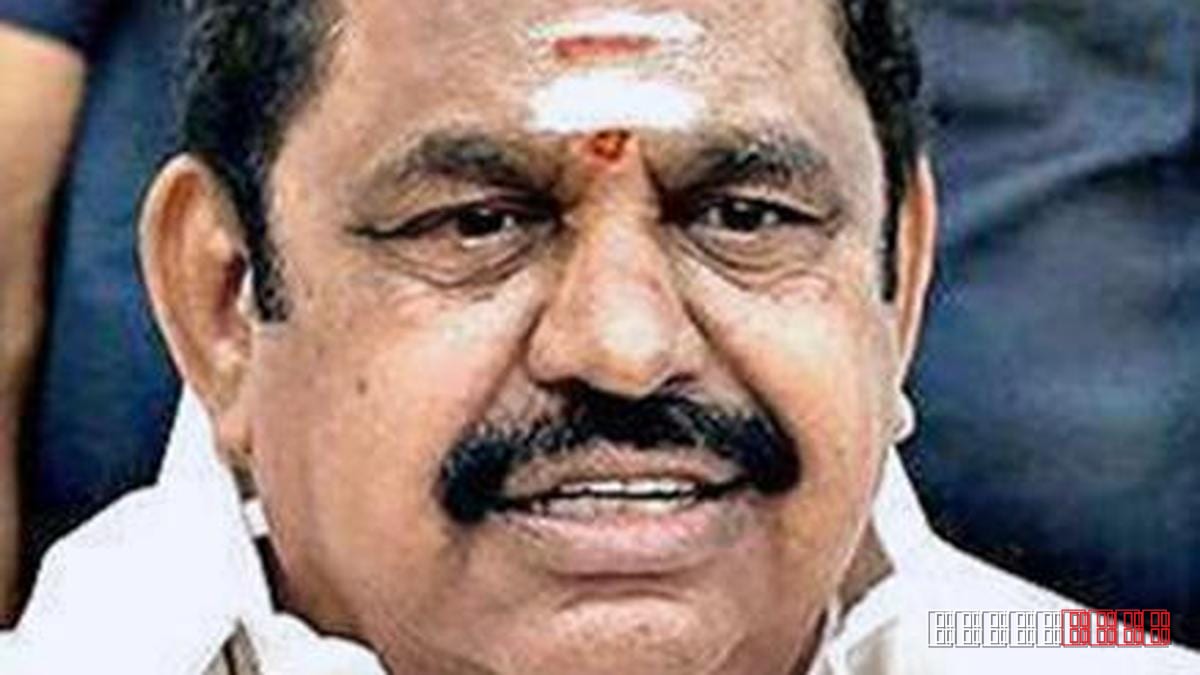
AIADMK leader S. Palaniswami has publicly condemned the Tamil Nadu government for what he describes as a lack of decisive measures to stem the recent rise in dengue infections. In a statement covered by The Hindu, Palaniswami said the administration’s response has been “far from the alacrity shown when a student of Anna University succumbed to scrub‑typhus,” and warned that the current inaction could exacerbate the health crisis.
The state health department has confirmed a steady increase in dengue reports over the past month, with several districts recording a surge in hospital admissions. While exact figures were not disclosed in the source article, local health officials have warned that the outbreak coincides with the monsoon season, a period traditionally associated with higher mosquito breeding rates. The same government, The Hindu noted, moved quickly to investigate and attribute the student’s death to scrub‑typhus, a bacterial infection, prompting immediate containment steps.
Palaniswami’s criticism points to a perceived inconsistency in the government’s public‑health priorities. He argued that the swift attribution of the scrub‑typhus case demonstrated the administration’s capacity to act, yet similar urgency has not been applied to dengue, which continues to spread despite calls for intensified fogging, larvicidal sprays, and community clean‑up drives.
Dengue fever has been a recurring challenge for Tamil Nadu, with major outbreaks recorded in 2015, 2017, and 2022, each prompting large‑scale vector‑control campaigns. The disease is transmitted by Aedes mosquitoes that thrive in stagnant water, making urban sanitation a critical factor. Health experts typically advise early warning systems, public awareness drives, and coordinated municipal actions to reduce breeding sites. When these measures lag, the virus can spread rapidly, leading to higher morbidity and occasional fatalities, especially among children and the elderly.
The political fallout from the current situation could influence the upcoming state elections, where health governance is a key voter concern. Opposition parties may leverage the perceived neglect to rally support, while the ruling coalition faces pressure to demonstrate tangible results. As the monsoon progresses, officials are expected to intensify anti‑mosquito operations, but the effectiveness of these steps will likely be measured against the criticism voiced by Palaniswami and other opposition leaders.
The Hindu reported that the AIADMK leader’s remarks have sparked a broader debate on the state’s preparedness for vector‑borne diseases, underscoring the need for consistent, rapid public‑health responses regardless of the disease in question.
This report is based on original reporting by The Hindu. Read the original source →