Aid Efforts Stretched as Politics and Commerce Shape Humanitarianism
Experts warn that the growing intertwining of aid with strategic interests is putting both workers and vulnerable populations at risk.
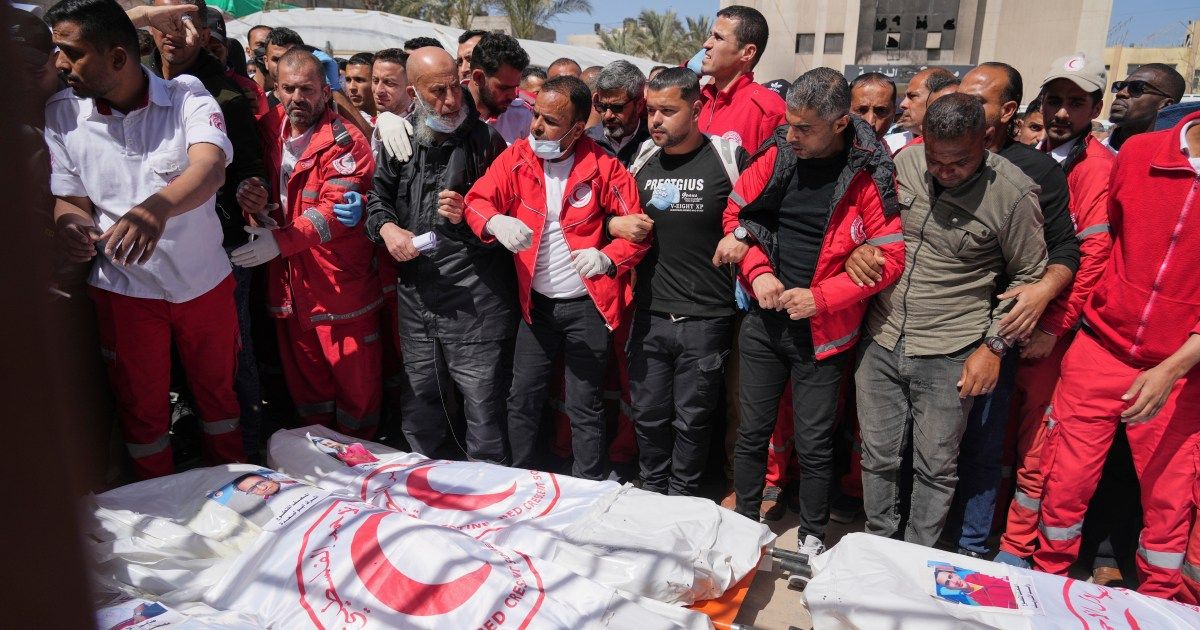
The global humanitarian system is confronting a shift that goes beyond resource shortages. Analysts say the sector is increasingly being used as a diplomatic lever, with aid packages tied to political concessions and commercial deals. This trend, they argue, does not signal a collapse of humanitarianism but rather a compromise of its core principles.
In several conflict zones, donors have begun to attach conditions to funding that reflect their own foreign‑policy goals. Such stipulations can limit the ability of NGOs to operate independently, forcing them to navigate a maze of permissions that may delay or deny assistance to those in need. Critics point out that when aid becomes a bargaining chip, the impartiality that underpins humanitarian action is eroded.
The safety of aid workers is also deteriorating. Reports of attacks on convoys, intimidation of staff, and legal obstacles have risen in recent years. When humanitarian missions are perceived as extensions of state agendas, they become more attractive targets for armed groups that view them as hostile actors. The resulting insecurity hampers the delivery of food, medical care, and shelter to civilians already facing extreme hardship.
Humanitarian organizations are responding by emphasizing transparency and advocating for stricter separation between aid and political objectives. Calls for independent monitoring mechanisms aim to ensure that assistance reaches intended beneficiaries without being diverted for strategic gain. Yet, the balance between securing funding and preserving neutrality remains delicate.
The broader implication is a potential loss of trust among affected communities. If aid is seen as a tool of external powers, local populations may become skeptical of its motives, reducing cooperation and hindering effective distribution. Stakeholders stress that safeguarding the humanitarian ethos is essential not only for the safety of workers but also for the survival of the most vulnerable.
As the international community debates the future of aid, the consensus emerging is clear: protecting the independence of humanitarian action is crucial to prevent further endangerment of both aid personnel and the people they serve.